Zurich's New Social Housing Quotas: How Stricter Planning Rules Are Reshaping the Market
Mandatory affordable-unit policies in Kreis 5 and beyond are forcing developers to rethink projects—and prices elsewhere are climbing faster than ever.
Mandatory affordable-unit policies in Kreis 5 and beyond are forcing developers to rethink projects—and prices elsewhere are climbing faster than ever.
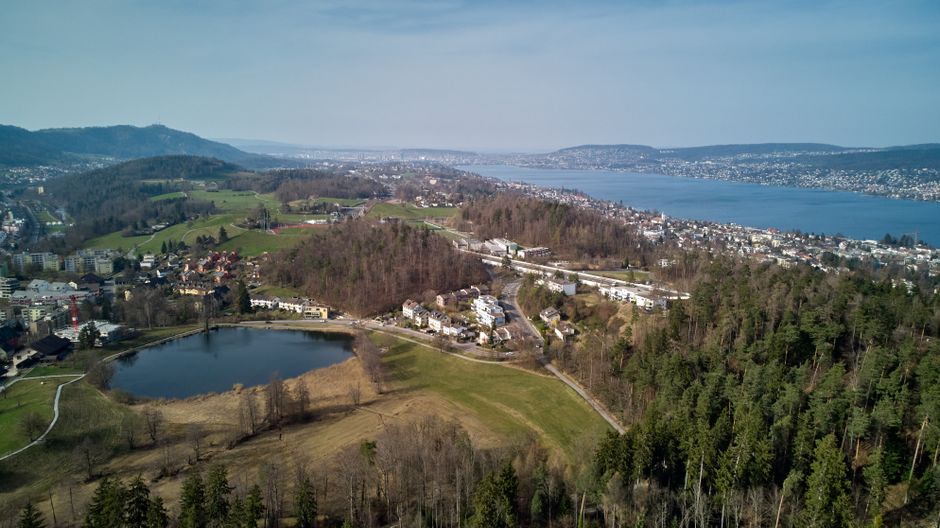
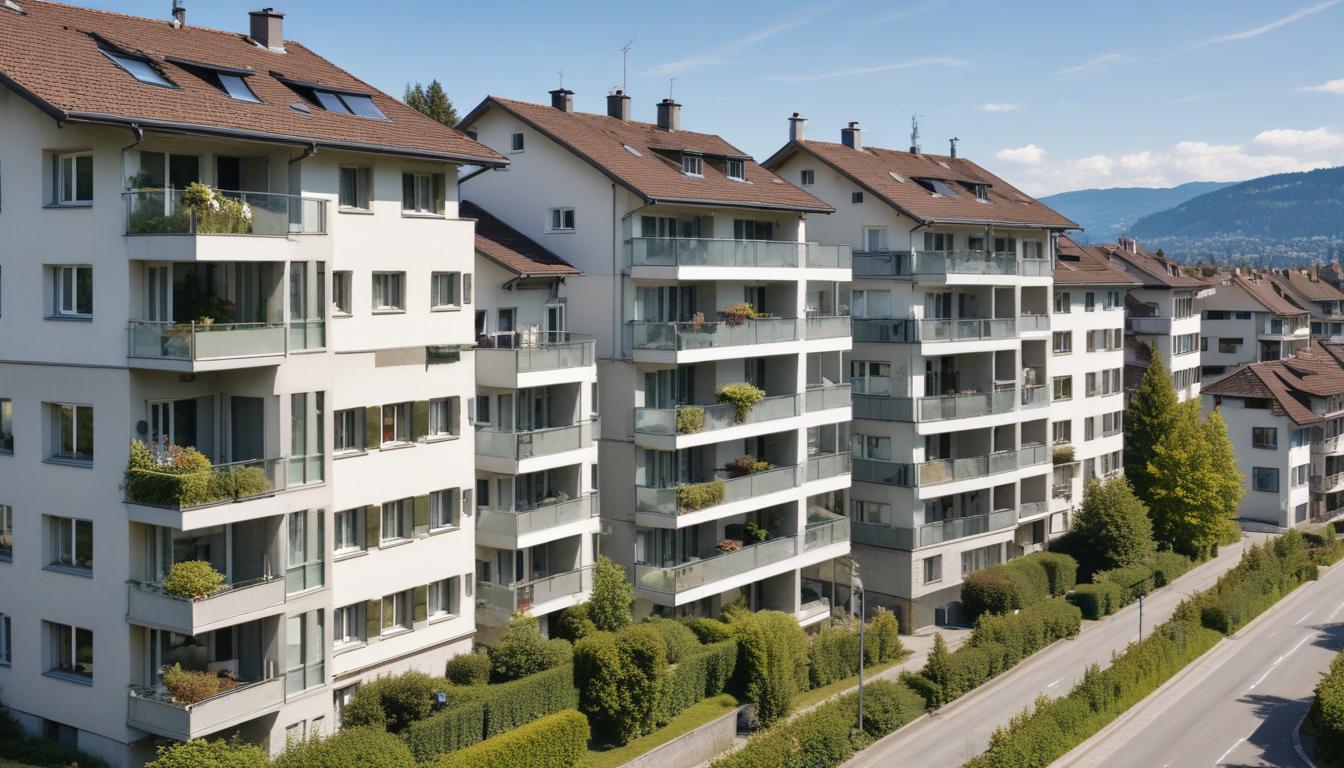
Zurich's planning department has quietly triggered one of the city's most significant property market shifts in a decade. New municipal guidelines requiring 25 percent social housing allocations in developments above 50 units are now reshaping investment patterns across the canton, with measurable ripple effects from Wiedikon to Wollishofen.
The policy, enacted in early 2025, mandates that developers either build affordable units on-site or contribute to the city's housing fund. For projects in central locations like Kreis 5—where average prices hover near CHF 18,000 per square metre—compliance has become a complex financial calculation. A 200-unit residential tower planned for the Europaallee corridor, traditionally a magnet for luxury conversions, now faces an estimated CHF 8–12 million reduction in profit margins. Developers have responded by either abandoning projects, downsizing ambitions, or shifting focus to peripheral neighbourhoods where the quota's impact is less severe.
The unintended consequence is instructive. Properties in Seefeld and Enge—traditionally Switzerland's most exclusive waterfront zones—have seen accelerated price growth as capital seeks unregulated alternatives. Average prices in these neighbourhoods jumped 6.2 percent in the first half of 2026 alone, outpacing the city-wide 3.8 percent increase. Meanwhile, Wipkingen and Altstetten, where developers can more easily absorb quota costs, have attracted fresh investment from institutional housing providers.
The cantonal government's push stems partly from the 'Home for a Home' initiative gaining traction across vulnerable communities. Officials argue that without mandatory social provisions, Zurich risks pricing out essential workers—nurses, teachers, service staff—whose salaries have stagnated relative to property inflation. A recent audit found that 34 percent of Zurich's workforce cannot afford a one-bedroom apartment at current market rates.
Not all developers are pessimistic. Several have embraced the model, recognising that mixed-income projects attract favourable zoning approvals and public support for faster permitting. A proposed mixed-use development on Langstrasse includes 160 units, with 40 permanently affordable through a 60-year ground lease agreement with the Zurich Housing Cooperative.
Real estate analysts remain divided. Some predict the policy will eventually cool the broader market, making entry-level properties more accessible. Others warn that developers will simply redirect capital to regions with lighter regulation—a pattern already visible in Zug and Schwyz, where property prices have risen 8–10 percent this year.
As Zurich attempts to balance livability with investment incentives, one thing is certain: the market is no longer monolithic. Policy, not just location, is now the primary driver of where capital flows.
This article was compiled by AI from the sources linked above and screened before publishing. See our editorial standards.
How does this story make you feel?
Spread the word
About this article
Published by The Daily Zurich
Daily brief
Free, in your inbox before 7am. Weekdays.
More in Property