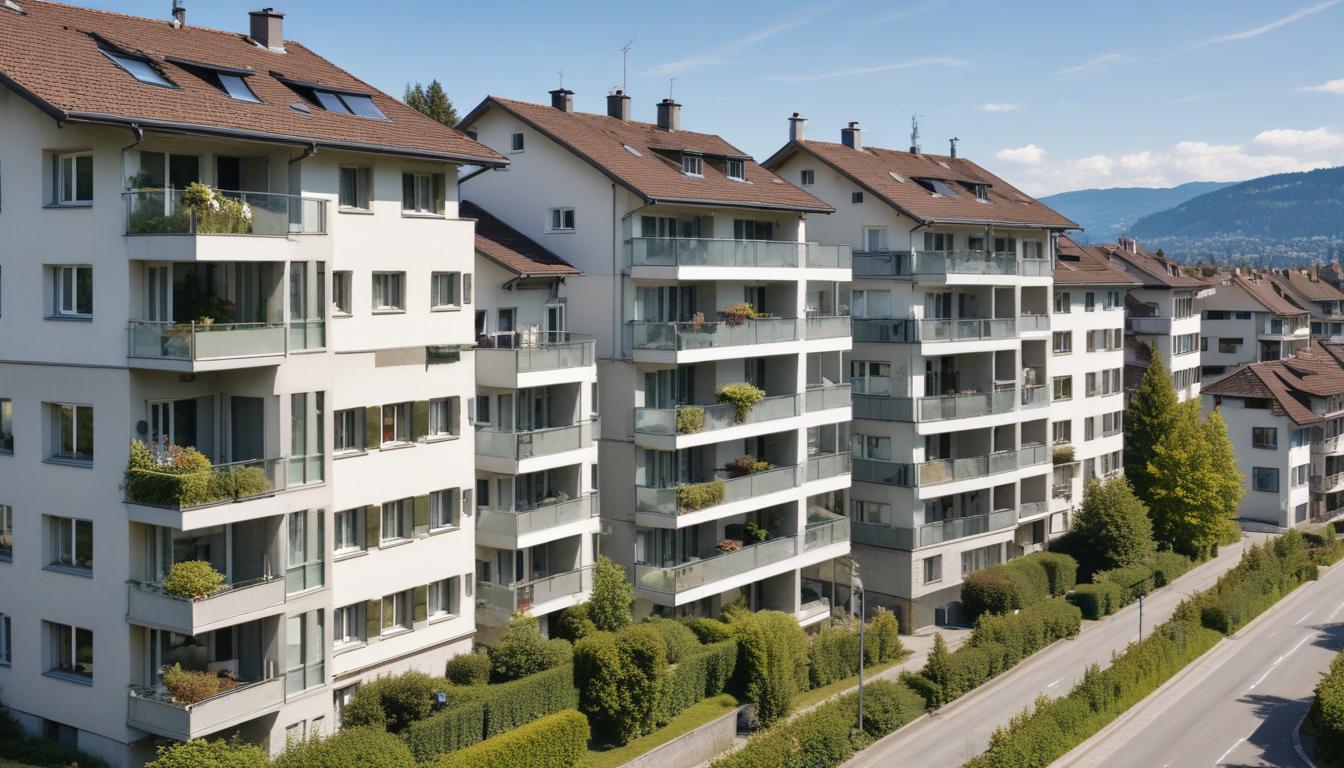
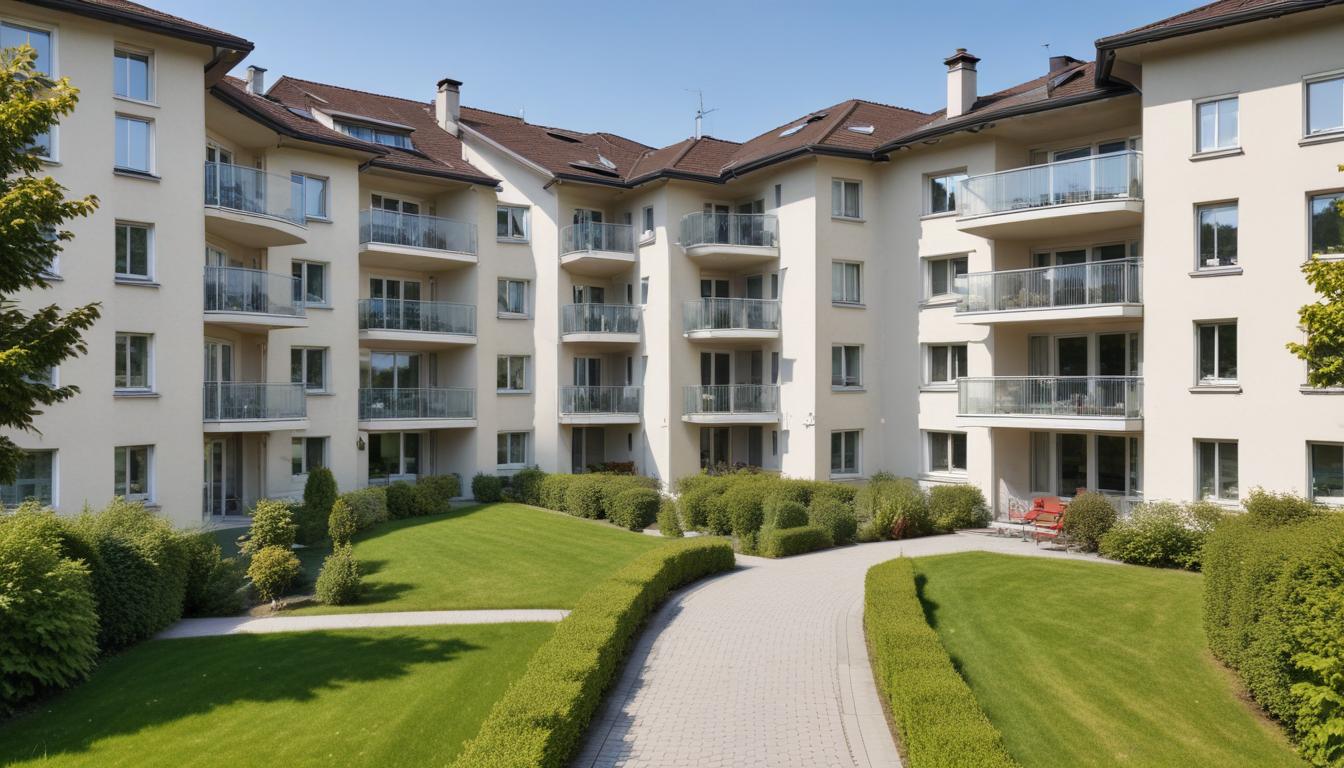
Zurich's first-home buyer faces a paradox: cantonal grants remain generous, yet property yields tell a sobering story. With average prices hovering near CHF 15,000 per square metre, the mathematics of ownership—especially for investors masquerading as occupiers—demand closer scrutiny.
The Stadt Zürich's Wohneigentumsförderung scheme still offers up to CHF 50,000 for qualifying purchasers, while the canton tops this with additional assistance tied to income thresholds. Yet these sweeteners mask a fundamental tension: gross yields across prime postcodes rarely exceed 2.5–3 percent annually. In Seefeld or along the Enge waterfront, where penthouses command CHF 2.2–2.8 million, rental income struggles to cover mortgage servicing and maintenance reserves.
The picture shifts markedly in transitional zones. Kreis 5—particularly around Geroldstrasse and towards Wipkingen—has emerged as the data-driven buyer's territory. Modest two-bedroom units trading at CHF 1.1–1.4 million generate gross yields of 3–3.8 percent, materially higher than lakeside equivalents. For first-timers using Pillar 3a withdrawals (available to those purchasing primary residences) alongside cantonal grants, these neighbourhoods represent genuine equity-building potential rather than pure lifestyle plays.
The numbers bear this out. Cantonal data from 2024–2025 shows median first-time buyer portfolios cluster between CHF 1.5–2.2 million; most leverage 60–70 percent mortgages. At current rates near 1.4–1.65 percent for fixed five-year terms, debt servicing absorbs roughly 25–32 percent of household income. Grants effectively reduce this burden by 2–3 percentage points over the mortgage term—material, but not transformative.
What separates successful entry-level strategies from underwater positions is ruthless neighbourhood selection. Altstetten and Schwamendingen, often dismissed as peripheral, deliver 3.5–4.2 percent gross yields on CHF 950,000–1.2 million purchases—sufficient to weather rate rises and major repairs without forced sales. Conversely, prestige zones bet on capital appreciation; recent transaction data suggests annual price growth of 1.8–2.4 percent across Zurich, well below historical averages.
First-time buyers should treat grants as income supplements, not permission to overpay. The KfW-equivalent Swiss mortgage market remains robust, but yields discipline ambition. Kreis 5 and emerging hotspots along the Limmat corridor offer the rare combination of grant eligibility, reasonable entry prices, and returns that outlast the initial subsidy window. In a market where every CHF 100,000 shifts affordability calculations decisively, yield analysis—not neighbourhood prestige—should drive the decision.
This article was compiled by AI from the sources linked above and screened before publishing. See our editorial standards.