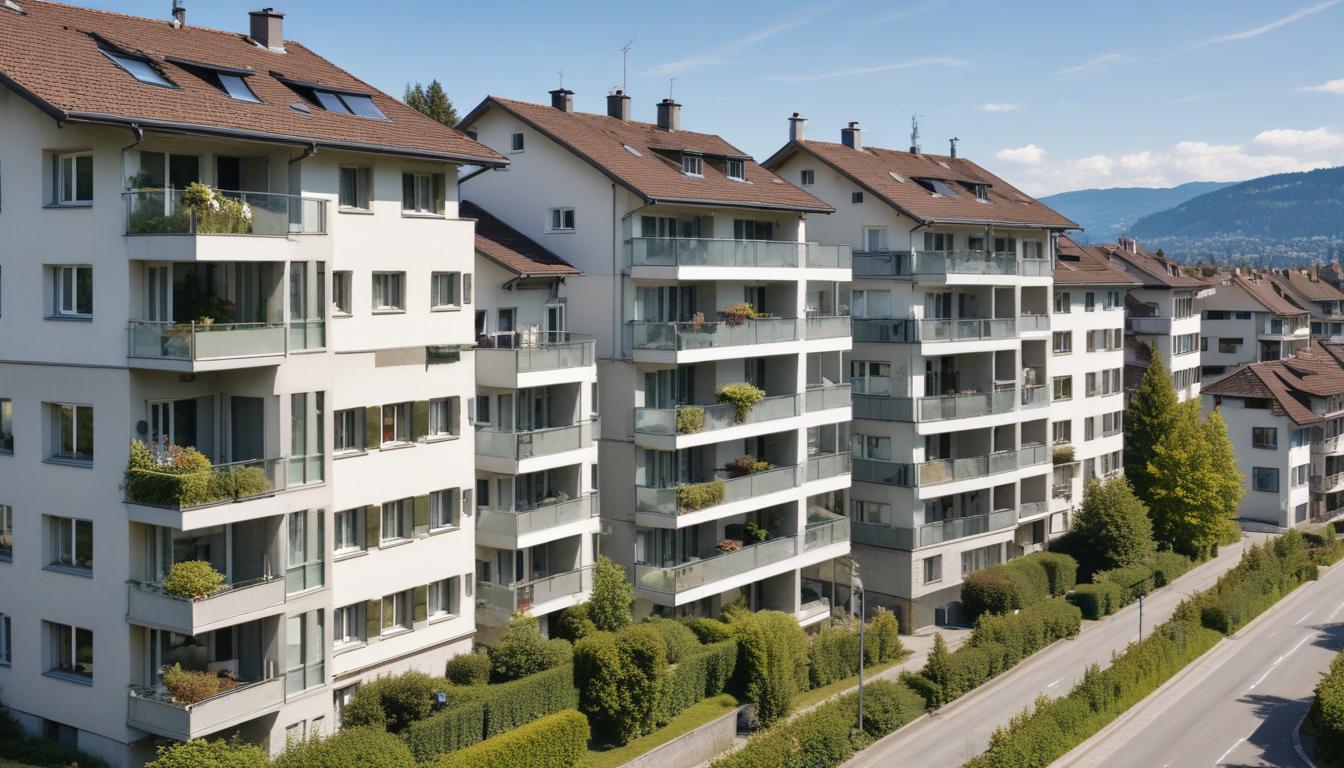
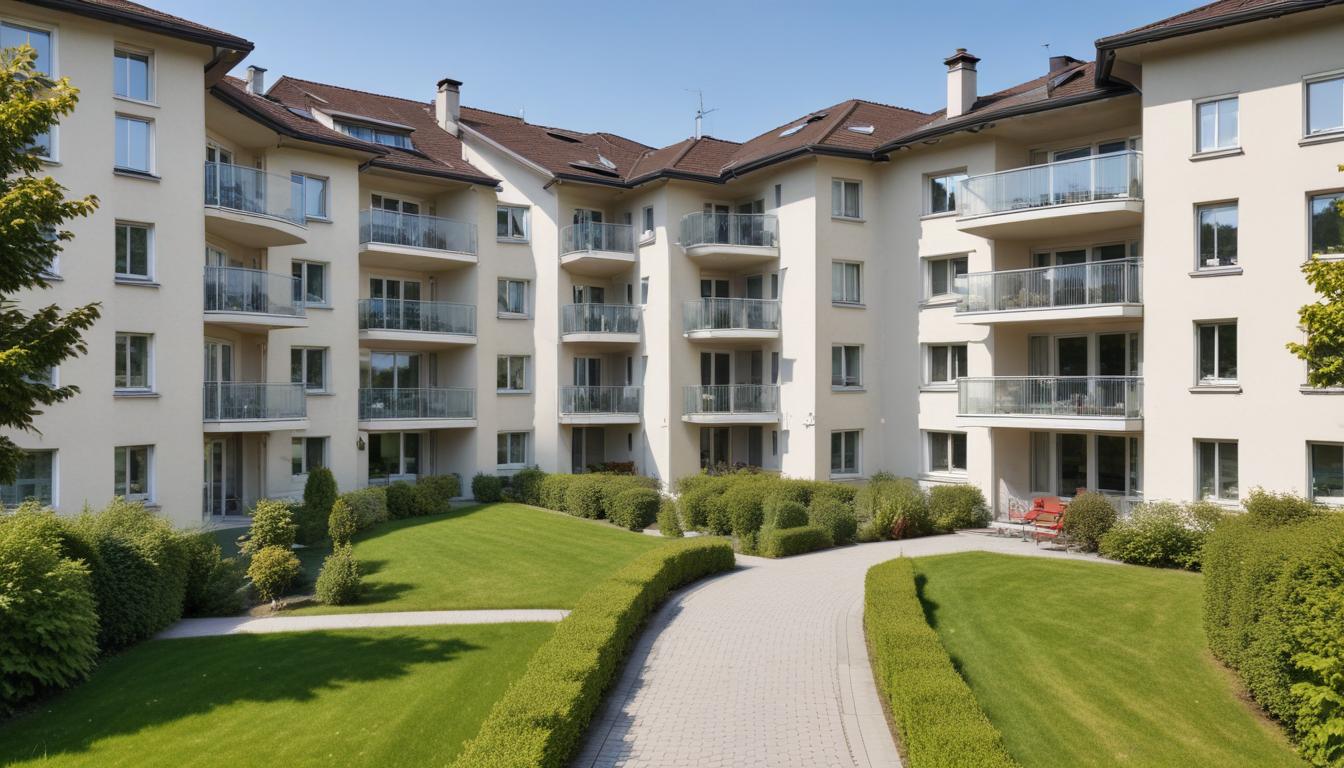
Luxury rentals at breaking point: how Zurich's prestige market is squeezing both sides
As high-end properties command record rents, landlords face regulatory headwinds while tenants navigate an increasingly hostile search for upmarket housing.
As high-end properties command record rents, landlords face regulatory headwinds while tenants navigate an increasingly hostile search for upmarket housing.
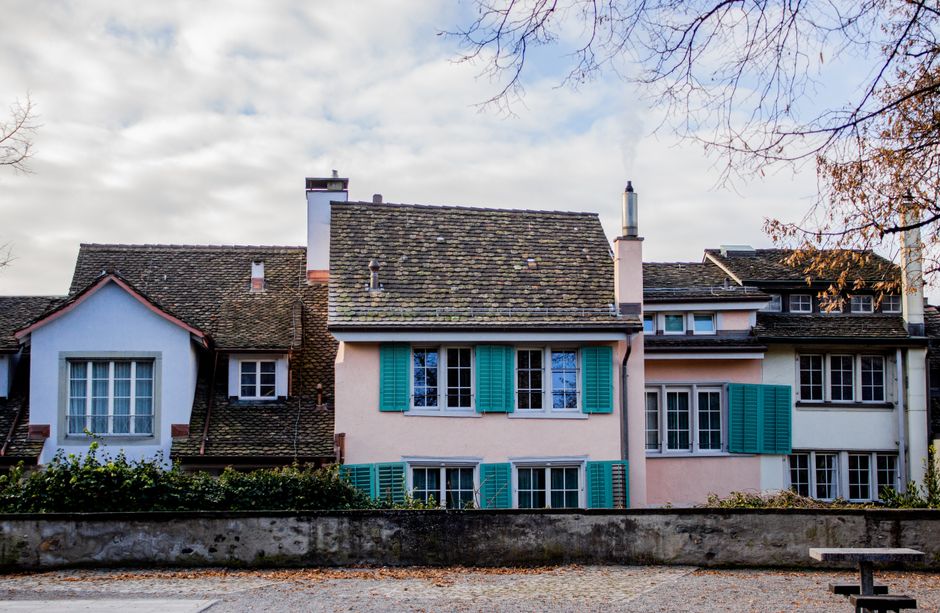
The penthouse overlooking the Zürichsee from Seefeld commands CHF 18,000 monthly. The modernist villa in Fluntern, perched above the Kunsthaus, asks CHF 22,000. Yet despite these eye-watering figures, landlords of Zurich's luxury rental stock report mounting frustration—not triumph.
Switzerland's rental market has long favoured property owners, but 2026 tells a different story. Vacancy rates in prestige segments have edged upward while regulatory pressure intensifies, forcing landlords into territory many haven't navigated in decades. Simultaneously, affluent tenants—expats, executives, and wealthy local families seeking temporary or semi-permanent high-end housing—face an unprecedented paradox: abundance of choice coupled with genuine scarcity.
The tension crystallises on the ground. Agencies specialising in luxury rentals along Bahnhofstrasse and around the Botanical Garden report a 34-month average holding period for premium properties, up from 18 months three years ago. Landlords are caught between rising management costs, stricter tenant-vetting requirements, and the reality that the international tenant pool—traditionally Zurich's rental market backbone—has become more mobile and selective.
Regulatory frameworks compound the challenge. Cantonal restrictions on rent increases, nominally capped at inflation adjustments, have eroded landlord margins on older high-value properties requiring renovation. A beautifully maintained 1960s Seefeld apartment averaging CHF 16,000 monthly cannot easily justify the CHF 400,000 modernisation its owner deems necessary without triggering tenant resistance or cantonal scrutiny.
For tenants, the paradox cuts deeper. While properties flood the market in Kreis 5 and Wipkingen—now considered aspirational alternatives to traditional hotspots—genuinely premium addresses in Enge, Fluntern, and along the lake remain gatekept. Landlords increasingly demand extensive financial documentation, corporate sponsorship letters, and reference checks that would challenge even established residents. One major relocation consultancy notes that 62% of incoming executives now face deposit demands exceeding three months' rent—standard five years ago, but increasingly questioned under evolving tenant-protection legislation.
The structural mismatch suggests neither party is optimally served. Landlords, particularly older owners unfamiliar with modern property management, increasingly exit the rental market entirely, converting prestige apartments into owner-occupied residences or corporate housing pools. Tenants meanwhile fragment into competing cohorts: transient international workers accepting premium rates; established locals seeking stability; and institutional investors treating luxury rentals as yield plays rather than homes.
Whether this signals market correction or structural shift remains unclear. What's certain: Zurich's luxury rental ecosystem, long characterised by landlord advantage and tenant acceptance, has entered uncharted terrain.
This article was compiled by AI from the sources linked above and screened before publishing. See our editorial standards.
How does this story make you feel?
Spread the word
About this article
Published by The Daily Zurich
Daily brief
Free, in your inbox before 7am. Weekdays.
More in Property