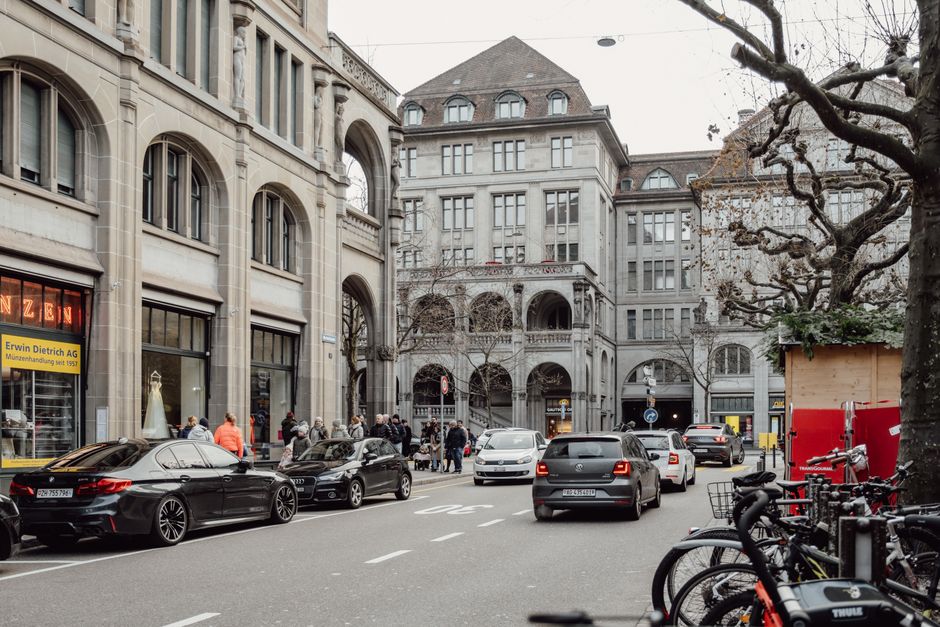
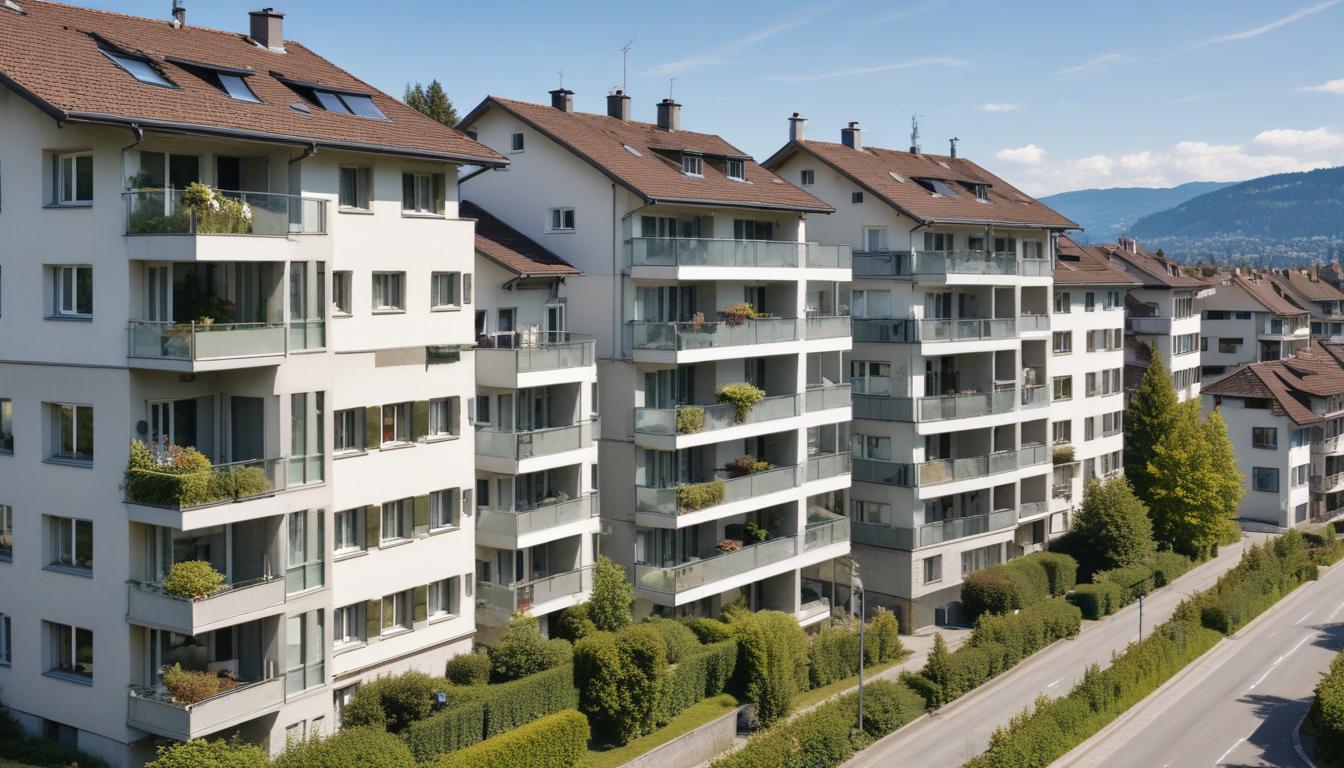
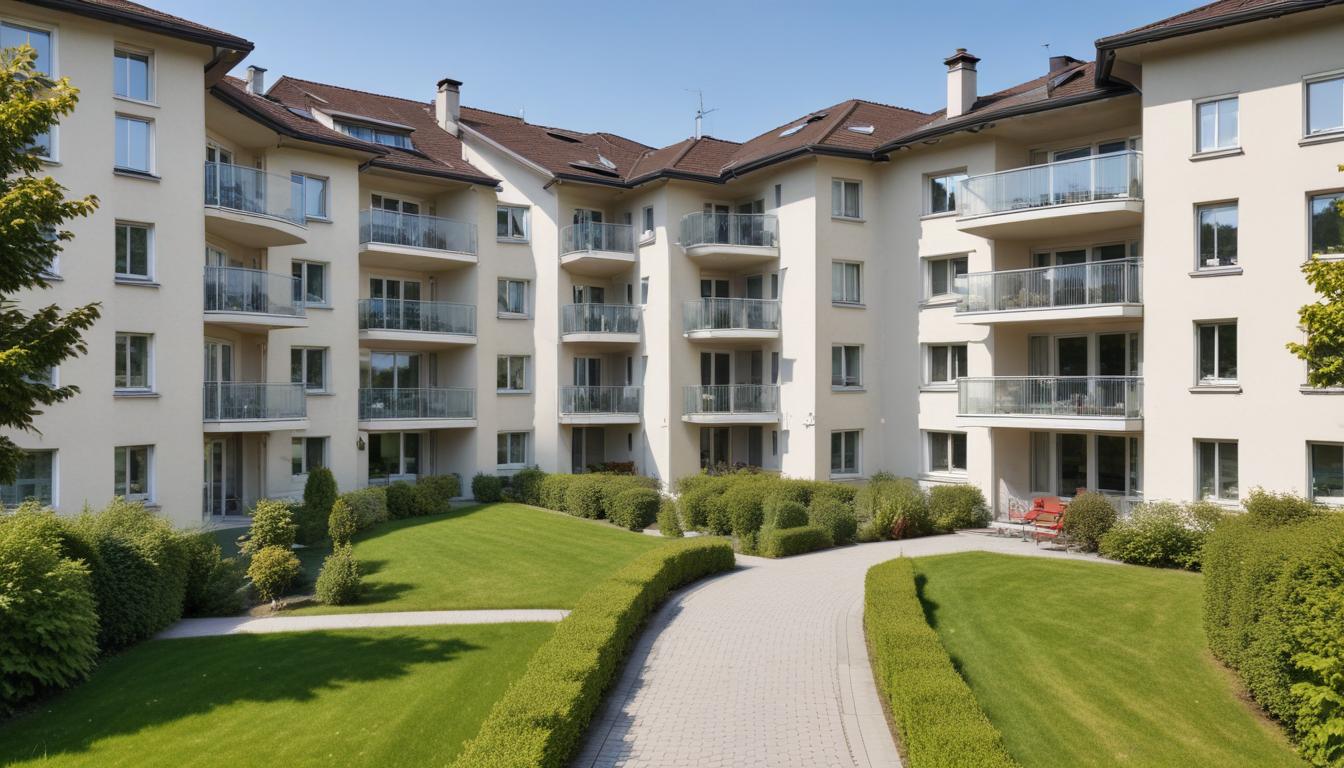
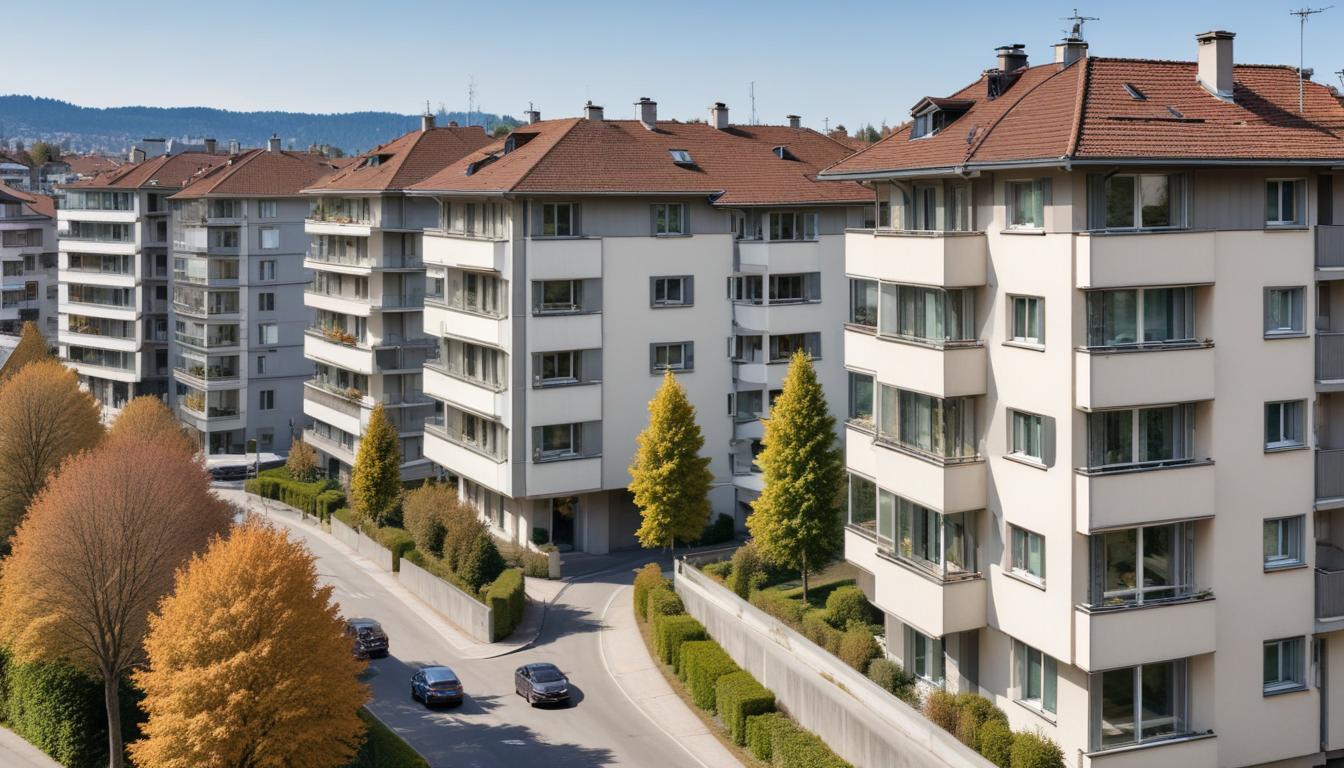
The rental market in Zurich has entered a new phase of tension. With vacancy rates hovering near historic lows across premium districts like Seefeld and Enge, tenants face an increasingly brutal search process, while landlords navigate their own pressures in ways that extend far beyond simple rent-setting.
The numbers tell a stark story. Average rents in sought-after waterfront neighbourhoods have climbed steadily, with monthly rates for a modest two-bedroom now regularly exceeding CHF 3,500–a figure that puts homeownership aspirations further out of reach for many young professionals. This hasn't gone unnoticed by advocacy groups focused on affordable housing. The recent 'Home for a Home' initiative targeting vulnerable families underscores a growing concern that Zurich's prosperity is creating a two-tier rental system.
In Kreis 5 and Wipkingen, where gentrification has accelerated over the past five years, the impact is especially visible. Landlords increasingly demand extensive references, proof of income multiples, and deposits that strain younger renters' resources. Meanwhile, property owners themselves face mounting pressures: insurance costs continue climbing, while rent control regulations in several cantons limit their flexibility to adjust prices in line with inflation and maintenance expenses.
The tension manifests in unexpected ways. Some landlords in central districts have shifted strategy entirely, converting rental units into owner-occupied apartments or short-term tourist lets—moves that tighten supply further for long-term renters. Others report difficulty finding tenants willing to commit to longer leases, creating turnover costs that compress margins.
For tenants, the psychological toll is real. The Wiedikon and Aussersihl neighbourhoods, traditionally more accessible, are experiencing rapid price acceleration as renters pushed out from premium areas seek alternatives. Competition for showings has intensified; it's not uncommon for landlords to receive dozens of applications within hours of posting a listing.
Yet there are countervailing forces worth monitoring. The completion of new residential developments along the Limmat corridor and continued investment in transit infrastructure to outer zones like Schwamendingen may gradually ease pressure. Additionally, some landlords and tenant associations have begun collaborative dialogue through organisations like the Hauseigentümerverband Zürich and Mieterverband, seeking sustainable middle ground.
What's clear is that Zurich's rental market has transcended simple economics. It's become a referendum on the city's character—whether prosperity remains broadly accessible or becomes the preserve of a narrowing demographic. The coming months will reveal whether current pressures prompt policy adjustment or further entrench the divide.
This article was compiled by AI from the sources linked above and screened before publishing. See our editorial standards.