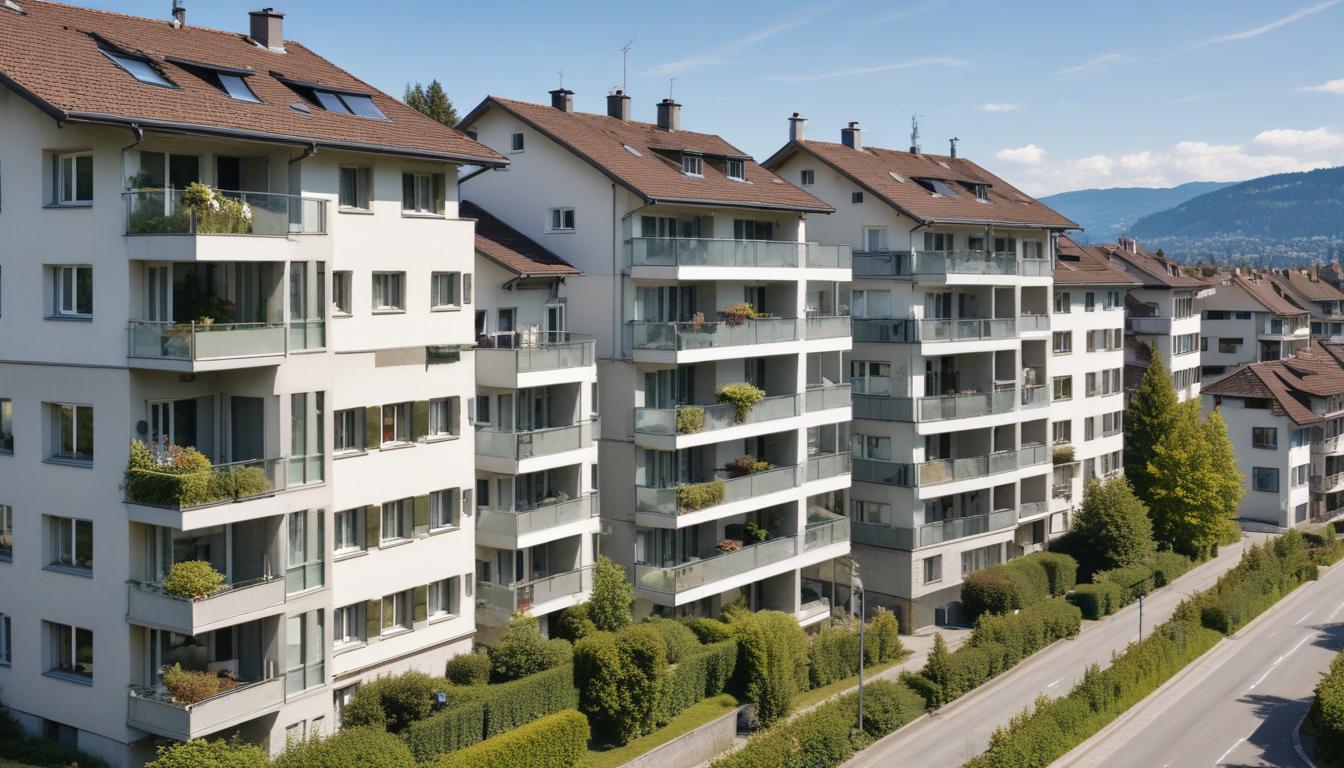
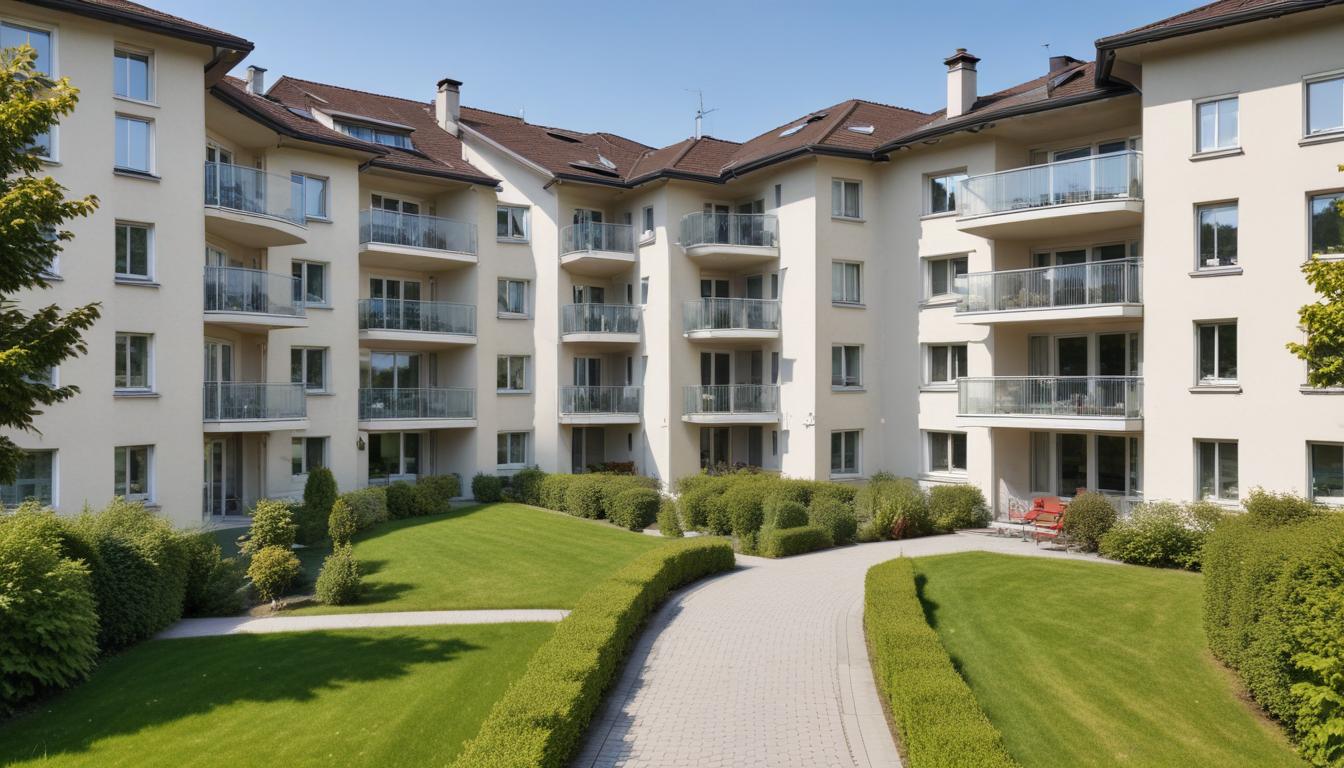
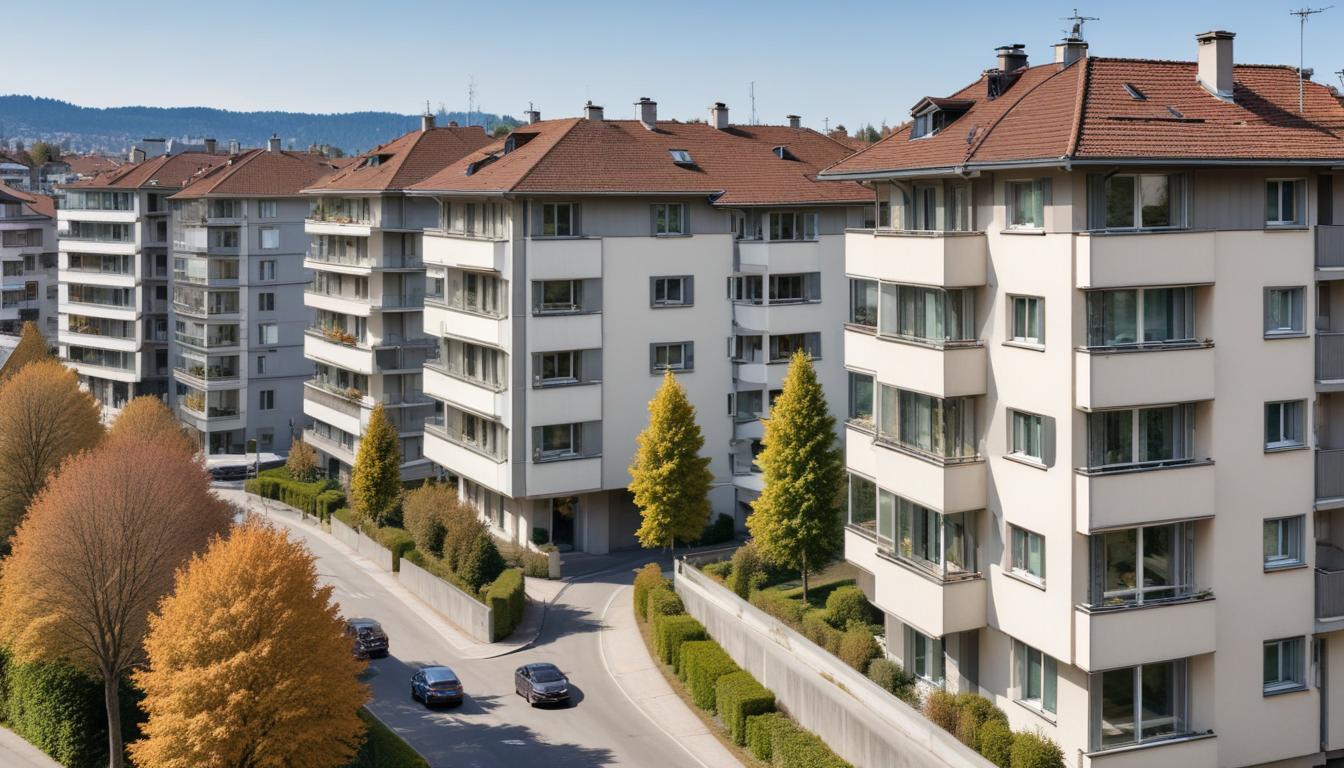
New Zurich developments reshape rental market power dynamics between tenants and landlords
As construction accelerates across the city, landlords face rising vacancy risks while renters gain negotiating leverage for the first time in years.
As construction accelerates across the city, landlords face rising vacancy risks while renters gain negotiating leverage for the first time in years.
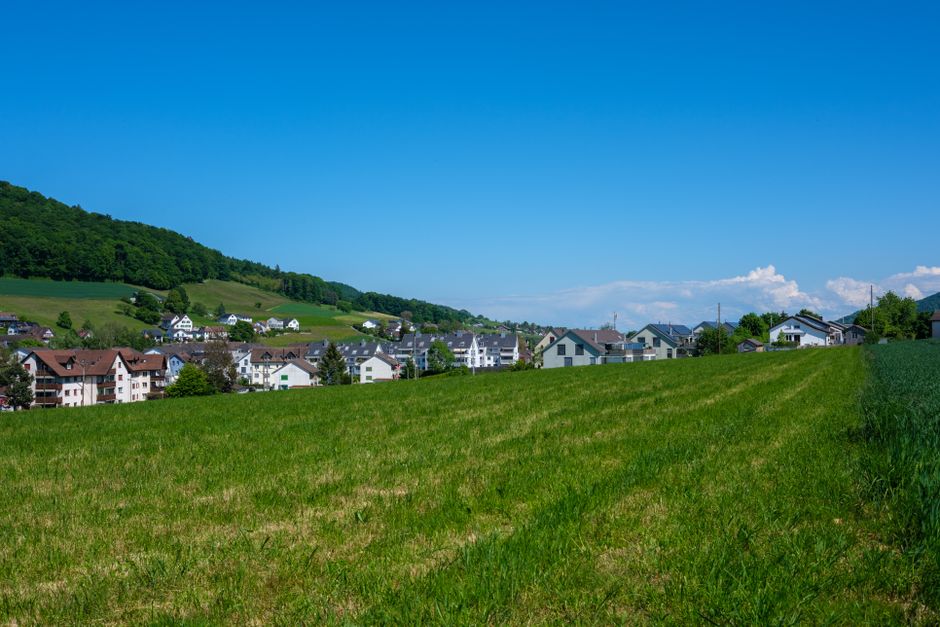
The construction cranes dotting Zurich's skyline tell a familiar story: new supply is coming. But beneath the headlines about architectural innovation and urban renewal, a quieter shift is reshaping the rental market's balance of power in ways that ripple from Wiedikon to Altstetten.
Over the past eighteen months, major residential projects have broken ground across the city. The Europaallee development near the Hauptbahnhof continues adding hundreds of apartments, while smaller complexes are rising in Kreis 5's traditionally tight Wipkingen neighbourhood and along the Limmat in Aussersihl. Meanwhile, the Seefeld-Enge waterfront—traditionally reserved for ownership properties commanding CHF 18,000–22,000 per square metre—is seeing new rental inventory that would have been unthinkable five years ago.
The implications are stark. For decades, Zurich's rental market has operated as a landlord's game. With vacancy rates historically hovering below 1.5 per cent, tenants faced bidding wars for modest two-bedroom flats in Wollishofen, and landlords held absolute power over terms, renovations, and rent increases. The Swiss Tenants' Union consistently reported that securing housing required submitting applications to dozens of listings.
That equilibrium is shifting. Recent data suggests vacancy rates in central Zurich have climbed to 2.1 per cent—modest by most standards, but structurally significant here. In Wipkingen and Aussersihl, where younger professionals have increasingly clustered, the rate tops 2.8 per cent. For the first time in a generation, renters are receiving counteroffers and lease modifications.
Landlords, meanwhile, confront an unfamiliar problem: pipeline risk. A property manager overseeing a 1970s building on Bellerivestrasse now competes with gleaming new stock offering smart-home systems and co-working spaces. Traditional units renting for CHF 2,200 monthly now sit vacant for six to eight weeks—previously unimaginable. Some are responding with modest rent reductions or improved maintenance; others are accelerating renovation cycles to command premium pricing.
The construction pipeline suggests this won't reverse quickly. Zoning approvals in Kreis 6 and Hongg remain robust, and the city's housing targets assume continued density increases. Yet neither extreme—landlord dominance nor tenant advantage—appears sustainable. Instead, Zurich's rental market may be normalising toward something closer to a balanced negotiation.
For tenants, the window to secure better terms may be temporary. For landlords, the message is clear: complacency carries costs. In Zurich's evolving property landscape, even small shifts in supply have outsized consequences.
This article was compiled by AI from the sources linked above and screened before publishing. See our editorial standards.
How does this story make you feel?
Spread the word
About this article
Published by The Daily Zurich
Daily brief
Free, in your inbox before 7am. Weekdays.
More in Property