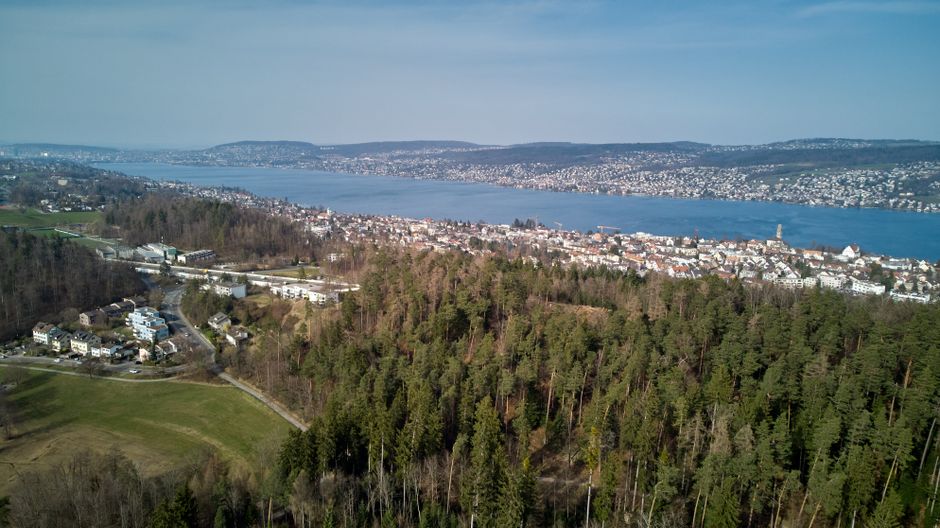
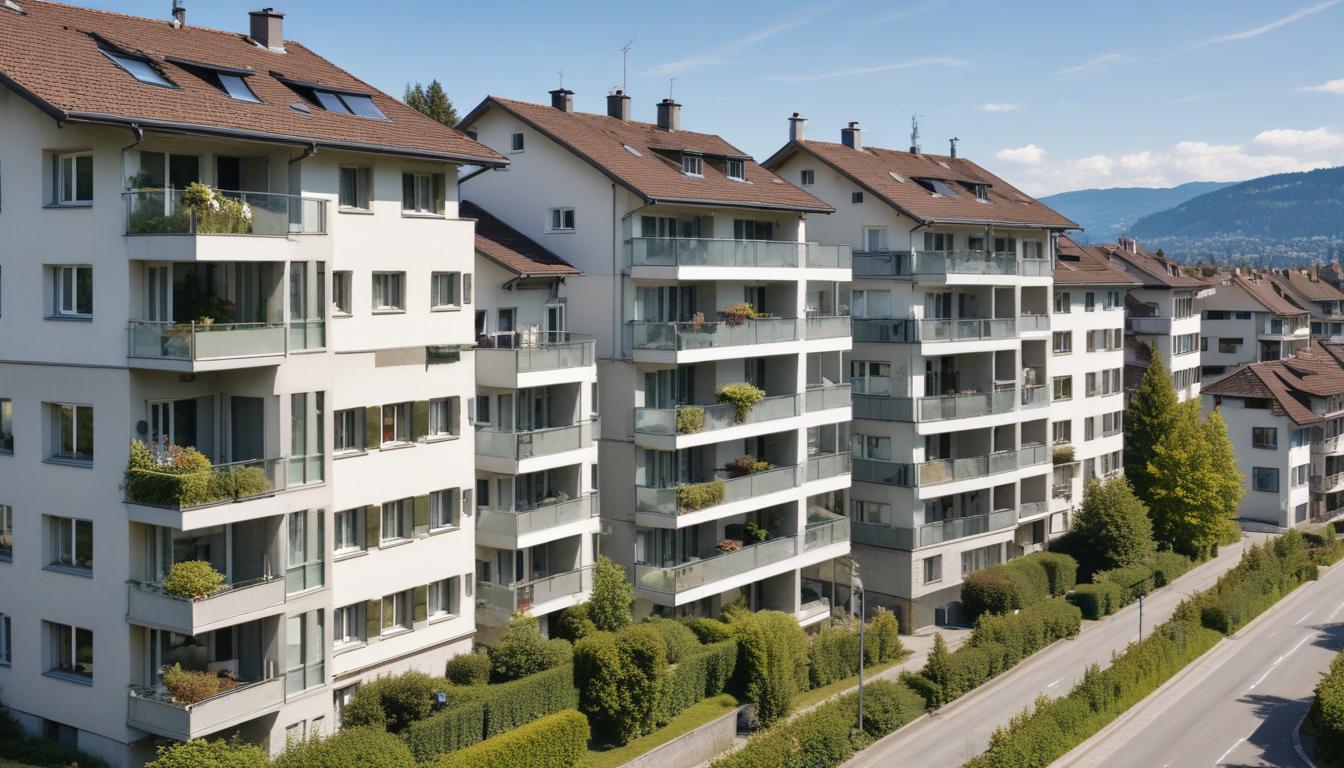
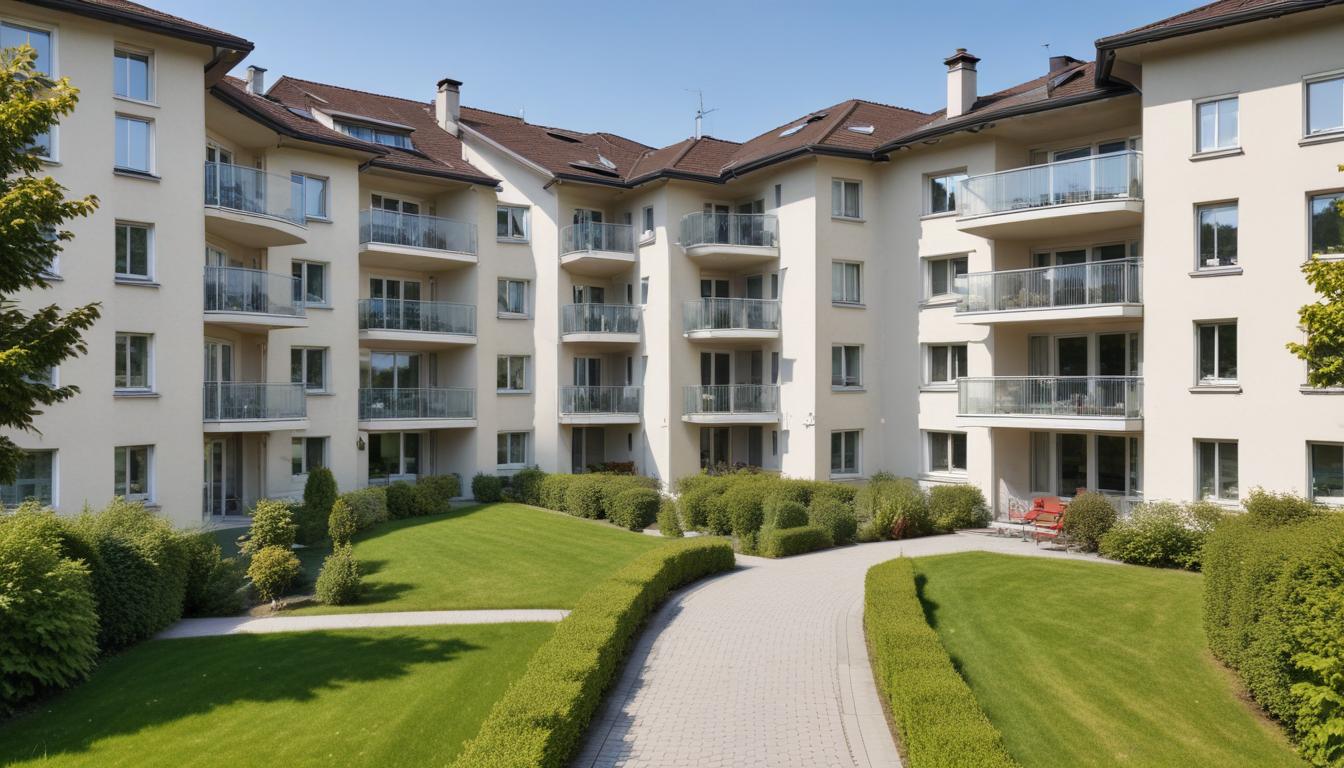
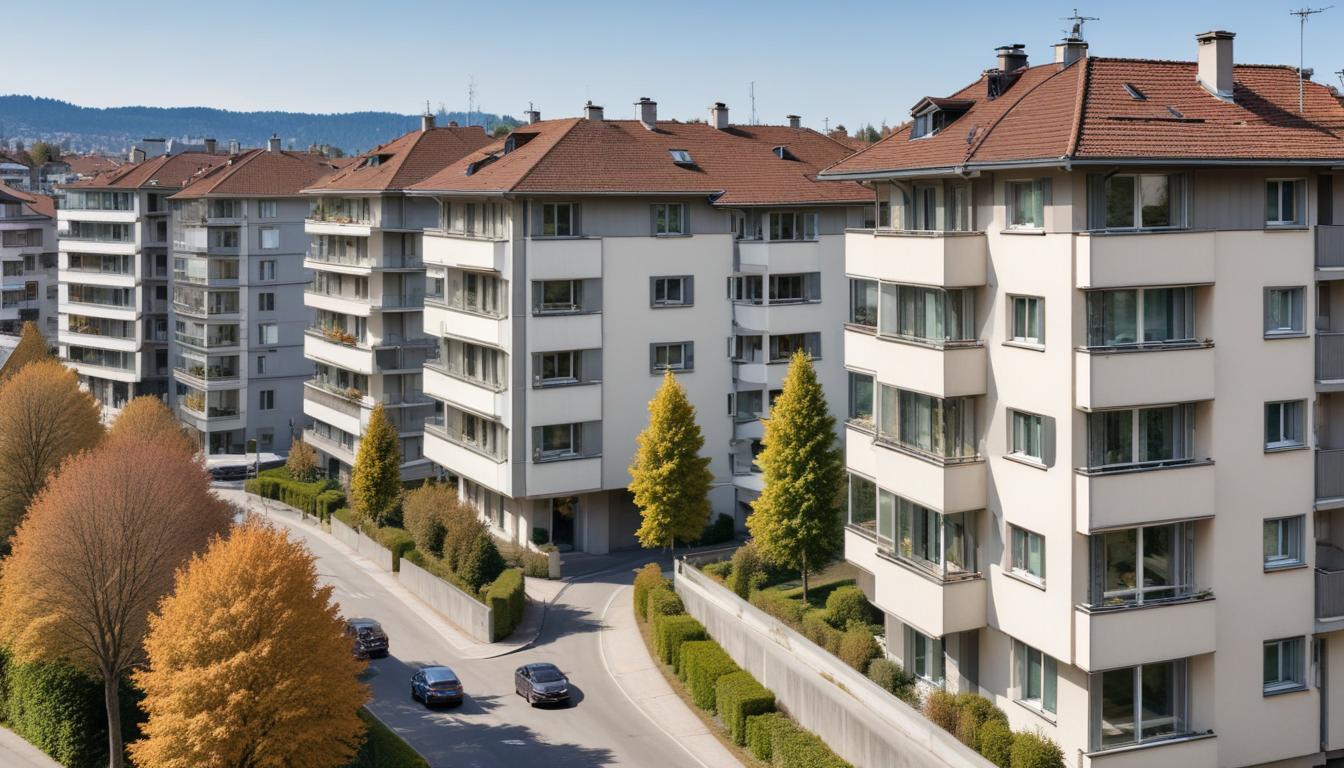
For years, Zurich's investment conversation has orbited the same familiar neighbourhoods: Seefeld's lakefront penthouses, Enge's tree-lined prestige addresses, the perpetual buzz of Kreis 5's creative renaissance. But savvy property investors are increasingly looking west—to Altstetten, where a confluence of urban development, transport connectivity, and relatively modest entry prices is reshaping the investment calculus for Zurich's rental market.
Altstetten's emergence reflects a fundamental shift in how Zurich allocates capital. While citywide average prices hover around CHF 15,000 per square metre, Altstetten still trades at roughly CHF 11,000–12,500 per sqm—a meaningful spread that translates to stronger gross yields for landlords. A modest two-bedroom apartment near Altstetten Station, renting for CHF 2,400–2,700 monthly, suddenly pencils out to 5.2–6.1% gross yield; compare that to Seefeld's compressed returns and the appeal becomes clear.
The neighbourhood's infrastructure story underpins the optimism. The completion of the Europaallee mixed-use district—anchored by major employers and residential towers—has triggered genuine demographic growth. The Sihltal-Zürichberg railway line, recently upgraded, knits Altstetten into Zurich's commuter network more tightly. Bus routes converging on Altstetten Station and the nearby Badenerstrasse corridor have intensified. For tenants, this means less time commuting; for landlords, it means deeper tenant demand and lower vacancy risk.
Commercial revitalisation matters too. The Schiffbau cultural precinct, once a marginal industrial zone, now draws weekend crowds. The Badenerstrasse spine—historically overlooked—is hosting new restaurants, galleries, and co-working spaces. Young professionals, particularly those priced out of Kreis 5 or unwilling to endure Seefeld's premium, are increasingly anchoring their lives here.
Property managers and investment advisors working the market report steady enquiry for both buy-to-let and owner-occupied apartments. Local estate agents cite reduced days-on-market compared to three years ago, signalling faster capital appreciation alongside steady rental income.
The catch: Altstetten remains less glamorous than established blue-chip neighbourhoods, which partly explains the valuation gap. That psychological discount, however, is precisely why yield-focused investors are paying attention. As Zurich's housing scarcity deepens and young renters adapt their neighbourhood expectations, Altstetten's combination of accessibility, affordability, and genuine urban improvement is proving irresistible to landlords seeking balanced returns rather than speculative capital gains.
For investors tired of chasing diminishing yields in saturated postcodes, Altstetten's moment appears genuine.
This article was compiled by AI from the sources linked above and screened before publishing. See our editorial standards.