Zurich rental yields under pressure: What's really ...
With average square-metre costs hovering near CHF 15,000, traditional buy-to-let returns are shrinking—but new opportunities are emerging in unexpected corners of the city.
With average square-metre costs hovering near CHF 15,000, traditional buy-to-let returns are shrinking—but new opportunities are emerging in unexpected corners of the city.
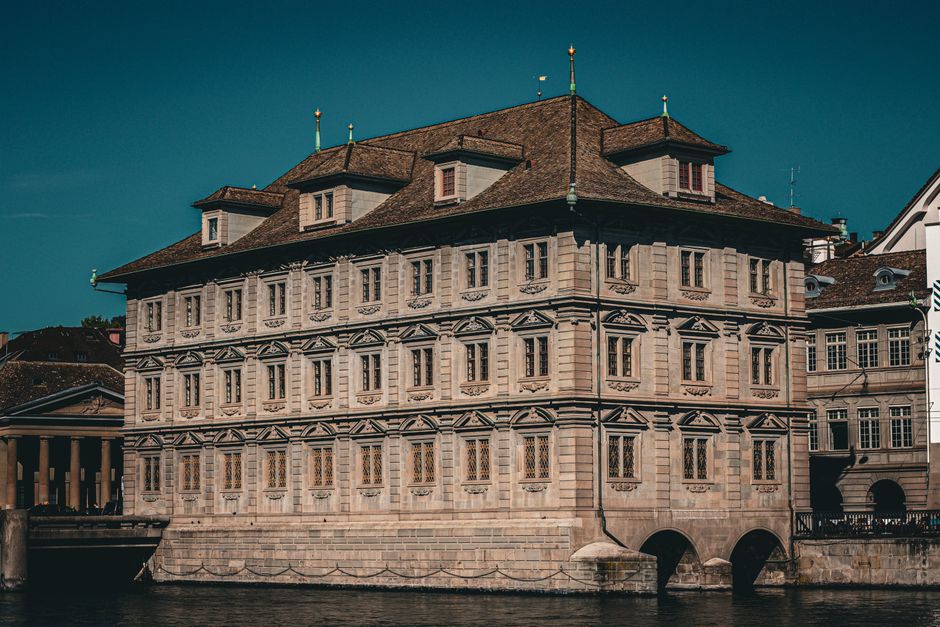
Zurich's investment property market has reached an inflection point. While headline prices continue their relentless climb, rental yields have compressed to levels that would have alarmed landlords five years ago. Understanding what's driving this divergence is critical for anyone considering a property investment in Switzerland's most expensive canton.
The mechanics are straightforward. Average prices across Zurich now sit at CHF 15,000 per square metre, with premium waterfront properties in Seefeld and Enge commanding significantly more. Simultaneously, rental growth has stalled. A one-bedroom apartment in Kreis 1 might rent for CHF 2,200–2,400 monthly, delivering yields of just 1.5–1.8 percent annually—barely above inflation and well below historical norms of 2.5–3 percent.
Several factors explain this squeeze. Interest rate resilience from the Swiss National Bank has kept mortgage costs elevated, pricing in risk premiums that tenants cannot absorb. Foreign investor demand—particularly from wealth management clients seeking safe-haven assets—continues to bid up purchase prices without corresponding rental uplift. Meanwhile, strict rent control regulations mean landlords cannot quickly pass costs to tenants, creating a structural mismatch.
The neighbourhoods tell a revealing story. Seefeld remains a trophy asset class, but yields there have fallen below 1.2 percent. By contrast, emerging areas like Wipkingen and parts of Kreis 5 are showing relative resilience, with yields closer to 2 percent, though renovation risk is higher. The Altstetten and Aussersihl districts offer the strongest returns, but require careful tenant selection and active management.
For investors, the implications are clear. Pure cash-flow plays are increasingly difficult to justify. Instead, successful landlords are now targeting three other drivers: capital appreciation in gentrifying neighbourhoods; value-add through renovation and repositioning; and leveraging mortgage terms locked in before recent rate rises. The days of passive investment in standard apartment portfolios are ending.
A practical note: prospective investors should scrutinise local regulations through the Zürich Mieterverband (tenants' union) lens. Rent indexing follows a published formula, limiting upside capture. Vacancy rates remain low at 0.5–1 percent, protecting baseline income, but this also means poor tenant selection is costly.
The market hasn't collapsed—Zurich remains flight-capital desirable. But yield-focused buyers need to think like strategists, not passive collectors. Prices may keep rising, but rental returns won't follow at the same pace. The winners in 2026 are those willing to take on execution risk or accept lower immediate yields for longer-term appreciation.
This article was compiled by AI from the sources linked above and screened before publishing. See our editorial standards.
How does this story make you feel?
Spread the word
About this article
Published by The Daily Zurich
Daily brief
Free, in your inbox before 7am. Weekdays.
More in Property