Tram Extension to Altstetten Sparks Fresh Wave of ...
As Zurich's newest transit corridor takes shape, property values in previously overlooked districts are climbing faster than the city's traditional lakeside premium zones.
As Zurich's newest transit corridor takes shape, property values in previously overlooked districts are climbing faster than the city's traditional lakeside premium zones.
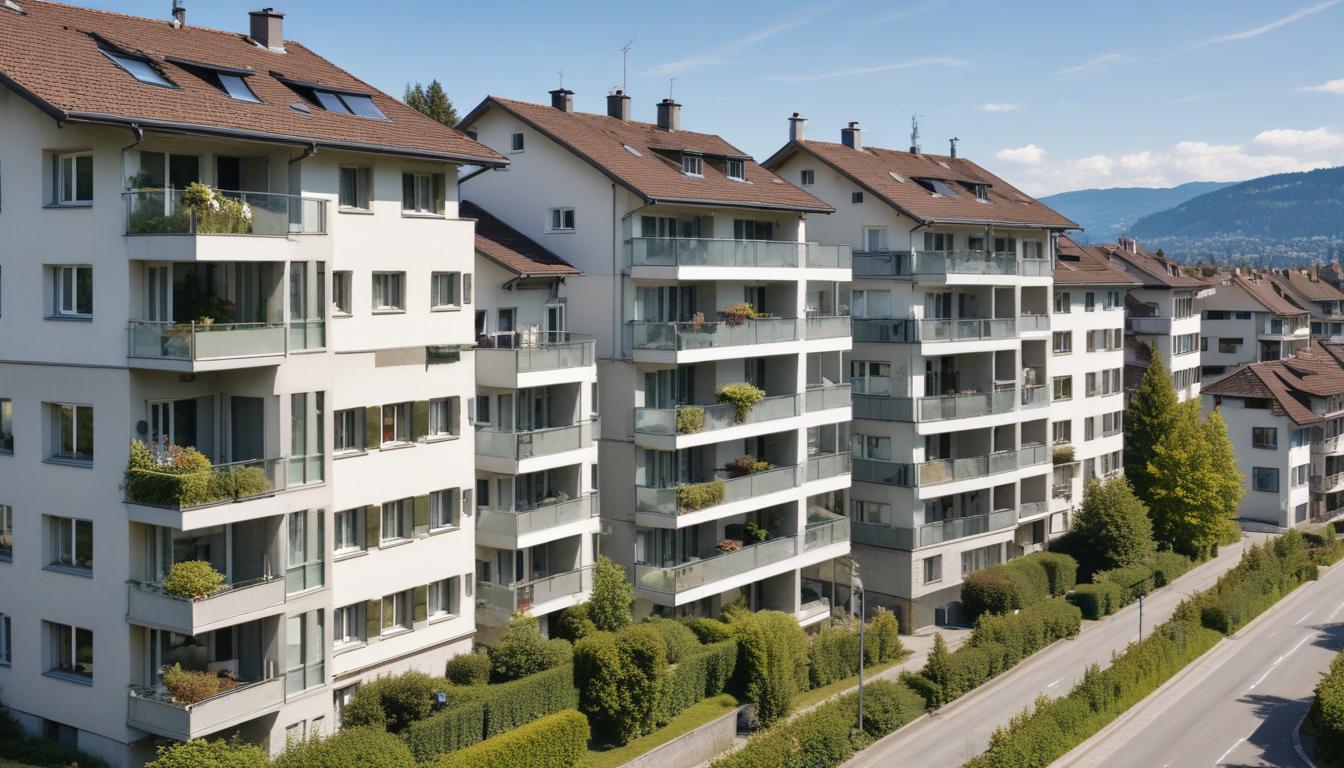
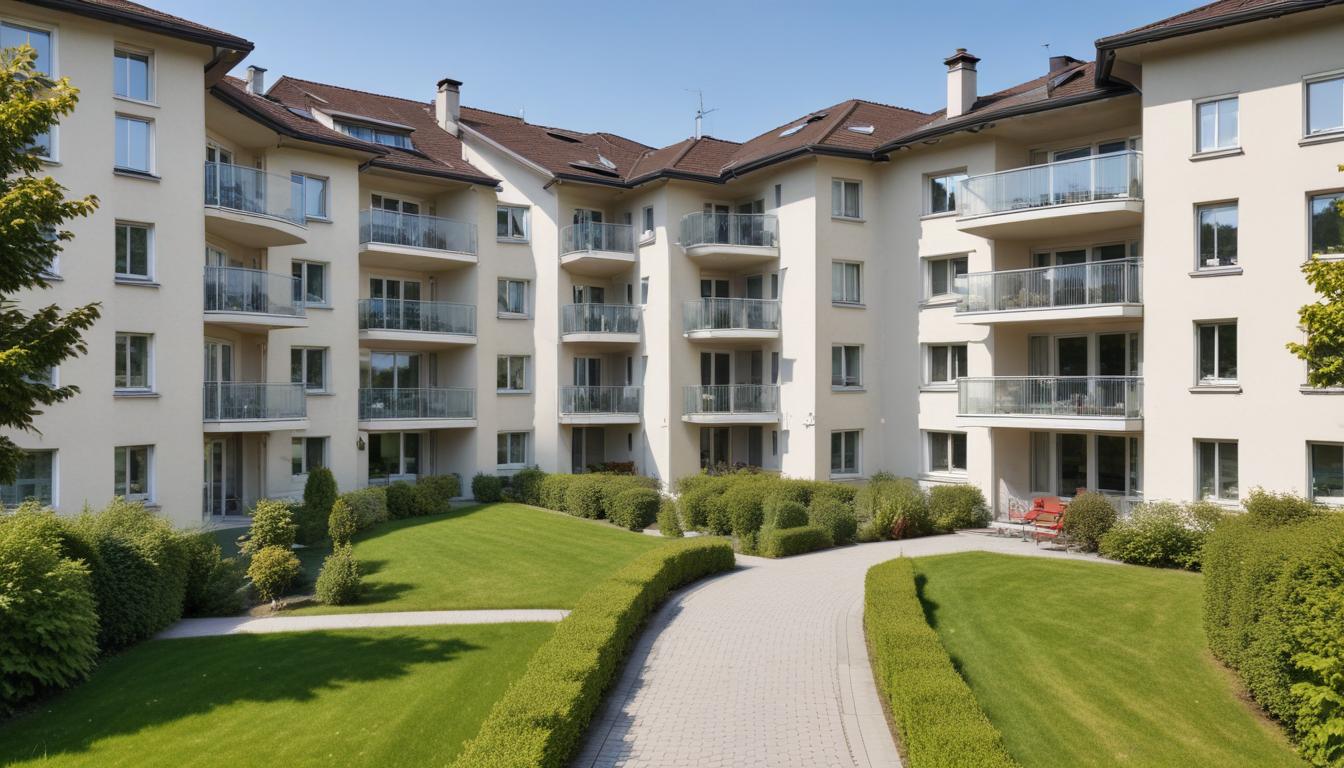
The expansion of the tram network into Altstetten—part of the broader Europaallee masterplan—is reshaping the investment calculus across Zurich's western districts. What was once a working-class industrial corridor is becoming a destination, and the numbers reflect the shift.
Properties within 300 metres of the new Europaplatz interchange have appreciated an average of 8.2 per cent over the past 18 months, according to data compiled by the Zurich Chamber of Real Estate. That outpaces broader market gains and rivals the slower-moving lakefront segments of Seefeld and Enge, where saturation has long kept appreciation modest.
The catalyst is straightforward: connectivity. The extended tram 8 line now connects Altstetten directly to Zurich Hauptbahnhof in under 12 minutes, trimming commute times by nearly a third for residents choosing the neighbourhood over more expensive central addresses. Mixed-use developments along Badenerstrasse and the newly pedestrianised sections near the Europaallee park have added retail, offices, and rental housing that attracts younger professionals and families priced out of Kreis 5 and Wipkingen.
The infrastructure project itself—a CHF 420 million investment coordinated by the city and canton—extends beyond transport. The accompanying cycle path network, public green space investments, and the planned redesign of the Sihl riverfront have created an ecosystem that property developers see as bankable. New-build apartments in the district now command CHF 12,400 per square metre on average, up from CHF 10,800 two years ago.
Established firms like Minergie and local cooperatives have launched six residential projects in the corridor since 2024, totalling 340 units. Rental demand remains strong, with furnished studios moving within weeks of listing.
However, the surge is not without friction. Long-term residents and tenant associations have raised concerns about gentrification, and the city council is reviewing rental protections. The Planning Department is also monitoring whether infrastructure-led appreciation becomes self-limiting—if prices climb too far, the affordability advantage that originally drew residents begins to erode.
Still, for investors and homebuyers seeking exposure to Zurich's property market without Seefeld's astronomical premiums or Wipkingen's scarcity, the Altstetten-Europaallee corridor has become the Swiss property story of 2026. The tram may run on electricity, but the investment momentum is running on something more fundamental: the old urban formula that transit, amenity, and timing still create value.
This article was compiled by AI from the sources linked above and screened before publishing. See our editorial standards.
How does this story make you feel?
Spread the word
About this article
Published by The Daily Zurich
Daily brief
Free, in your inbox before 7am. Weekdays.
More in Property