Zurich's New Developments Are Reshaping Yields—Here's What Smart Landlords Need to Know
As major projects transform neighbourhoods from Wiedikon to Altstetten, savvy investors are repositioning their portfolios to capture emerging rental premiums.
As major projects transform neighbourhoods from Wiedikon to Altstetten, savvy investors are repositioning their portfolios to capture emerging rental premiums.
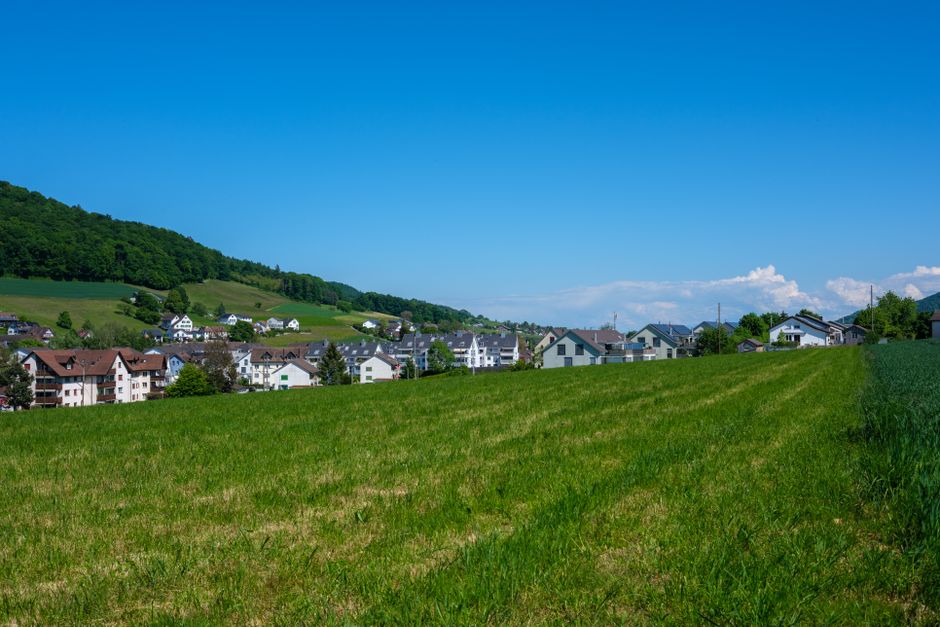
Zurich's property market operates at stratospheric valuations—average prices hover around CHF 15,000 per square metre—but the real opportunity for yield-focused investors lies in understanding how new neighbourhood development projects are creating rental demand clusters.
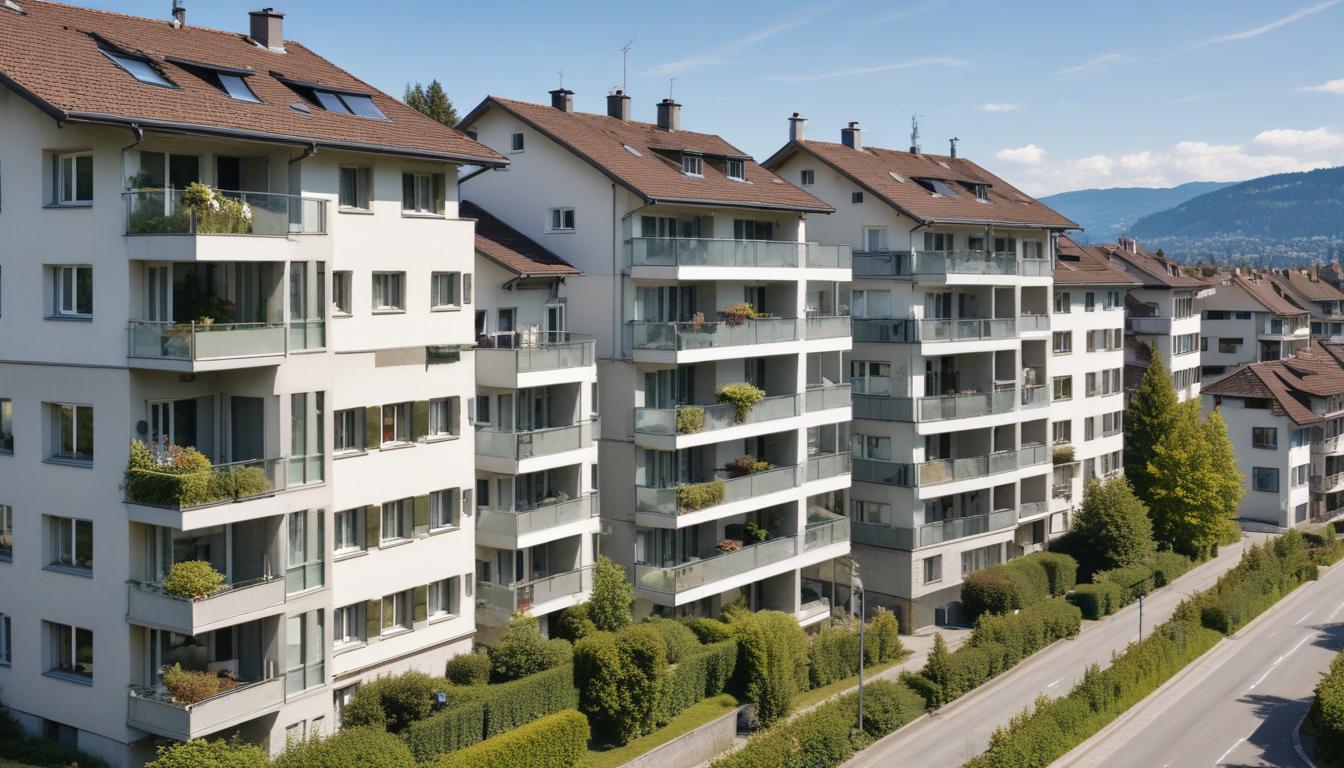
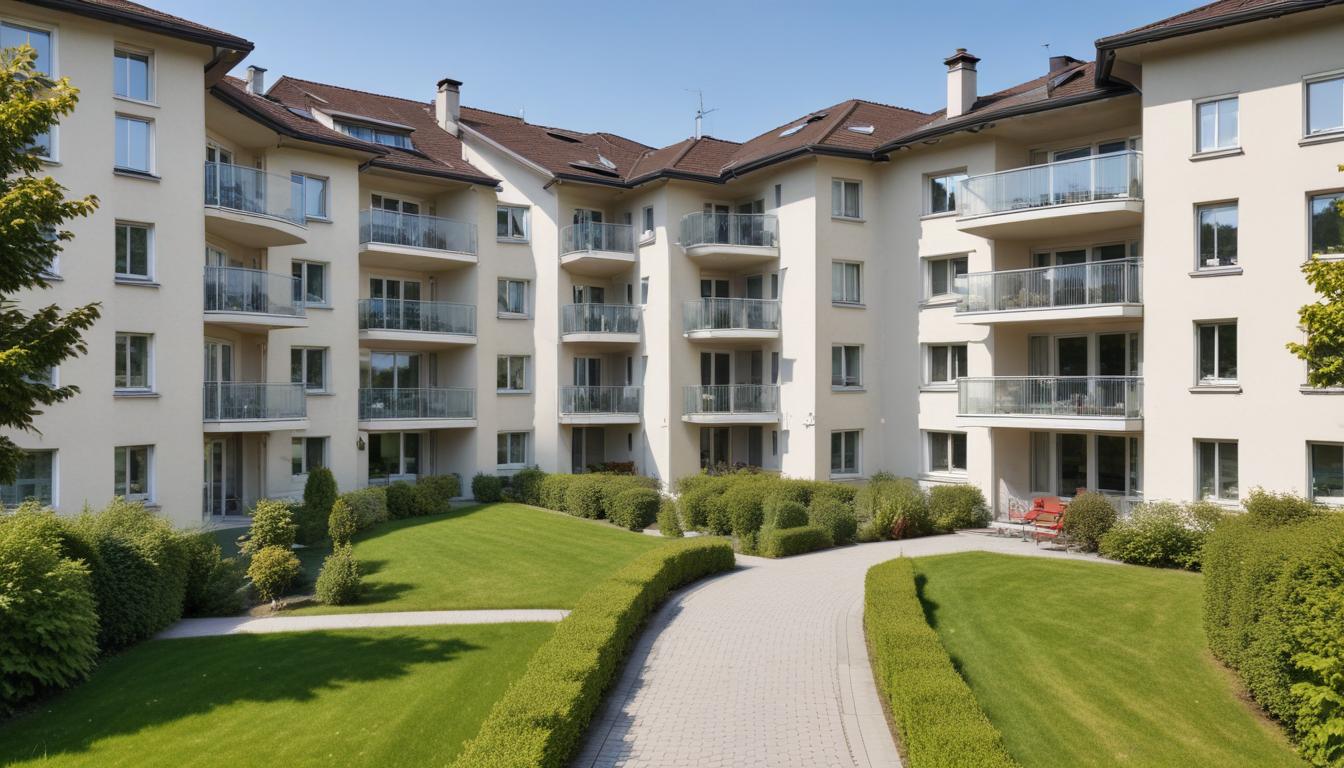
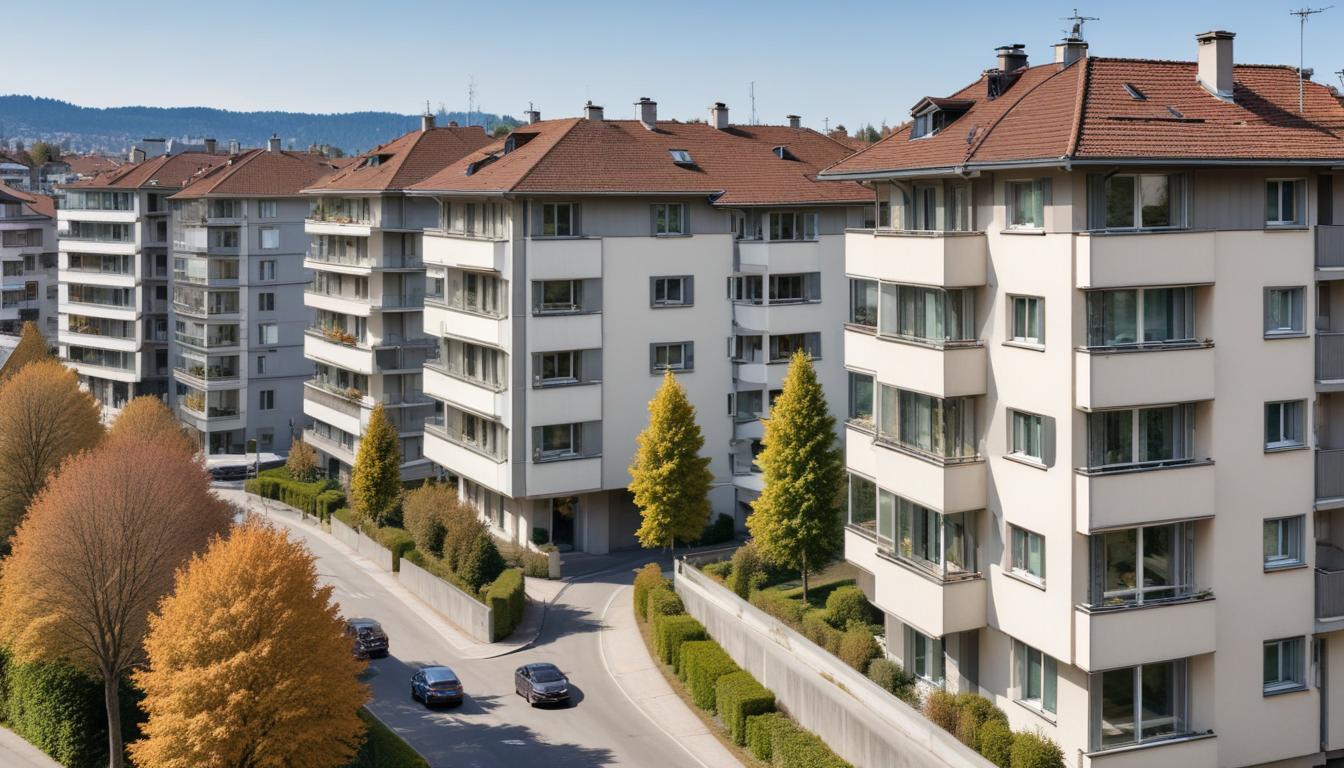
Take the ongoing Europaplatz regeneration in Altstetten. This former industrial zone, anchored by the Europark shopping centre and served by major transport links, is attracting young professionals and families priced out of central districts. New apartment blocks here command rental yields of 2.5–3 per cent, substantially higher than the Seefeld waterfront where trophy properties yield barely 1.8 per cent. The neighbourhood's transformation—adding schools, the Quartierzentrum community facilities, and green spaces—creates sustainable tenant appeal beyond speculative appeal.
Similarly, Wipkingen's evolution along the Limmat continues to reshape investor calculations. This once-overlooked Kreis 5 neighbourhood has seen accelerated development around the Letzigraben area, with new mixed-use projects drawing creative industries and remote workers. Rental demand here remains robust, keeping yields in the 2.2–2.8 per cent range. Landlords who positioned themselves five years ago have benefited from both capital appreciation and consistent tenant demand driven by the neighbourhood's cultural infrastructure—galleries, restaurants, and the Kanzlei cultural venue.
The critical lesson: new developments don't just affect the immediate project site. They function as anchors, attracting complementary services, improving transport efficiency, and signalling institutional confidence in an area. Investors monitoring Zurich's Stadtentwicklung (city development) plans can anticipate these clusters.
However, timing matters. Early-stage neighbourhoods offer higher yields but carry tenant-quality variability and longer vacancy risks. Established new-build areas like those near Hauptbahnhof show lower yield but superior tenant stability and faster vacancy turnaround. Most sophisticated landlords now maintain a portfolio blend: premium, low-yield properties in proven zones for capital preservation, and higher-yield assets in emerging neighbourhoods for income.
The Immobilien-Verwaltungsverband Zürich (property management association) notes that developments with strong public investment—transport, education, recreation—consistently outperform isolated residential projects. Investors should scrutinise municipal budget allocations alongside architectural plans.
With regulatory pressure on new construction and land constraints, Zurich's development pipeline remains selective. This favours landlords who understand neighbourhood trajectory over those chasing headlines about mega-projects. The real wealth in Zurich's market increasingly flows to investors who read the city's development roadmap rather than chase its most expensive postcodes.
This article was compiled by AI from the sources linked above and screened before publishing. See our editorial standards.
How does this story make you feel?
Spread the word
About this article
Published by The Daily Zurich
Daily brief
Free, in your inbox before 7am. Weekdays.
More in Property