Zurich's property elite have long migrated between Seefeld and Enge, where waterfront villas command CHF 25,000 per square metre or higher. But a subtle shift is reshaping the city's investment landscape. Hongg, the historically quieter riverside district nestled between Wiedikon and the Limmat's northern bend, has emerged as the unexpected favourite of discerning buyers and institutional investors seeking exceptional value without sacrificing prestige.
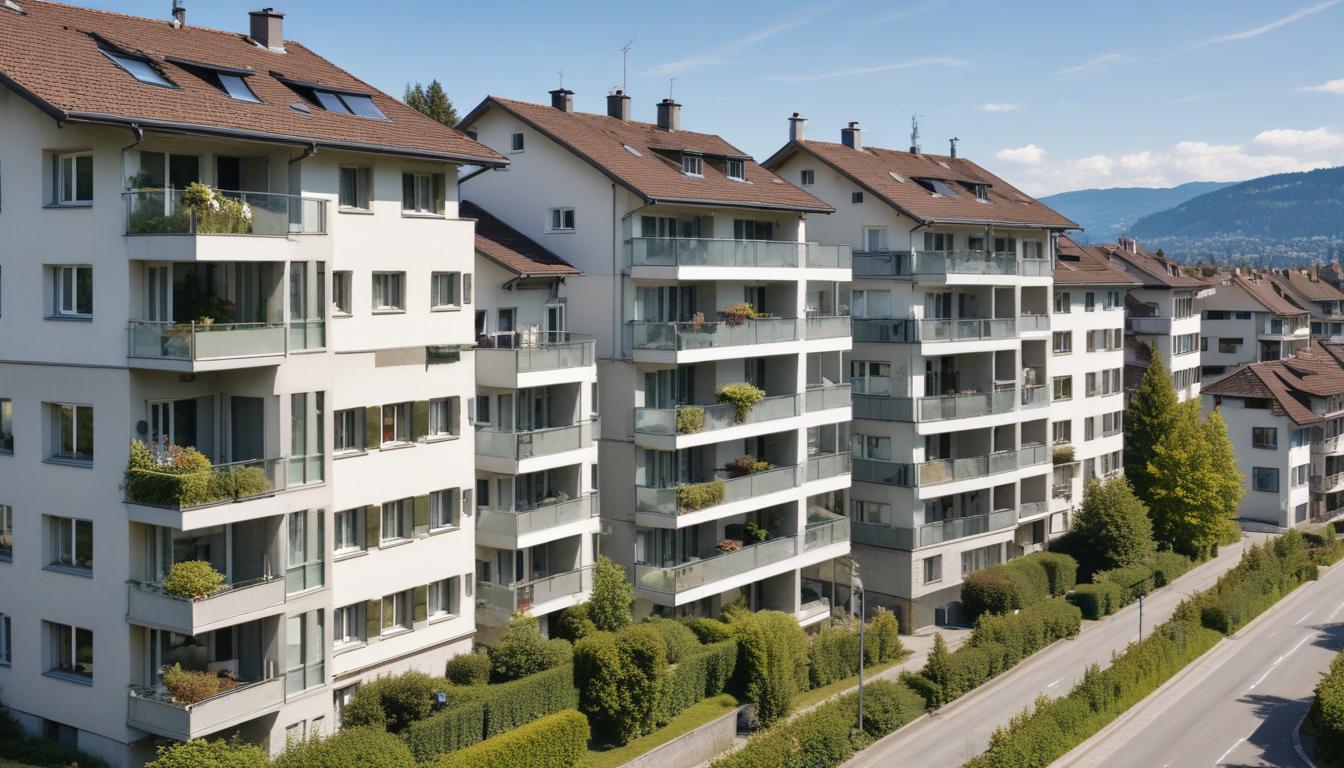
The numbers tell a compelling story. Properties in Hongg have appreciated 18–22 per cent over the past three years, outpacing the broader Zurich average of 12 per cent. A recently completed conversion of a 19th-century mill complex on Honggerststrasse sold at CHF 14,800 per square metre—a premium that would have seemed unthinkable five years ago. Newer developments near the Limmatpark neighbourhood now fetch CHF 16,500 per square metre, narrowing the gap with established postcodes like Kreis 5.
What's driving this momentum? Accessibility, character, and intelligent urban planning. The opening of the extended Limmat promenade in 2024, coupled with the Hongg S-Bahn station improvements, transformed commute times to Bahnhofstrasse and the financial district. Young families and downsizing affluent residents discovered what locals knew: tree-lined Honggerststrasse and Tödistrasse offer authentic Zurich living without the theatrical premium of Seefeld.
The retail and cultural ecosystem has matured accordingly. The Hongg Cultural Centre, a converted 1970s civic building, now hosts galleries and design studios. Independent restaurants and wine bars have replaced shuttered shopfronts. The nearby Limmatpark continues expanding its leisure offerings, attracting weekend pedestrians from across the city.
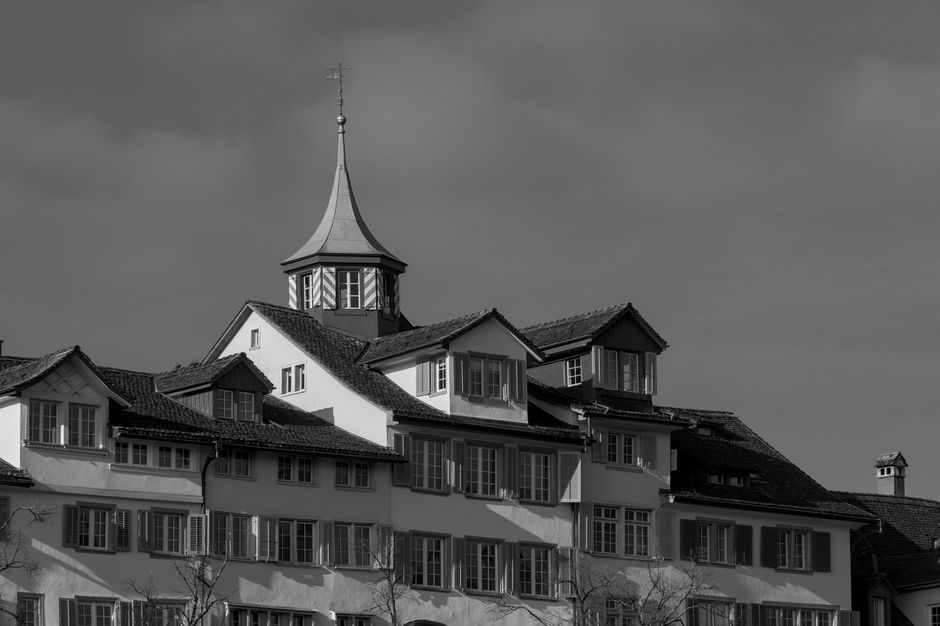
Crucially, Hongg remains architecturally mixed—a blend of protective heritage zoning and modern infill development. This complexity appeals to sophisticated investors who recognise that homogeneity erodes long-term appeal. Institutional money from Swiss pension funds and Liechtenstein-based family offices has begun acquiring conversion rights on remaining industrial properties, signalling confidence in Hongg's trajectory.
Real estate consultancies report that Hongg now ranks third in year-on-year price momentum, behind only Seefeld and the Goldküste. Yet it remains accessible to a broader wealth demographic than its rivals. A two-bedroom apartment selling for CHF 2.2 million in Hongg would command CHF 3.1 million in Enge.
For investors watching Zurich's luxury market, Hongg represents an increasingly rare commodity: genuine discovery with measurable fundamentals. The suburb's moment has arrived quietly, without fanfare—exactly as Zurich's most astute property players prefer.
This article was compiled by AI from the sources linked above and screened before publishing. See our editorial standards.