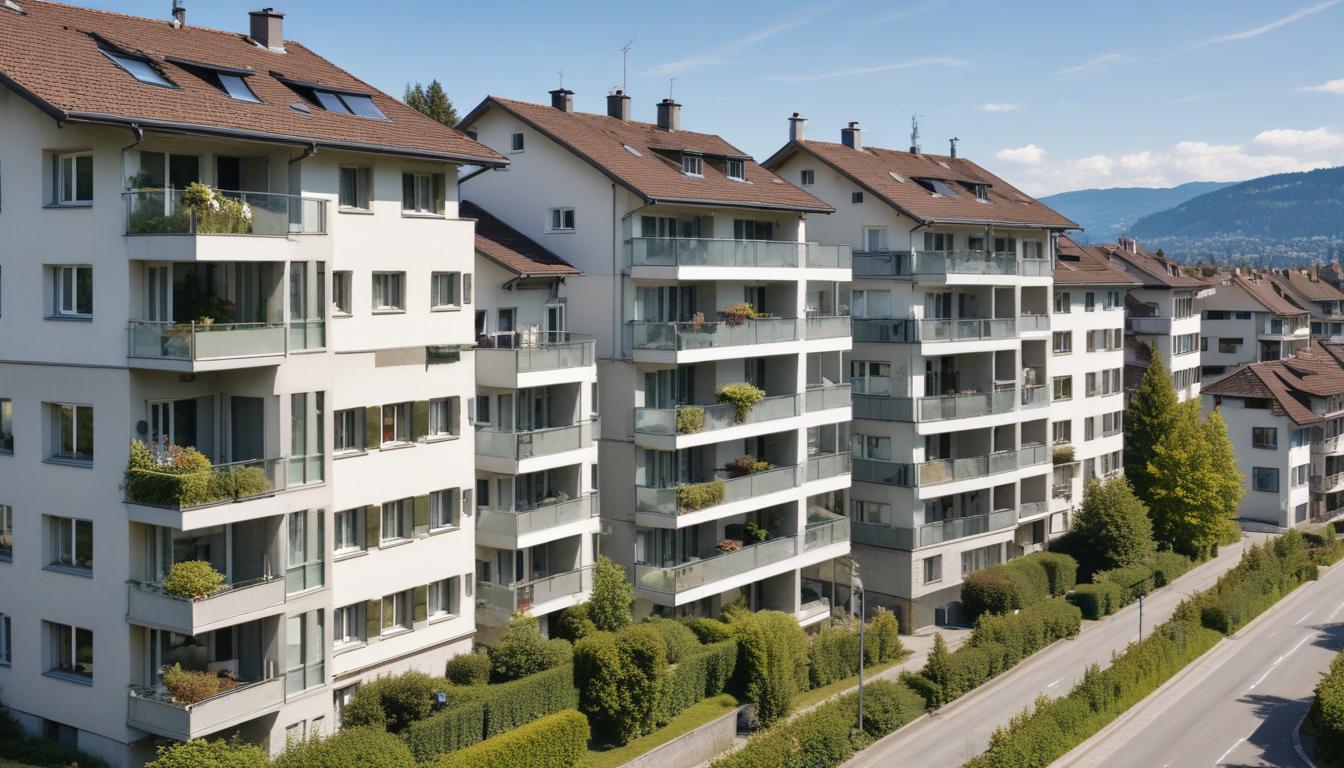
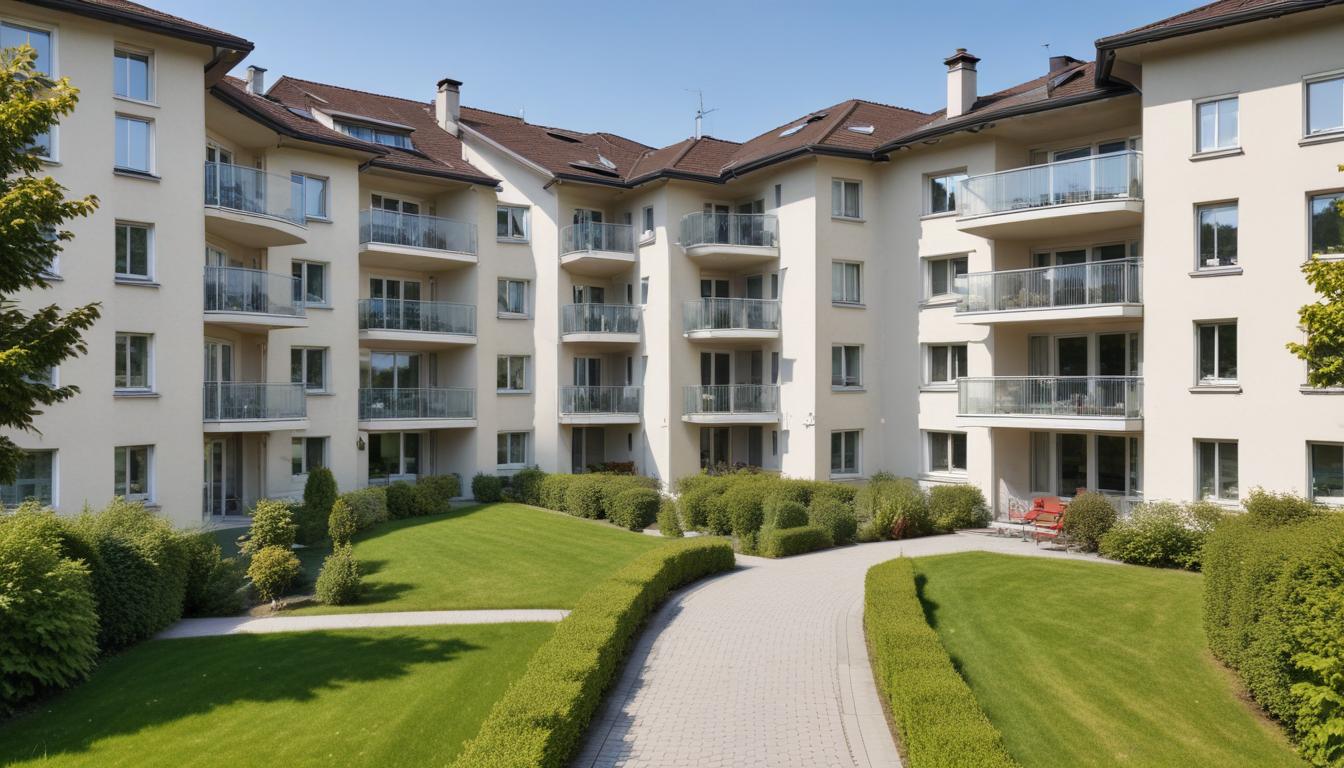
Hongg's Quiet Revolution: How Zurich's Overlooked Enclave Became the Investor's Prize
As waterfront premiums plateau, wealthy buyers are quietly reshaping this industrial-turned-residential quarter on the city's eastern edge.
As waterfront premiums plateau, wealthy buyers are quietly reshaping this industrial-turned-residential quarter on the city's eastern edge.
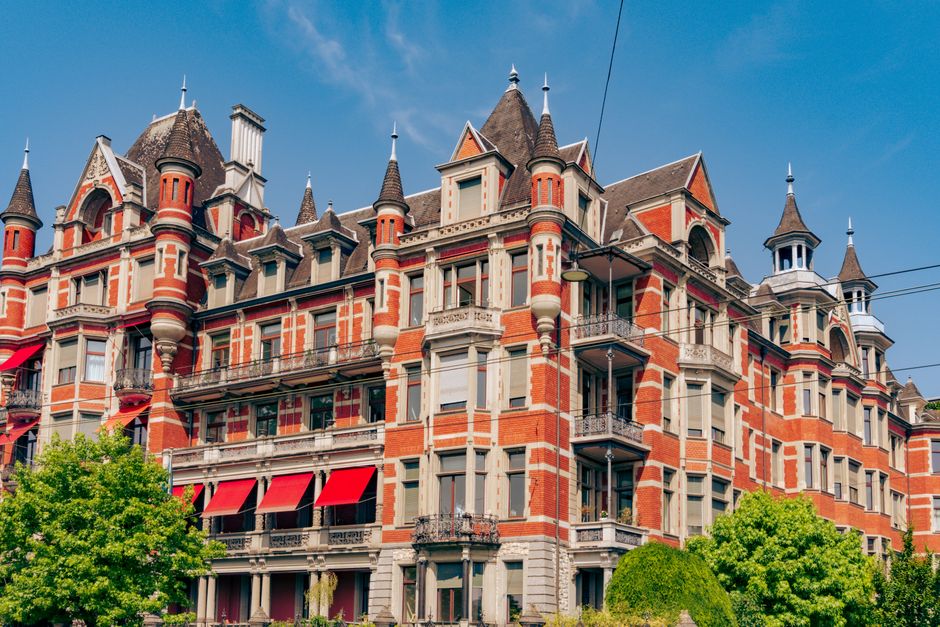
For decades, Hongg existed in the shadow of Zurich's A-list neighbourhoods. While investors queued for Seefeld penthouses and Enge lakefront villas, this quiet corner of Kreis 6 remained a working-class holdout—characterised by modest Gründerzeit flats, light industrial yards, and the kind of authentic street life that gentrification typically erases.
That narrative is shifting. Over the past eighteen months, Hongg has emerged as the city's most intriguing luxury play, attracting significant capital from institutional investors and high-net-worth individuals seeking value beyond the Swiss franc's established strongholds. Properties here now command CHF 16,500–18,000 per square metre—still 15–20 per cent below Seefeld's median of CHF 21,000, yet appreciating at rates that have caught the attention of portfolio managers across the Limmatquai.
The catalyst is infrastructure. The completion of enhanced tram connections along the Seestrasse corridor, combined with the anticipated renewal of the Zürichberg parkland access points, has repositioned Hongg not as peripheral, but as genuinely integrated. The neighbourhood's elevated position—a topographical advantage long overlooked—now reads as desirable: sweeping city views toward the Appenzell Alps, with none of the noise exposure that afflicts lower-lying districts.
Real estate specialists report that discretionary acquisitions here are predominantly European and North American family offices seeking long-term holds rather than quick flips. They're buying both renovation opportunities—unrenovated period properties remain available at CHF 12,000–14,000/sqm—and completed units. A recently completed conversion of a former textile storage facility on Honggstrasse into twelve apartments sold within weeks of listing.
The cultural inflection point matters too. Independent galleries, artisanal cafés, and creative studios have begun clustering along the Hongg-Wiedikon border. The Kunsthalle Zurich's emerging artist residency programme now includes Hongg spaces, lending the area intellectual credibility beyond property speculation.
Yet sceptics rightfully note that Hongg lacks the established cachet of Seefeld or the bohemian narrative of Kreis 5. Waterfront access remains absent. School infrastructure, while adequate, doesn't match Altstetten's family-focused appeal. The market here rewards conviction buyers—those willing to stake position on trajectory rather than pedigree.
For savvy investors, that distinction may be precisely the point. In a city where Seefeld plots routinely exceed CHF 25,000/sqm, Hongg offers the rare combination of tangible urban fundamentals and genuine price appreciation runway. The suburb isn't emerging; it's arriving.
This article was compiled by AI from the sources linked above and screened before publishing. See our editorial standards.
How does this story make you feel?
Spread the word
About this article
Published by The Daily Zurich
Daily brief
Free, in your inbox before 7am. Weekdays.
More in Property