Zurich's Next Wave: What's Really Driving Neighbourhood Prices and Why Timing Matters Now
As transit infrastructure and urban renewal reshape Zurich's periphery, smart investors are spotting value before the next wave of growth hits.
As transit infrastructure and urban renewal reshape Zurich's periphery, smart investors are spotting value before the next wave of growth hits.
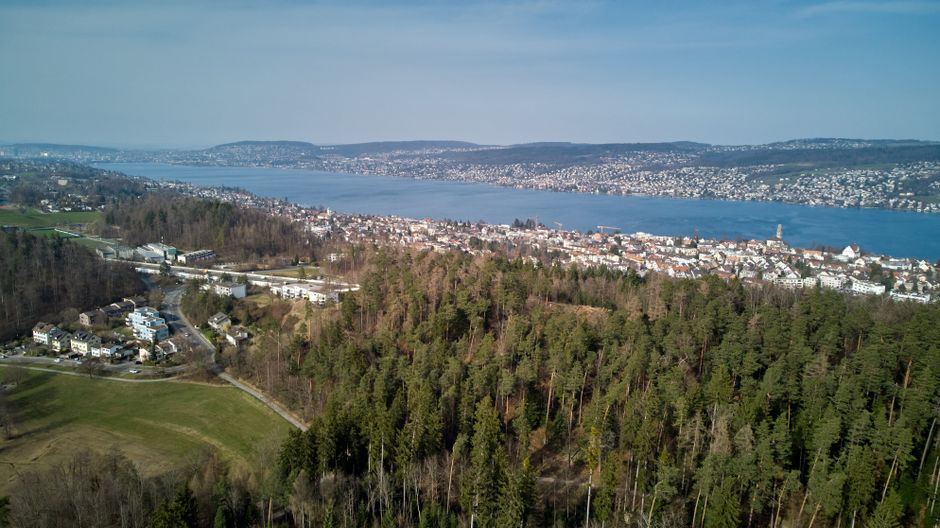
Zurich's property market has long been defined by its waterfront premium—Seefeld and Enge commanding CHF 18,000 to CHF 22,000 per square metre. But as we move through 2026, a more nuanced geography of value is emerging across the city's neighbourhoods, and savvy buyers are paying close attention to the fundamentals reshaping demand.
The primary driver remains transit accessibility. The completion of expanded tram infrastructure along Badenerstrasse and investment in the Zurich West corridor continues to push prices outward from the city core. Wiedikon, historically overlooked, now attracts young families and young professionals willing to trade waterfront views for modern penthouses at CHF 12,000–CHF 14,000 per square metre—still 15 to 20 per cent below central district equivalents. The Freitag Tower precinct and emerging creative industries along Geroldstrasse have catalysed rental demand, lifting investment fundamentals for buy-to-let strategists.
Kreis 5 remains the poster child for Zurich's gentrification cycle. Neighbourhoods like Industriequartier and pockets around Selnau have seen prices jump 8 to 12 per cent annually since 2023, driven by mixed-use redevelopment and the expansion of the University of Zurich's Irchel campus. But here's what buyers should know: that easy appreciation is already priced in. Entry-level apartments (2–3 rooms) now command CHF 14,000–CHF 16,000 per square metre—approaching the city average. The smart play lies in secondary Kreis 5 zones like Aussersihl, where renovation-ready properties still offer 15 to 20 per cent discounts to finished stock.
Regulation is the shadow factor now. The Canton Zurich's tightening of short-term rental restrictions and increased requirements for owner-occupancy in certain zones are reshaping investment calculus. Landlords previously relying on Airbnb arbitrage face margin compression; this is repricing neighbourhood portfolios and creating temporary inefficiencies. Buyers targeting long-term rental income should favour locations with strong student and transient professional demand—Aussersihl, Altstetten, and areas adjacent to the ETH Zurich and University of Zurich campuses offer more stable yields.
Interest rate stability—Swiss mortgage rates hovering around 1.8 to 2.2 per cent—continues to support prices, but purchasing power erosion is real. Buyers entering the market now should avoid overpaying for trophy addresses. Instead, focus on neighbourhoods with identifiable catalysts: planned transit improvements, institutional expansion, or cultural renewal initiatives. Zurich's average of CHF 15,000 per square metre masks significant local variation. That variation is where opportunity lives.
This article was compiled by AI from the sources linked above and screened before publishing. See our editorial standards.
How does this story make you feel?
Spread the word
About this article
Published by The Daily Zurich
Daily brief
Free, in your inbox before 7am. Weekdays.
More in Property