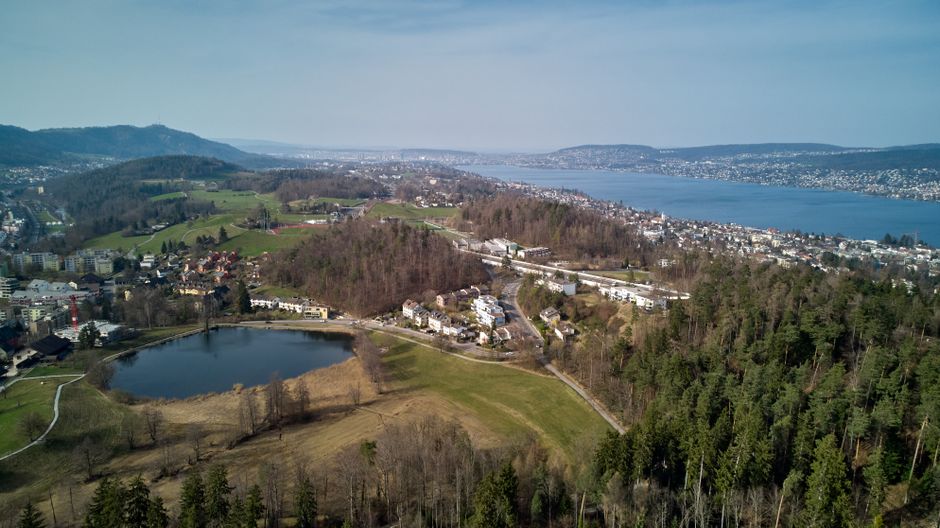
Zurich's property market faces a paradox. The city consistently ranks among Europe's most expensive, with average prices hovering near CHF 15,000 per square metre, yet a fresh wave of development projects—from the Europaallee mixed-use quarter to ambitious plans along the Zürichberg periphery—promises to inject new supply into a chronically undersupplied market.
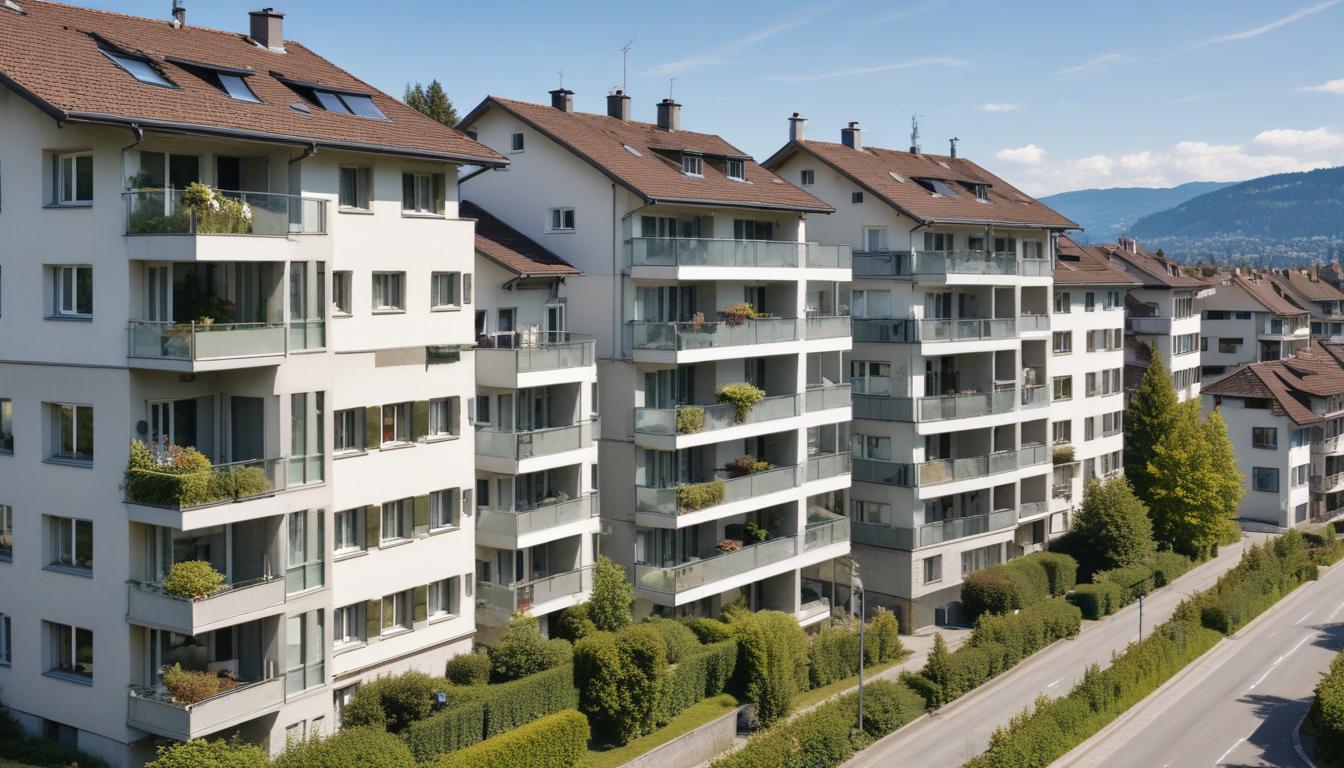
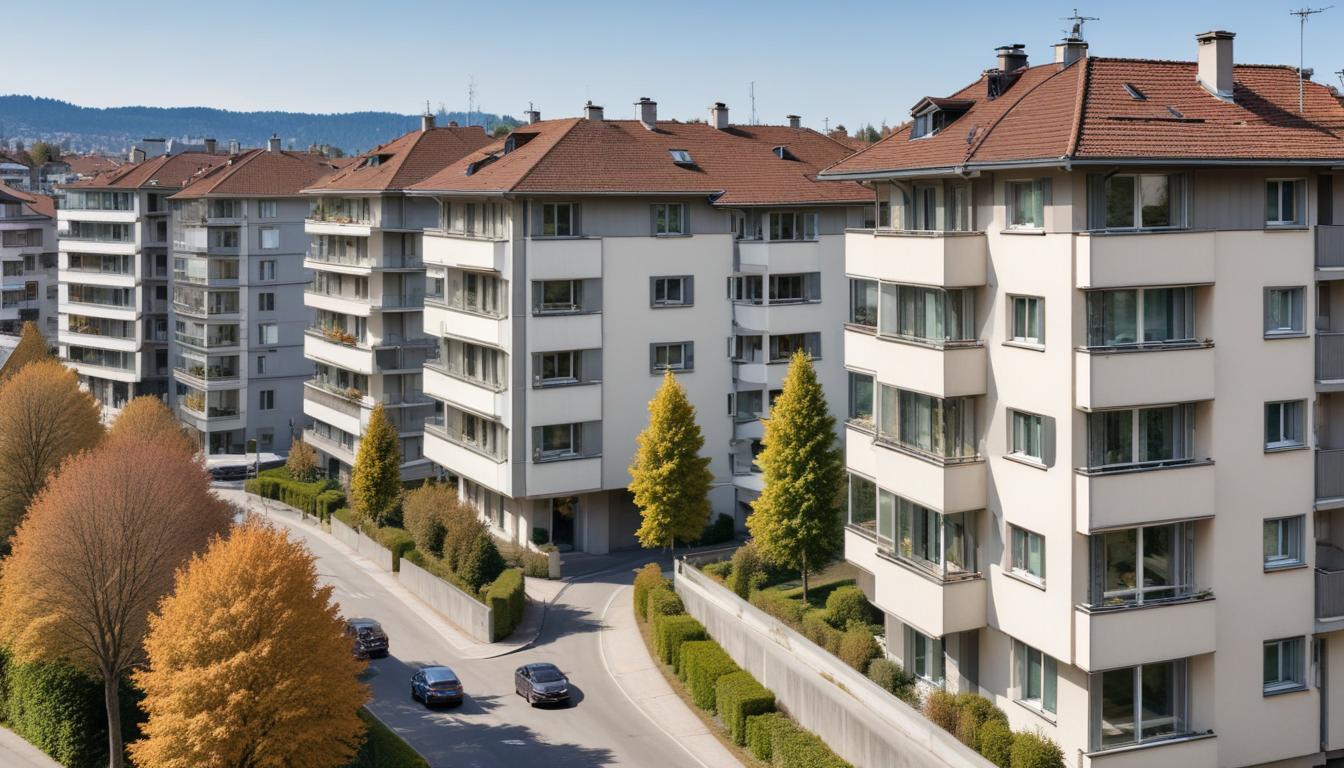
The implications are nuanced. Take Kreis 5, where trendy Wipkingen and neighbouring districts have become magnets for young professionals priced out of Seefeld and Enge's waterfront premium zones. New construction here—including residential towers planned near Wiedikon station and conversion projects around the Geroldstrasse industrial corridor—should theoretically moderate rent inflation. Yet preliminary data suggests otherwise. Despite recent completions, median rents in Wipkingen have climbed roughly 4–5 per cent annually, driven partly by amenity improvements that accompany new developments.
Stakeholders point to a structural mismatch. Many new projects prioritise owner-occupied units or luxury rentals, where developers capture higher margins. Affordable housing quotas—typically 15–25 per cent in Zurich's zoning approvals—help, but rarely offset market-rate pricing elsewhere in the same building. The result: a two-tier market where new supply alleviates pressure for wealthy buyers while middle-income households remain squeezed.
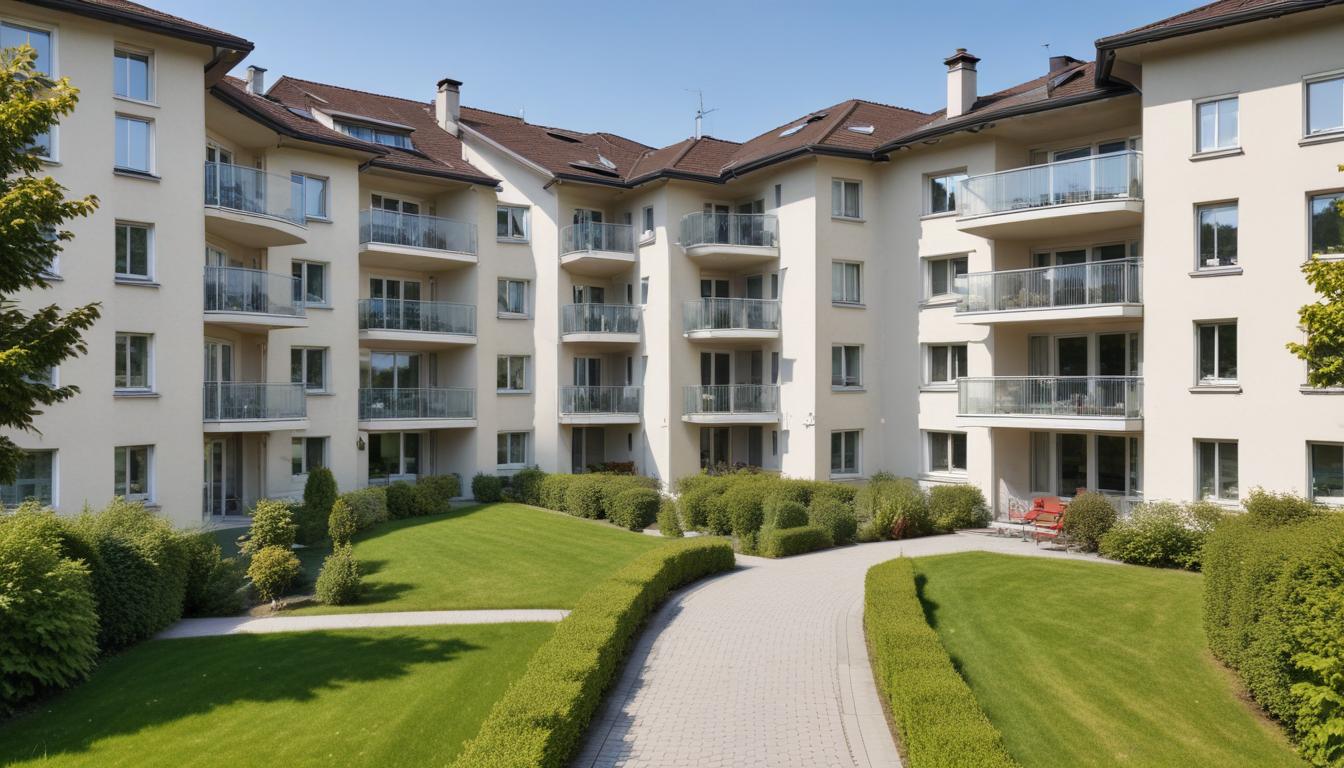
The Europaallee initiative, a landmark transformation of former railway lands stretching from Hardbrücke toward Altstetten, epitomises this tension. The project promises 5,000 new homes alongside office, retail, and cultural spaces. City planners view it as essential relief for the broader metropolitan area. However, early phases show penthouses and premium two-bedroom flats commanding CHF 1.2–1.4 million, well beyond first-time buyer reach in most Swiss households.
Some smaller interventions offer glimpses of hope. Non-profit housing cooperatives, particularly active in Kreis 6 and Altstetten, continue acquiring land through mixed-development agreements, ensuring below-market rents in perpetuity. The City of Zurich's housing department has also tightened affordability requirements on municipal land sales, nudging developers toward broader accessibility.
As construction cranes multiply across Zurich's skyline, the question isn't whether supply increases—it will. Rather, the critical question for residents and policymakers alike remains whether new developments genuinely democratise access to the city, or merely replicate existing stratification at a higher architectural standard.
This article was compiled by AI from the sources linked above and screened before publishing. See our editorial standards.