New Zurich developments reshape neighbourhood yields—here's what smart landlords need to know
As major projects transform Kreis 5 and the Limmatfeld corridor, rental returns are shifting faster than construction cranes.
As major projects transform Kreis 5 and the Limmatfeld corridor, rental returns are shifting faster than construction cranes.

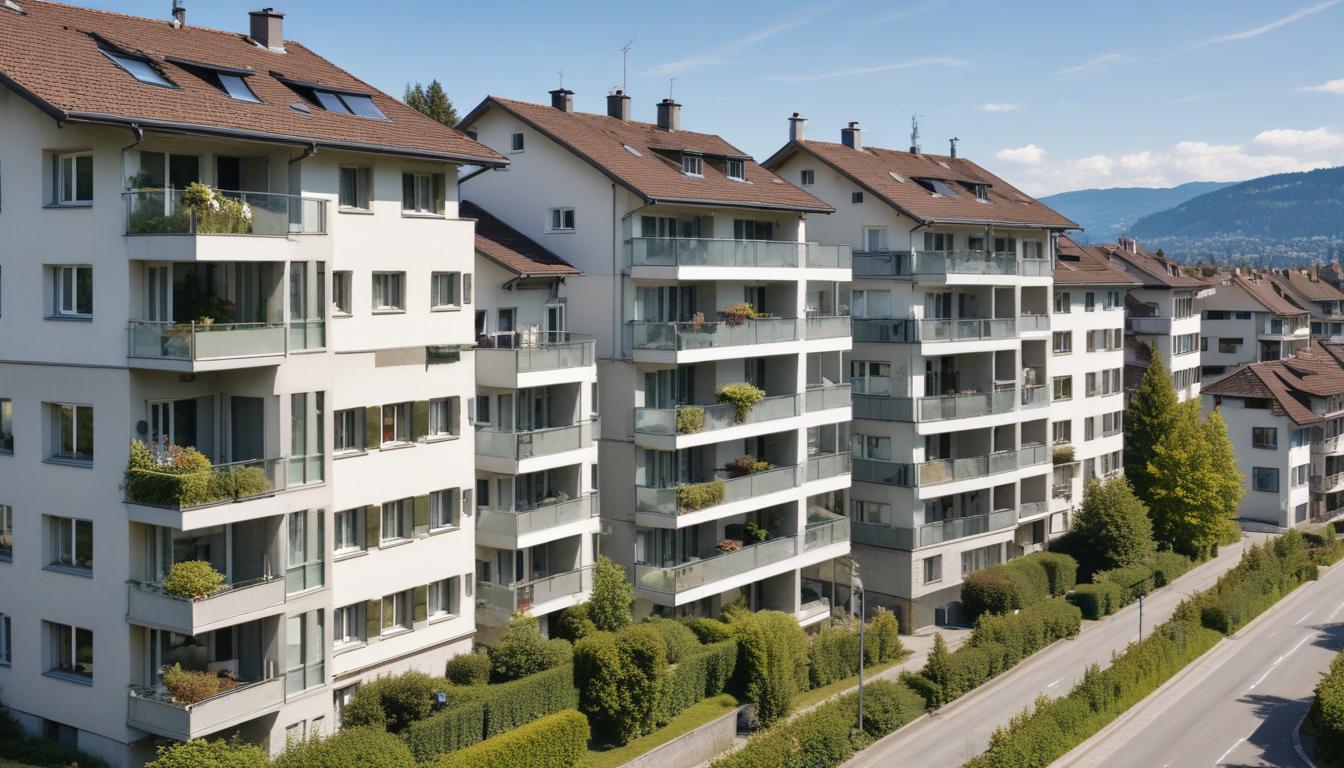
Zurich's property market has long rewarded patience, but patience alone won't cut it in 2026. The wave of new residential and mixed-use developments threading through Wipkingen, Aussersihl, and along the industrial-heritage Limmat Valley is fundamentally rewriting the investment playbook for landlords who understand neighbourhood dynamics.
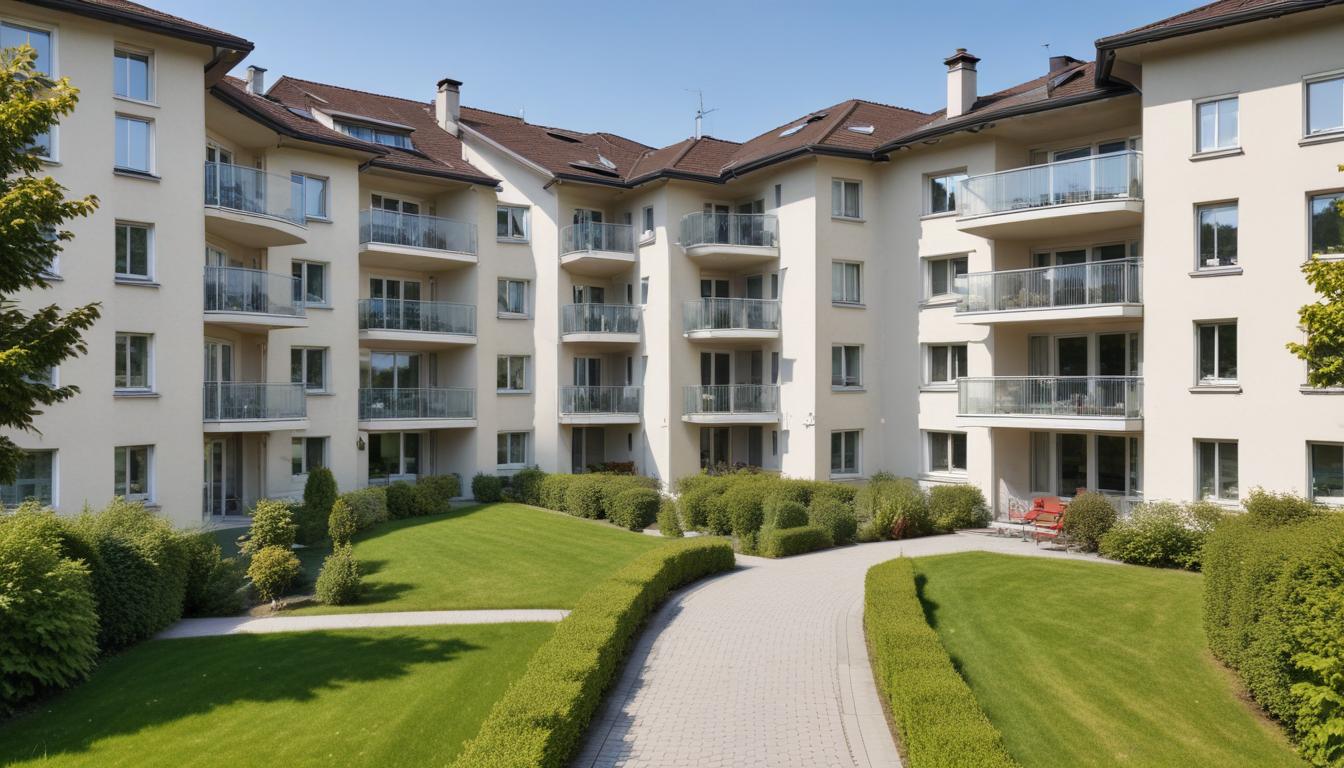
Consider the Limmatfeld district, where several multi-million-franc residential projects are now in their final phases. These aren't luxury towers in Seefeld—they're mid-range family apartments targeting the growing cohort of young professionals priced out of traditional westside hotspots. For existing landlords holding property within 400 metres of these sites, the implications are stark: supply increases, but so does foot traffic, infrastructure investment, and long-term area appeal. The tension between short-term rent stagnation and long-term capital appreciation is real.
The opening of the Europaallee development corridor—extending from Zurich West toward Altstetten—has already shifted investor attention northward. Where residential units in Kreis 5's Gerold and Kalkbreite neighbourhoods once yielded a modest 2–2.5% gross rental return, the influx of new stock and improved transit links has created a more dynamic rental market. Properties near the Linth pedestrian path and newly activated public spaces command higher occupancy rates and faster turnover, offsetting lower per-unit yields with volume and flexibility.
But here's the landlord's dilemma: new developments bring gentrification pressure. Long-term tenants—traditionally a stabilising force in Zurich—are increasingly priced out as neighbourhoods upgrade. Investors holding older stock must decide whether to modernise (costly, disruptive) or accept slower appreciation in favour of reliable, lower-income tenant demographics. Neither path is without risk.
The data supports caution. Swiss property council records show that neighbourhoods experiencing significant new development see rental yields compress by 0.3–0.6% within two to three years, though capital appreciation often accelerates by 3–4% annually thereafter. The Europaplatz area exemplifies this: rents have flatlined, but property values have climbed steadily as amenities matured.
Smart landlords now focus on three variables: distance to development (close enough for benefit, far enough to avoid disruption), tenant profile (shifting toward higher-income professionals in upgraded zones), and holding horizon (short-term rentals benefit from churn; long-term holds ride appreciation). The old Zurich adage—buy, hold, retire—still works. But in 2026, you need to know where to buy and when to pivot.
The next two years will define winners and laggards. Act decisively, or watch your yields compress while smarter investors capture the upside.
This article was compiled by AI from the sources linked above and screened before publishing. See our editorial standards.
How does this story make you feel?
Spread the word
About this article
Published by The Daily Zurich
Daily brief
Free, in your inbox before 7am. Weekdays.
More in Property