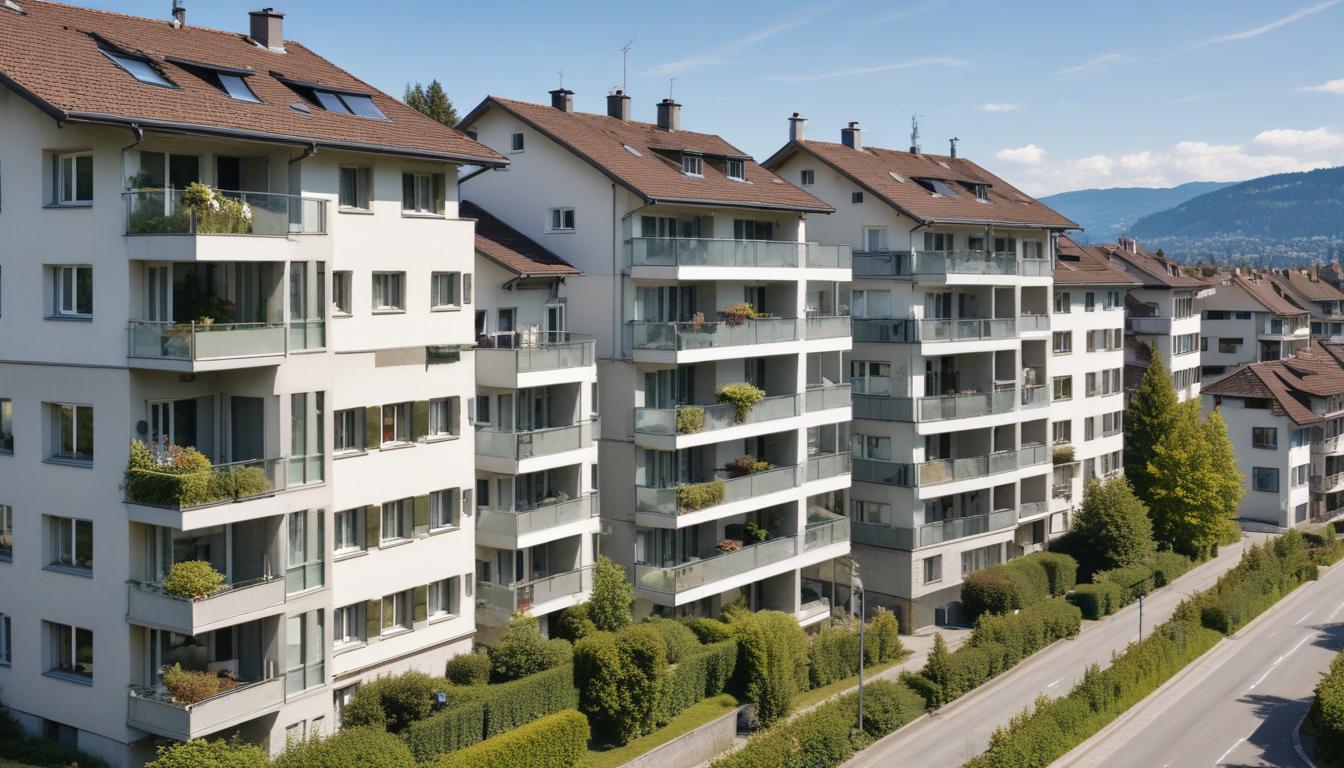
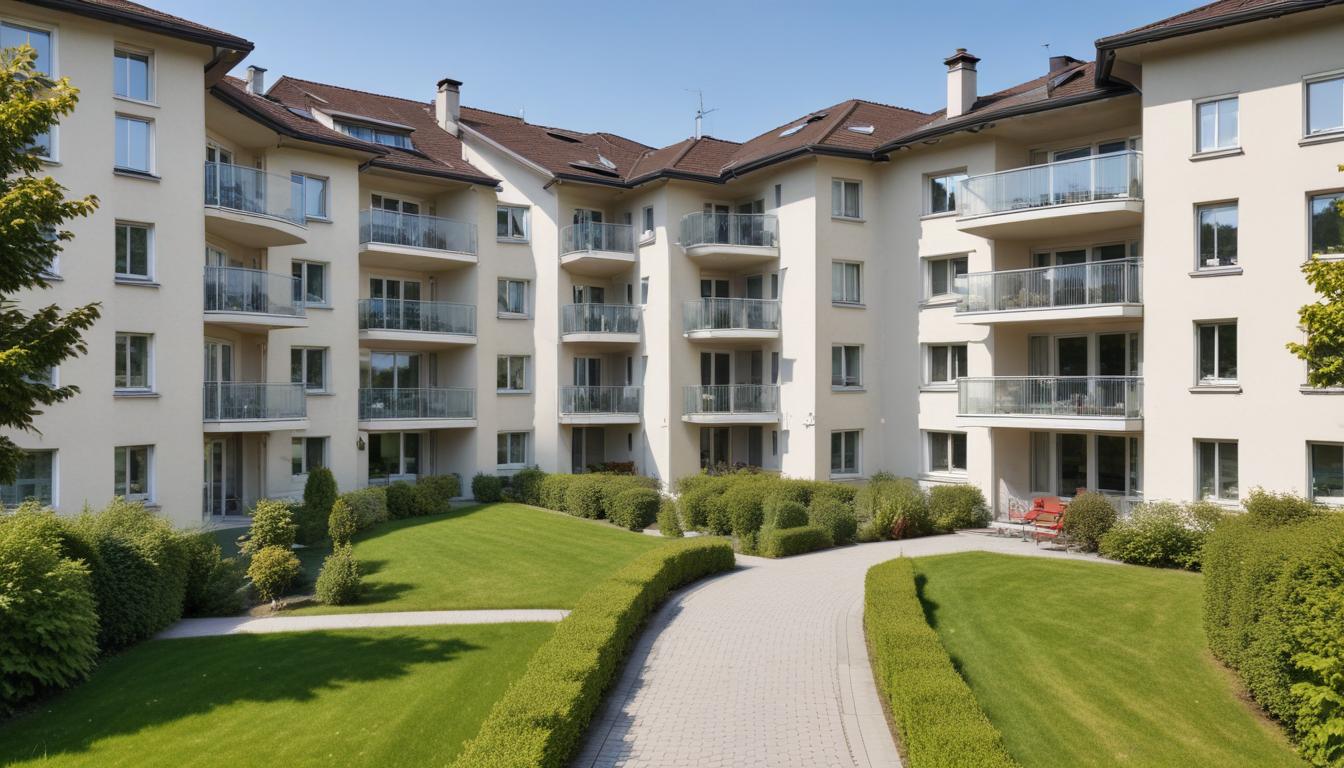
Zurich's ultra-premium property sector has long attracted global capital seeking stability in a notoriously expensive market. But beneath the gleaming façades of Seefeld villas and Enge lakefront apartments lies a harder question: do these investments actually perform?
The numbers tell a nuanced story. Properties in Zurich's most coveted neighbourhoods—where average prices hover around CHF 15,000 per square metre—have seen selective appreciation. Premium waterfront addresses along the Zürichsee command CHF 20,000 to CHF 28,000 per square metre, yet rental yields remain modest by international standards. A CHF 8 million penthouse on Bellerivestrasse might generate annual rental income of CHF 180,000 to CHF 240,000, translating to a 2.25–3 percent gross yield before costs, maintenance, and cantonal taxes.
What investors increasingly recognise is that Zurich's prestige market operates differently from volume-driven sectors. Capital appreciation matters more than cashflow. Properties in Seefeld have appreciated roughly 3–4 percent annually over the past five years, according to market tracking by major Swiss real estate firms. Enge and Wiedikon neighbourhoods have seen similar patterns, with pockets of stronger growth in contemporary conversions of heritage buildings.
The investor calculus extends beyond yield percentages. Currency stability, political neutrality, and limited supply create structural support. Switzerland's finite developable land—especially within Zurich's protected zones—acts as a natural floor. Yet this also means liquidity varies sharply. A bespoke property on Dufourstrasse may take months to move, while standardised apartments shift faster.
Institutional capital has shifted strategy. Rather than chasing rental income, funds increasingly target development opportunities: converting Kreis 5 industrial spaces into luxury lofts, or acquiring underutilised properties in Wipkingen ahead of infrastructure improvements. These plays target 8–12 percent IRRs, substantially outpacing straightforward buy-and-hold models.
Transaction data from the past eighteen months reveals telling patterns. Properties priced above CHF 10 million represent only 3 percent of sales volume but account for nearly 18 percent of total value transferred. This concentration suggests sophistication—fewer, larger, longer-holding positions by experienced players.
The Zurich luxury market ultimately rewards patience over speculation. Investors seeking double-digit annual returns will be disappointed. Those comfortable with 3–5 percent blended returns—combining modest rental income with slow, steady appreciation plus currency-hedge benefits—find the risk-reward increasingly rational. The question isn't whether to buy, but whether you can afford to wait.
This article was compiled by AI from the sources linked above and screened before publishing. See our editorial standards.