First-Time Landlords in Zurich: Your Guide to Navigating the Investment Property Market
With yields compressed and regulations tightening, newcomers to Zurich's rental market need strategy, not just capital.
With yields compressed and regulations tightening, newcomers to Zurich's rental market need strategy, not just capital.
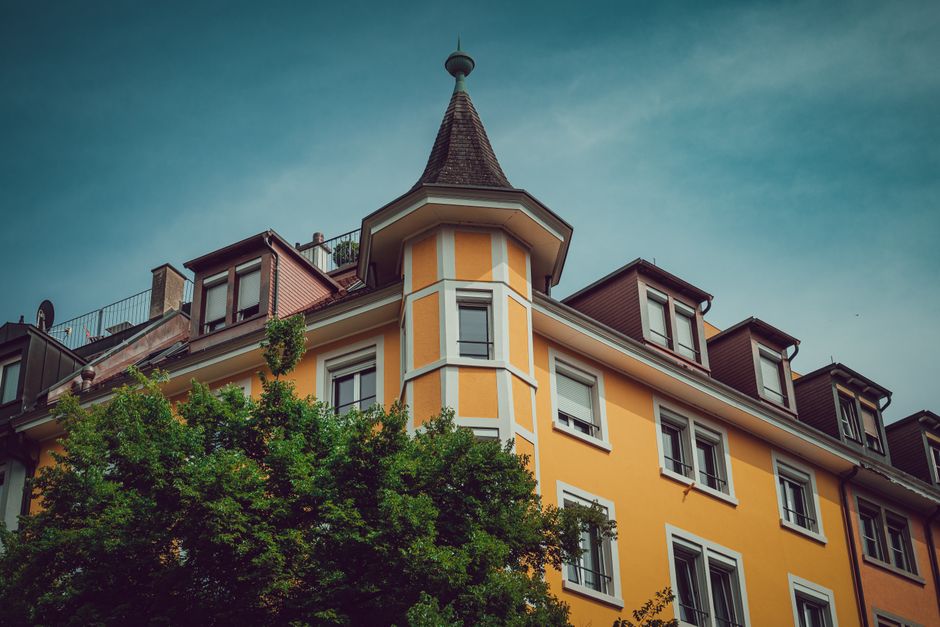
Zurich's property market has always been exclusive—but for first-time investment buyers, today's landscape demands more than deep pockets. At CHF 15,000 per square metre citywide, entry-level decisions carry significant consequences. Understanding rental yields, tax obligations, and neighbourhood dynamics isn't optional; it's foundational.
The math first: Zurich's gross rental yields typically range from 2–3.5%, lower than many European capitals but justified by stability and tenant quality. A CHF 2 million apartment in Seefeld or Enge might generate CHF 40,000–70,000 annually in rental income—solid but hardly transformative without appreciation. Kreis 5's Wipkingen offers better yield potential (occasionally 3–4%) with younger demographics and stronger demand, though properties command CHF 12,000–14,000 per square metre. Wiedikon and Aussersihl push further down the curve, attracting value-focused investors willing to engage with more diverse tenant bases.
Location strategy matters acutely here. Properties near Wiedikon train station or along Langstrasse appreciate steadily while commanding modest premiums over peripheral zones. The Zürichberg area appeals to stability-focused buyers but typically offers compressed yields due to prestige pricing. New investors should resist emotional attachment to prestigious addresses; rental-yield-conscious portfolios often outperform over ten-year horizons.
Regulatory reality: Switzerland's cantonal rental laws are tenant-friendly. Zurich's rent-increase caps (currently tied to mortgage rates and maintenance costs) limit upside; the cantonal average sits around 1.5–2% annually. Vacancy rates hover near 1%, meaning tenant quality matters tremendously. Bad tenants in Swiss law are expensive to remove—expect 6–12 months and CHF 5,000+ in legal costs. Screen ruthlessly through professional agencies; firms like those registered with the Zürich Chamber of Commerce offer due-diligence services invaluable to newcomers.
Tax planning separates sharp investors from casual ones. Cantonal and municipal taxes on rental income run approximately 20–30% combined (canton plus municipality). However, mortgage-interest deductions and maintenance reserves significantly reduce taxable income. Consult a Zurich-based tax advisor—typically CHF 800–1,500 for portfolio setup—before purchasing. This investment pays immediate dividends.
Finally, financing: Swiss banks demand 20% down, often more for non-resident investors. First-time landlords often underestimate vacancy costs, maintenance reserves (estimate 1% of property value annually), and insurance. Build a 6-month buffer into your affordability calculations.
Zurich's market rewards patient, informed investors. But first-timers navigating compressed yields and stringent regulations need clear-eyed strategy. Geography, regulation, and discipline separate winners from frustrated amateurs.
This article was compiled by AI from the sources linked above and screened before publishing. See our editorial standards.
How does this story make you feel?
Spread the word
About this article
Published by The Daily Zurich
Daily brief
Free, in your inbox before 7am. Weekdays.
More in Property