For decades, Wiedikon occupied an awkward middle ground in Zurich's property hierarchy. Too far south for the Seefeld elite, too established for the Kreis 5 trendsetters, the neighbourhood languished in comfortable obscurity while prices elsewhere spiralled. Today, that calculus has fundamentally shifted.
Recent transactions along Mythenstrasse and the emerging Europaallee development corridor tell a compelling story: Wiedikon is experiencing a quiet but unmistakable renaissance as institutional investors and young families alike recognise what market analysts are increasingly vocal about. With average asking prices hovering around CHF 12,500–13,500 per square metre—roughly 15 per cent below the city average of CHF 15,000—Wiedikon now offers what the overheated Seefeld and Enge waterfront zones cannot: genuine value paired with transformation potential.
The catalyst is infrastructure. The Europaallee project, spanning some 72 hectares of former industrial land between Wiedikon and Altstetten, has begun reshaping the district's identity. Once a gritty, post-industrial pocket, the neighbourhood now attracts young professionals priced out of Kreis 5's bloated rental market. The arrival of new tram connections, mixed-use developments, and cultural venues has accelerated interest among both owner-occupiers and investment syndicates.
"We're seeing application volumes for Wiedikon properties that would have seemed unthinkable five years ago," notes local data from recent conveyance filings. A typical three-room flat—once considered a starter property for those willing to compromise on location—now commands CHF 850,000–950,000, yet still undercuts comparable Kreis 7 stock by 20–25 per cent. For rental investors, yields of 2.8–3.2 per cent are emerging as competitive relative to Zurich's tightening supply-demand dynamics.
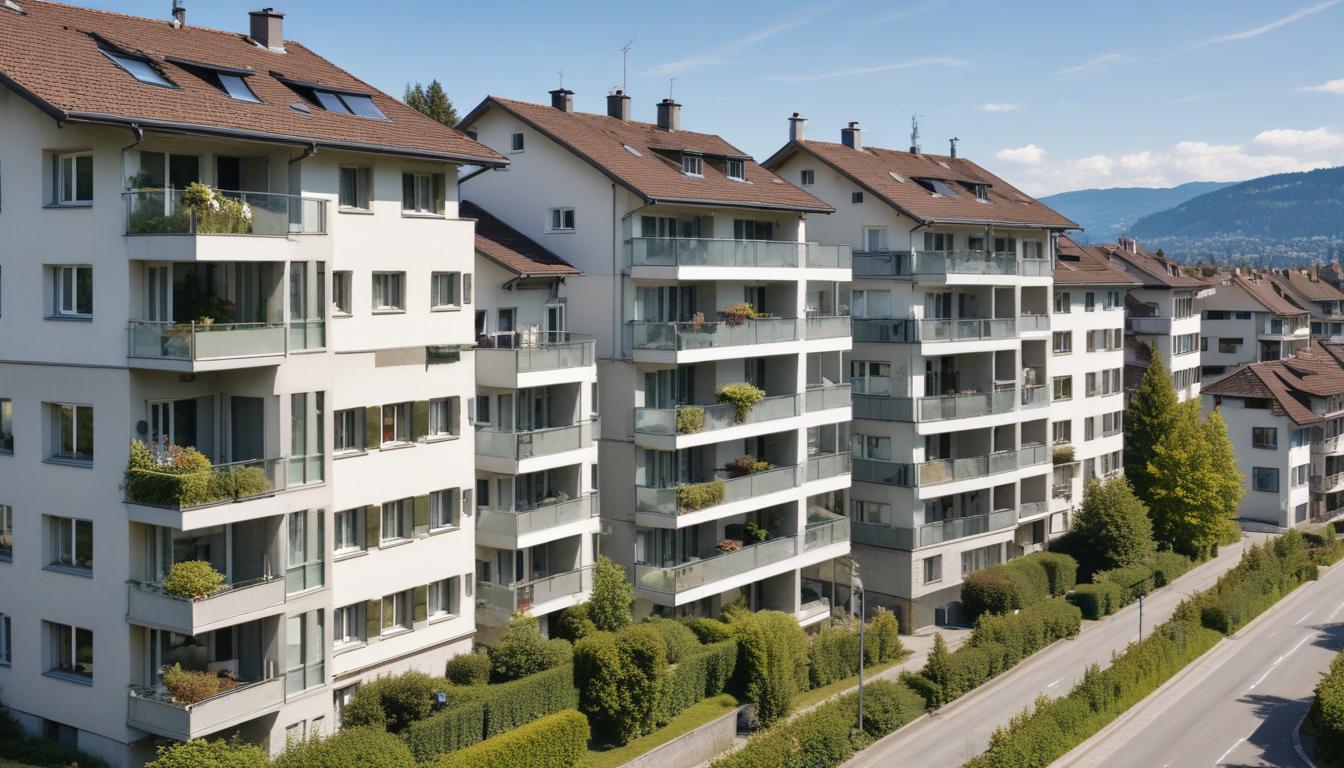
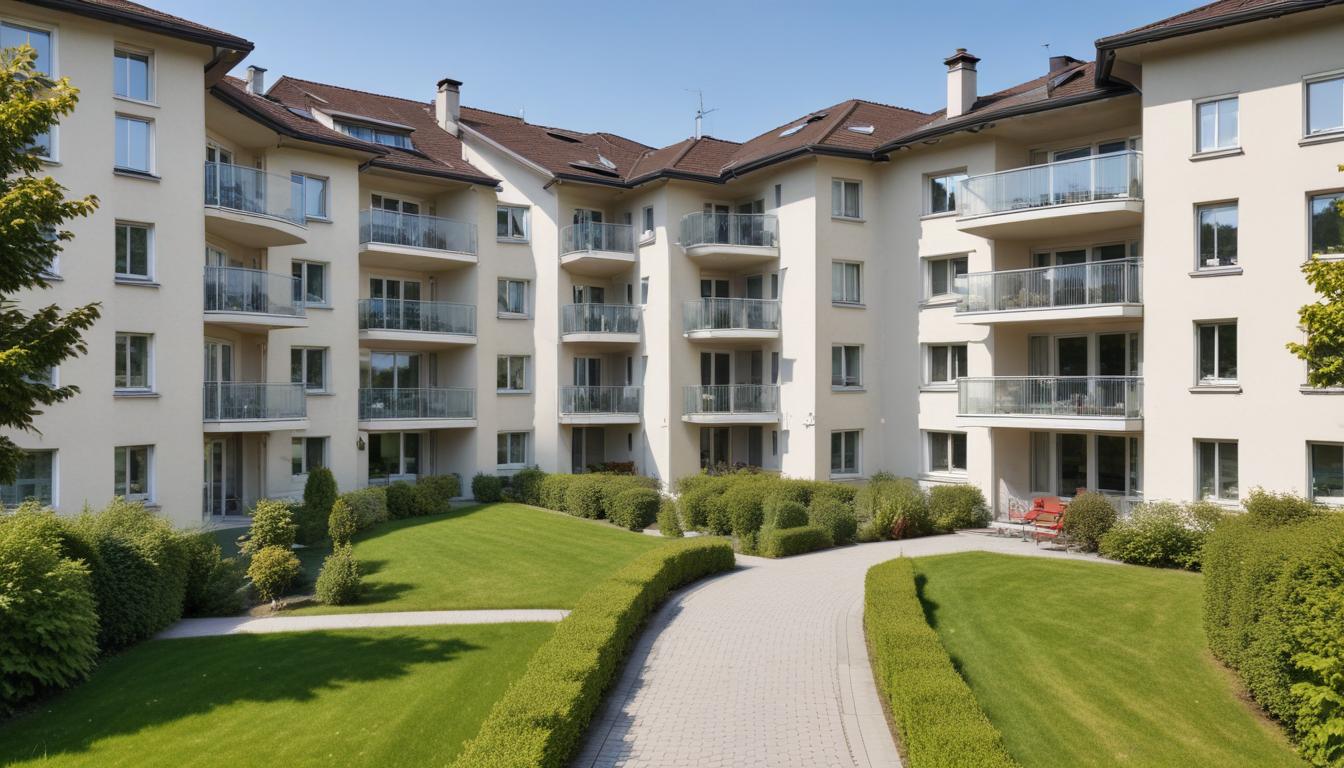
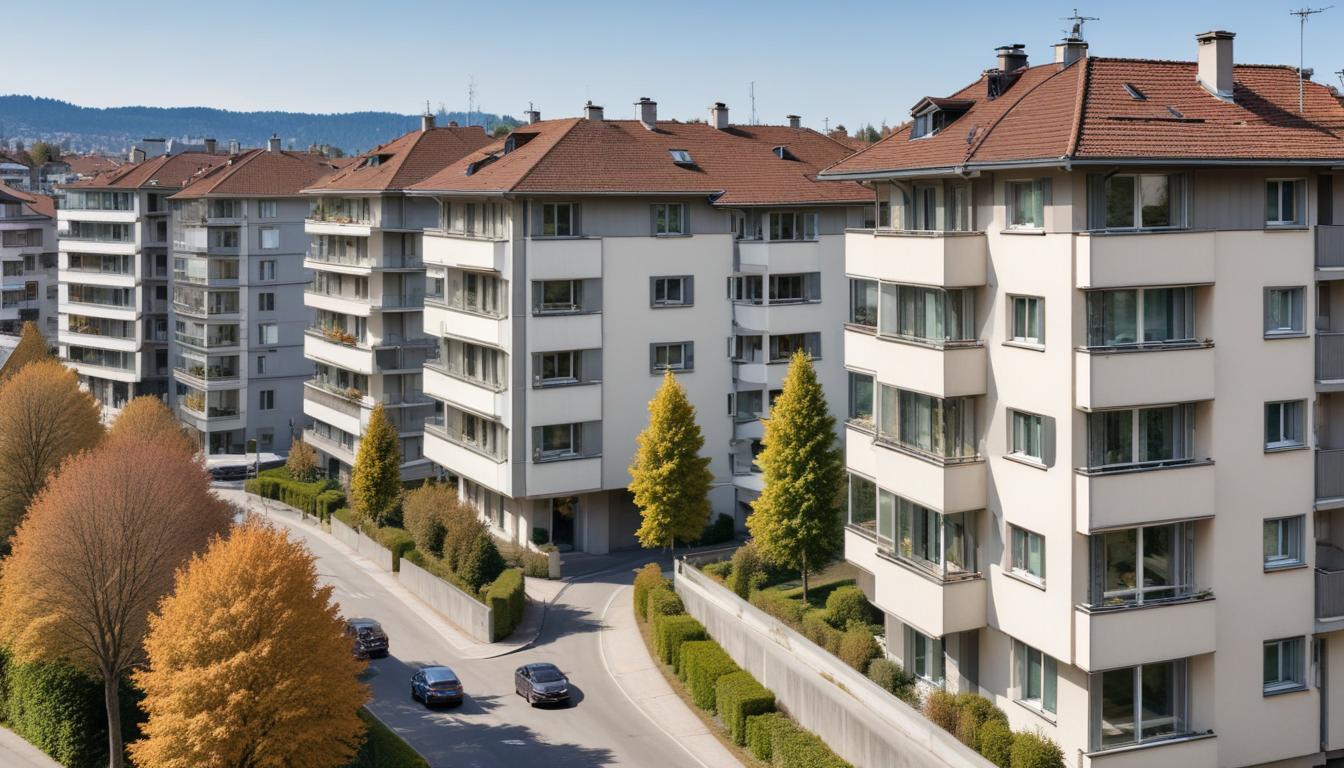
The older building stock—predominantly 1960s–1980s residential blocks—presents another draw. Renovation projects that might seem prohibitively expensive in central Zurich suddenly pencil out when acquisition costs are lower. Several developers have quietly acquired portfolios along Schaffhauserstrasse and near the Sihlfeld leisure centre, betting on medium-term appreciation as the district solidifies its transformation narrative.
City planners' commitment to Wiedikon's green spaces—notably the Sihl riverfront and expanded cycling infrastructure—has bolstered its appeal beyond pure financial metrics. For a city grappling with affordability crises and exodus to the periphery, Wiedikon's emergence as an accessible yet genuinely urban neighbourhood offers a rare bright spot. Whether the momentum sustains depends on execution of the Europaallee masterplan and continued transit investment. For now, though, Wiedikon's moment has arrived.
This article was compiled by AI from the sources linked above and screened before publishing. See our editorial standards.