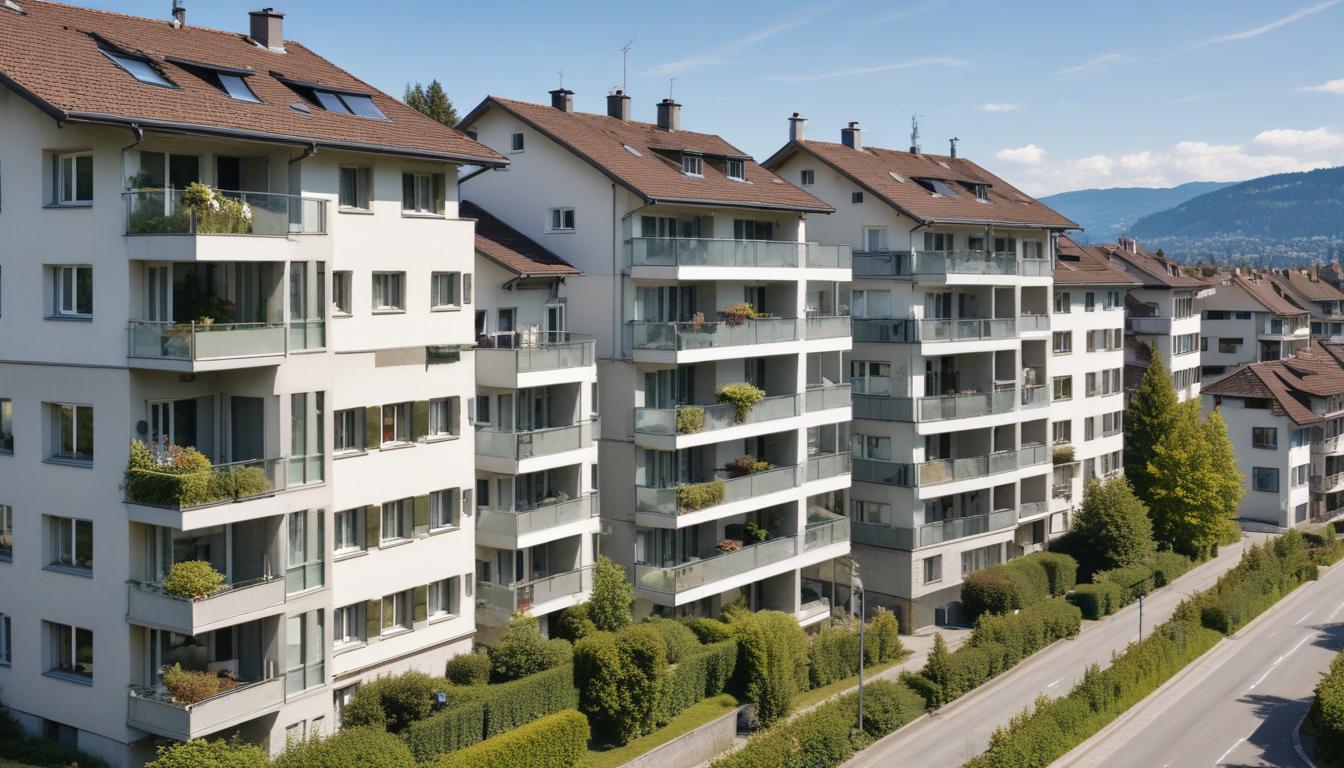
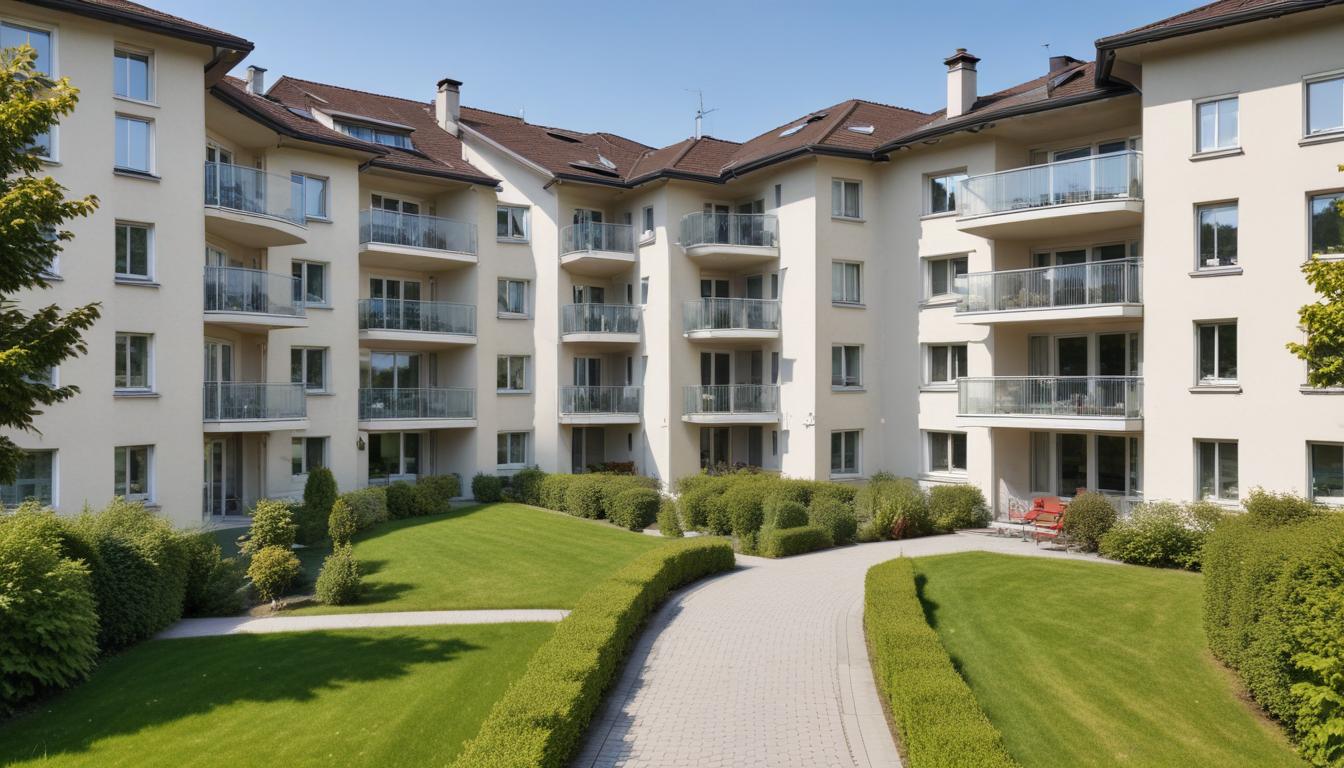
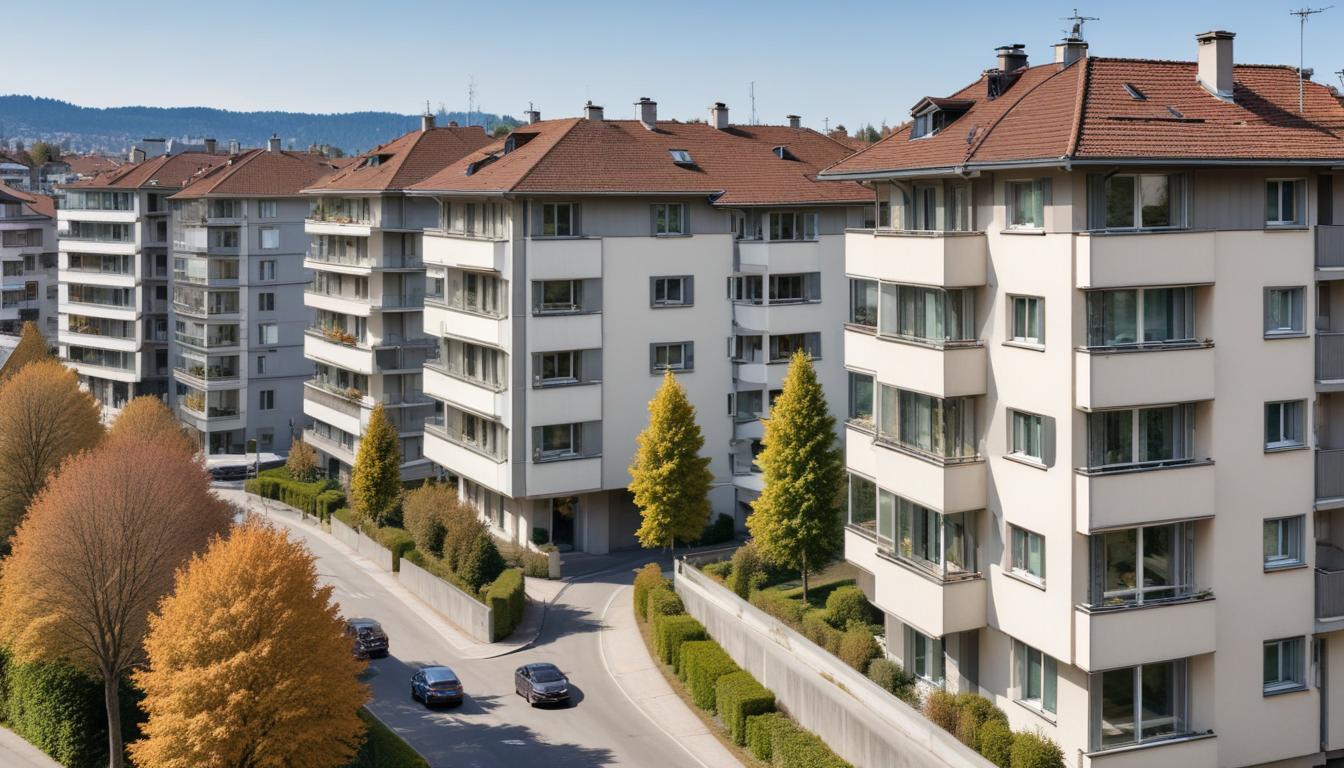
New Zurich Developments Promise Yield Shifts: What Investors Need to Know
Major construction projects reshaping Wiedikon and Altstetten are rewriting the rental landscape—and landlord strategies with it.
Major construction projects reshaping Wiedikon and Altstetten are rewriting the rental landscape—and landlord strategies with it.
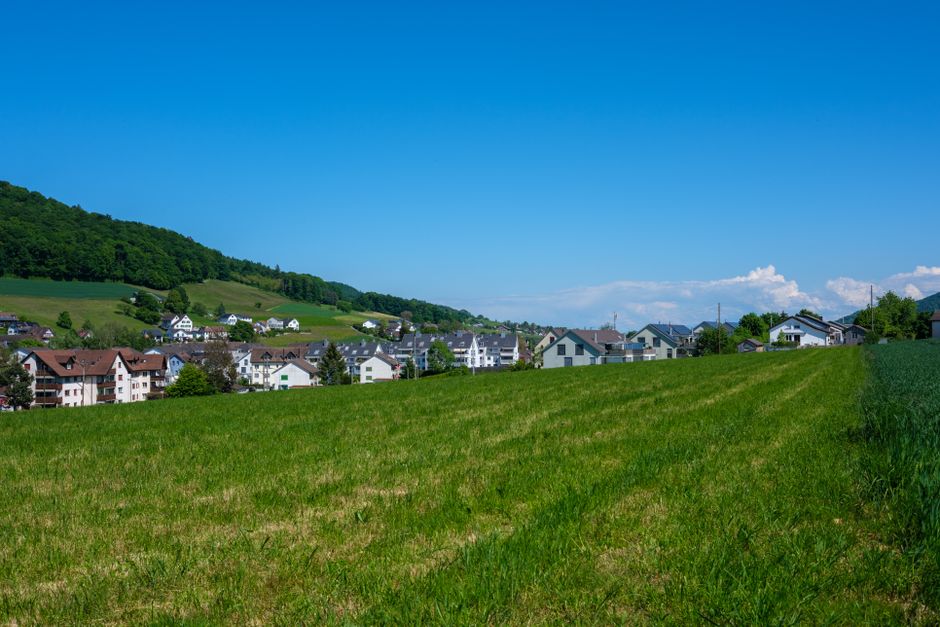
Zurich's property investment picture is shifting. Several major development projects underway across the city are not just adding apartments to the market; they're fundamentally altering yield expectations and tenant demographics in ways savvy landlords must understand.
The most significant catalyst is the ongoing transformation of Altstetten's industrial zones. Once dismissed as a peripheral neighbourhood, Altstetten is attracting institutional developers and attracting younger professionals priced out of Kreis 5 and Enge. Projects like the mixed-use complexes rising along Badenerstrasse are introducing modern amenities—gyms, co-working spaces, ground-floor retail—that weren't typical of older Zurich rental stock. For investors, this means competitive pressures. New developments are commanding rents around CHF 2,400–2,700 per month for two-bedroom units, compared to CHF 1,800–2,100 for comparable older apartments nearby. The gap is significant and growing.
Wipkingen tells a different story. The neighbourhood, already trendy for its proximity to the Limmat and emerging café culture along Gessnerallee, is seeing careful infill projects rather than wholesale redevelopment. These tend to preserve character while upgrading systems and finishes. Investors here are reporting stable, long-term tenancy rather than rapid turnover—a premium trade-off in a market increasingly split between high-churn, high-yield urban cores and stable, moderate-yield residential zones.
The yield conversation itself has matured. Five years ago, Zurich landlords accepted gross yields of 2–3 per cent as market standard. Today's new developments, particularly in emerging areas like Wiedikon, are marketed with expectations closer to 3.5–4.2 per cent gross—attractive on paper, but often requiring active management, higher vacancy risk, and careful tenant screening in transitional neighbourhoods.
What's changing most dramatically is tenant composition. Development projects that include affordable-housing mandates—increasingly common under Zurich's building regulations—are creating mixed socioeconomic buildings. This diversity reduces volatility but can complicate management. Experienced landlords are investing in professional property management rather than self-managing, particularly in larger developments.
The broader implication: Zurich's average CHF 15,000 per square metre is increasingly meaningless without neighbourhood context. A new development in Altstetten at CHF 12,000 per sqm may outperform an older Seefeld property at CHF 18,000, depending entirely on tenant demand and management sophistication. Smart investors are treating these new projects not as speculative plays, but as market indicators revealing where Zurich's residential centre of gravity is actually shifting.
This article was compiled by AI from the sources linked above and screened before publishing. See our editorial standards.
How does this story make you feel?
Spread the word
About this article
Published by The Daily Zurich
Daily brief
Free, in your inbox before 7am. Weekdays.
More in Property