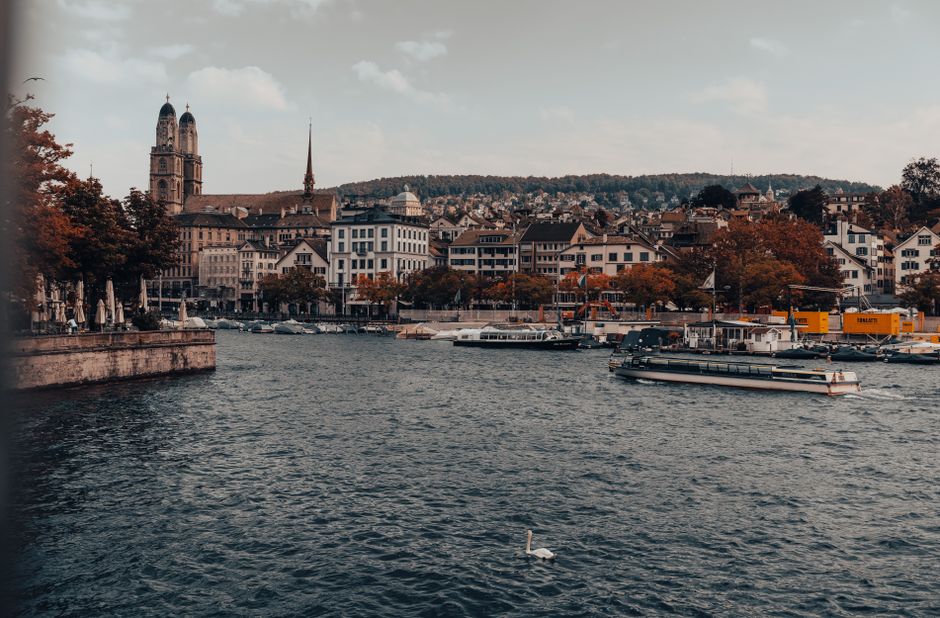
For decades, Altstetten occupied an unfashionable corner of Zurich's property map. While Seefeld's waterfront villas commanded CHF 25,000 per square metre and Enge remained the domain of established wealth, the district west of the Sihl River attracted modest attention from investors. That calculation is rapidly shifting.
The neighbourhood's emerging status reflects a convergence of factors: constrained supply in premium zones, evolving transport links, and a pipeline of major developments reshaping the urban fabric. Three significant projects now under construction or approved illustrate the transformation. The Europaallee precinct, spanning 72 hectares along the former railway yards between Hardbrücke and the Sihlfeld, includes mixed-use towers designed to accommodate 6,000 residents and 13,000 workspaces. Completion phases extend through 2030, but early leasing activity has already outpaced projections.
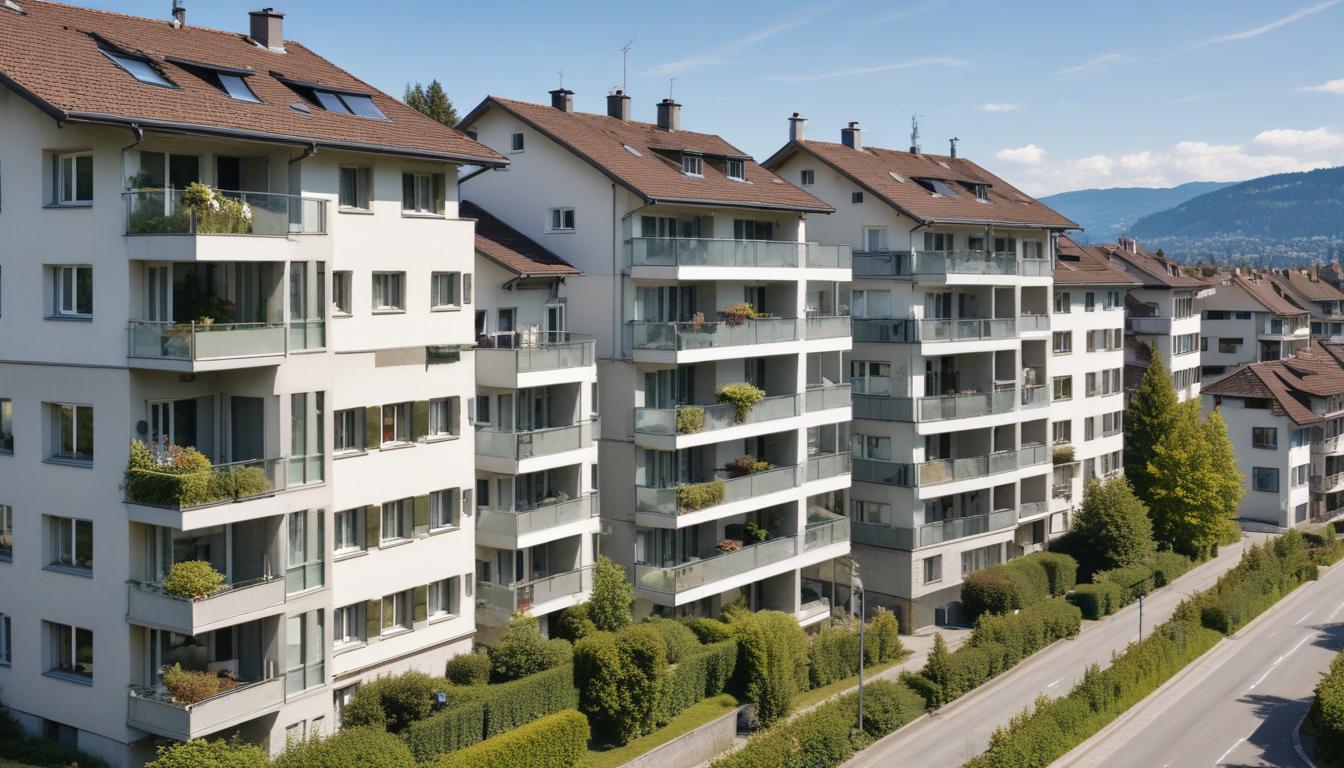
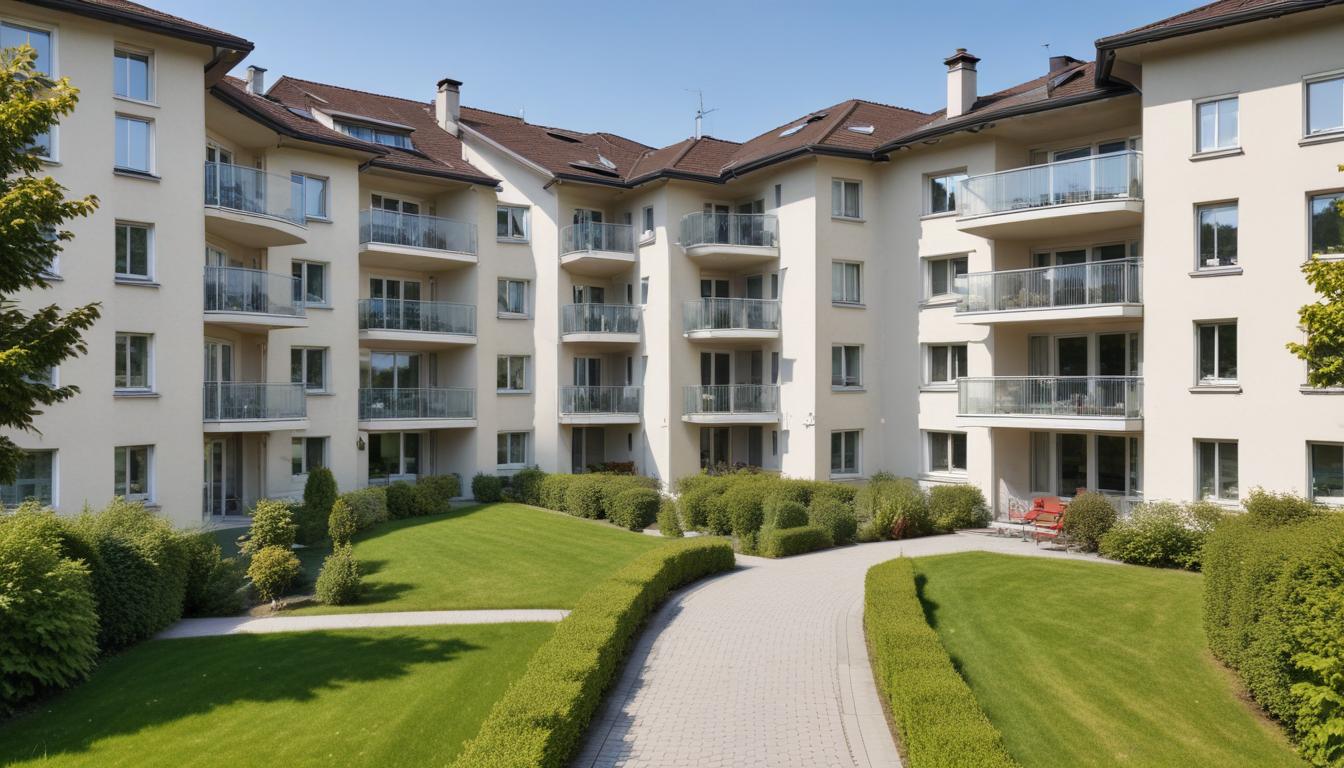
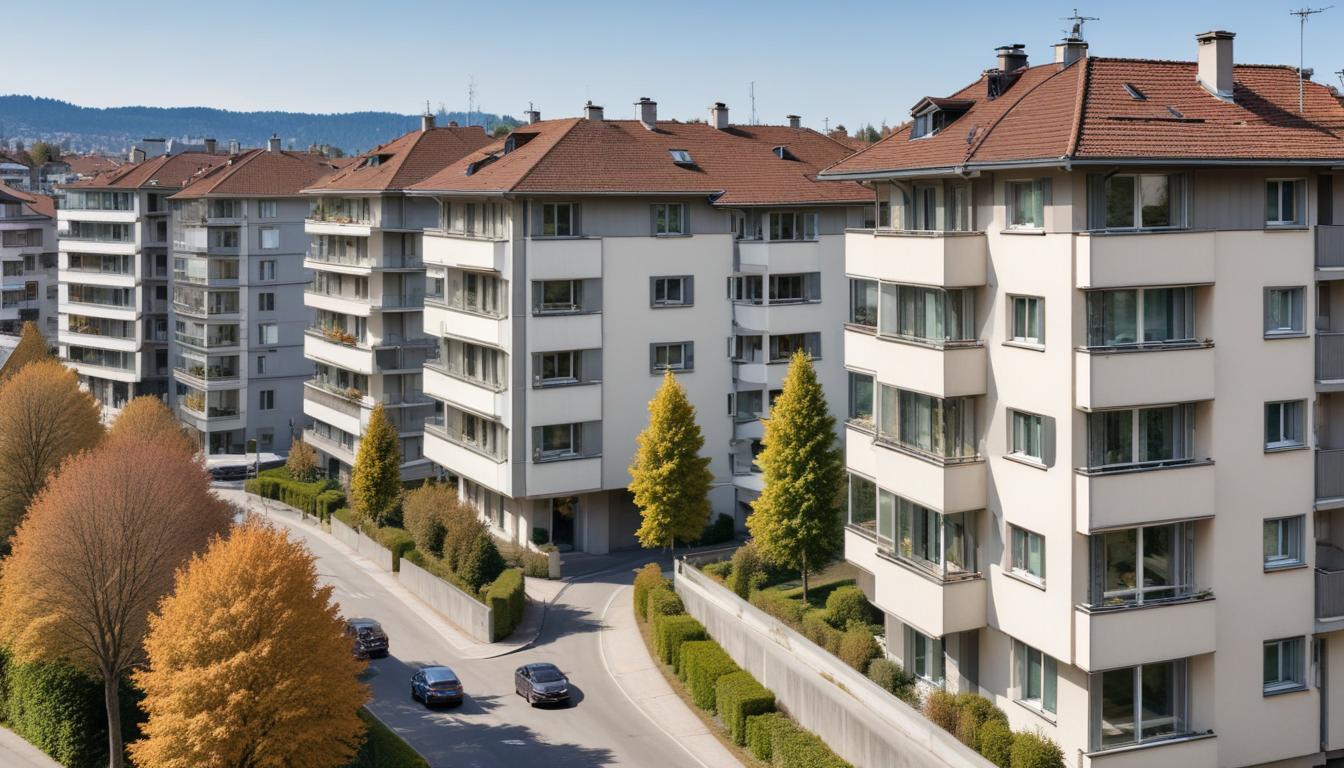
Simultaneously, the Sägereistrasse corridor—historically an industrial zone—is undergoing residential densification. The district planning office approved seventeen projects in 2025 alone, up from five in 2022. Current pricing in completed Altstetten developments averages CHF 12,800 per square metre, representing a 23% premium to equivalent properties two years ago, yet still offering 15% savings against city-wide medians.
"The narrative has shifted from 'affordable alternative' to 'emerging neighbourhood,'" according to recent market analysis from regional development consultancies. Younger professionals, particularly those working in the Europaplatz banking and technology clusters, now view Altstetten's transit accessibility—direct S-Bahn connections to Hauptbahnhof and Flughafen—as equivalent to premium positioning in less connected zones.
Infrastructure investment has accelerated this pivot. The Europaplatz tram expansion and planned pedestrian bridges across the Sihl enhance connectivity to leisure venues in Wiedikon and student populations around Universität Zurich. Property agents report sustained inquiry from owner-occupiers seeking three-bedroom units under CHF 2.4 million, a price point virtually extinct in Seefeld or Enge.
Not all observers welcome the pace of change. Community groups have flagged concerns about preservation of heritage industrial structures and social cohesion during rapid transition. The Altstetten Forum and local Quartiervereine continue advocating for mixed-income housing integration within new developments.
Still, market momentum appears durable. Construction permits issued for 2026–2027 suggest residential units will increase by 12% over the next eighteen months. For investors monitoring Zurich's property cycles, Altstetten's trajectory now merits serious consideration—particularly for those who missed earlier opportunities in Kreis 5 or Wipkingen, where similar transformations elevated valuations substantially over the past decade.
This article was compiled by AI from the sources linked above and screened before publishing. See our editorial standards.