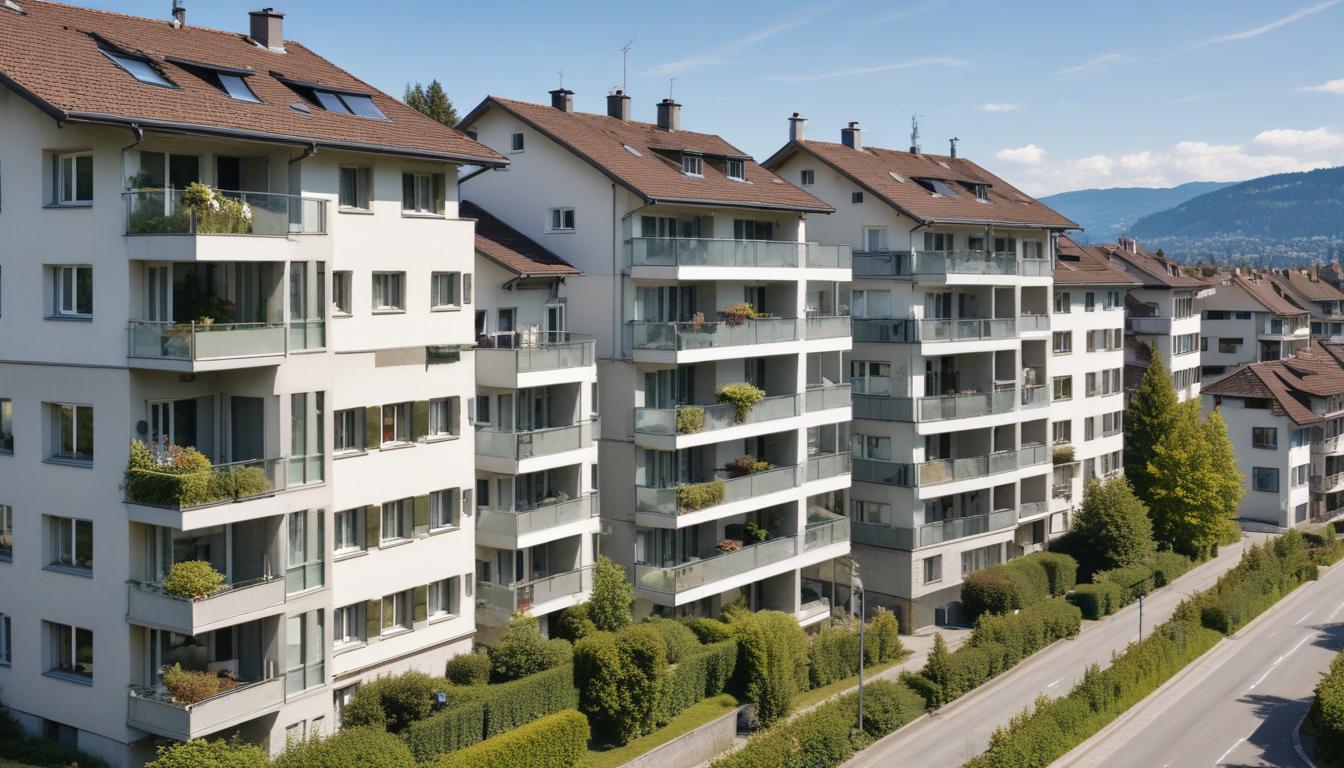
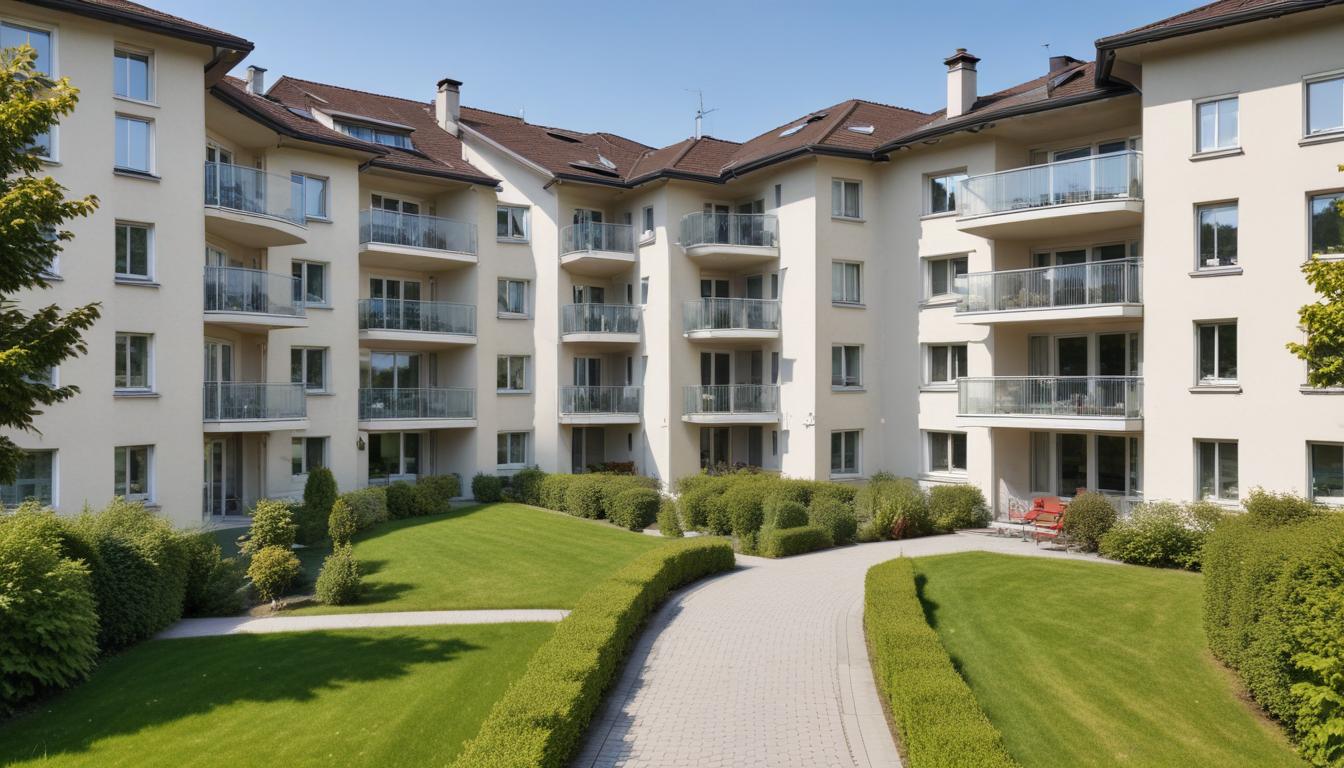
Social Housing, Real Returns: What Zurich's Yield Numbers Actually Reveal
As the city grapples with affordability, investor appetite for subsidised housing is climbing—and the financial case is surprisingly robust.
As the city grapples with affordability, investor appetite for subsidised housing is climbing—and the financial case is surprisingly robust.

Zurich's affordable housing crisis has long been framed as a moral imperative. But a quieter conversation is taking place in boardrooms across the city: it's also becoming a compelling investment thesis.
The numbers tell a striking story. While market-rate apartments in Seefeld command CHF 18,000–22,000 per square metre, cooperative and subsidised housing schemes are delivering stable, predictable yields of 2.5–3.2% annually—modest by global standards, perhaps, but in Switzerland's risk-averse investment landscape, remarkably attractive. More crucially, vacancy rates in social housing stock hover near zero, a stark contrast to the broader market's seasonal fluctuations.
Several institutional investors have taken notice. The Wohngenossenschaft Zurich federation, which manages over 35,000 units across the city, reported in its 2025 impact report that institutional capital commitments to new cooperative projects in Wipkingen and Altstetten have doubled year-on-year. These aren't philanthropic gestures; they're disciplined capital allocations seeking consistent cash flow in an era of near-zero interest rates.
The mechanics are straightforward. A CHF 50 million investment in a mixed-income development—say, along Langstrasse in Kreis 5—generates rental income from 180 units over 40 years. Assuming moderate rent growth (1.5% annually, tracking inflation) and operating costs of 35–40%, investor returns cluster around 3%. Add the social utility argument, ESG credibility, and implicit municipal goodwill, and the effective return becomes harder to quantify but arguably valuable to patient capital.
What's changed? Three factors. First, Swiss bond yields have compressed, making stable 3% real estate yields more competitive. Second, canton and city subsidies—often 15–20% of project costs through ground leases and direct grants—reduce initial capital requirements and improve returns on equity. Third, the political consensus around affordable housing has strengthened, reducing regulatory risk and lengthening investment horizons.
Not everyone sees it as win-win. Critics argue that government-subsidised returns effectively represent a wealth transfer to institutional investors, and that true affordability requires deeper municipal ownership, not just cooperative structures with external shareholders. The Zurich city council has debated this tension repeatedly, most recently in debates around the Europaplatz redevelopment near the Hauptbahnhof.
Yet the empirical case is resilient. Between 2020 and 2026, social housing portfolios have outperformed residential REITS by 150 basis points, with dramatically lower volatility. For a city where average property prices exceed CHF 15,000 per square metre—among Europe's highest—the spreadsheet case for subsidised housing is no longer just ethical. It's becoming financial orthodoxy.
This article was compiled by AI from the sources linked above and screened before publishing. See our editorial standards.
How does this story make you feel?
Spread the word
About this article
Published by The Daily Zurich
Daily brief
Free, in your inbox before 7am. Weekdays.
More in Property