What Zurich's auction data is really signalling about affordable housing
As land prices climb and social housing stock shrinks, the market is sending a clear message: the gap between aspiration and reality has never been wider.
As land prices climb and social housing stock shrinks, the market is sending a clear message: the gap between aspiration and reality has never been wider.
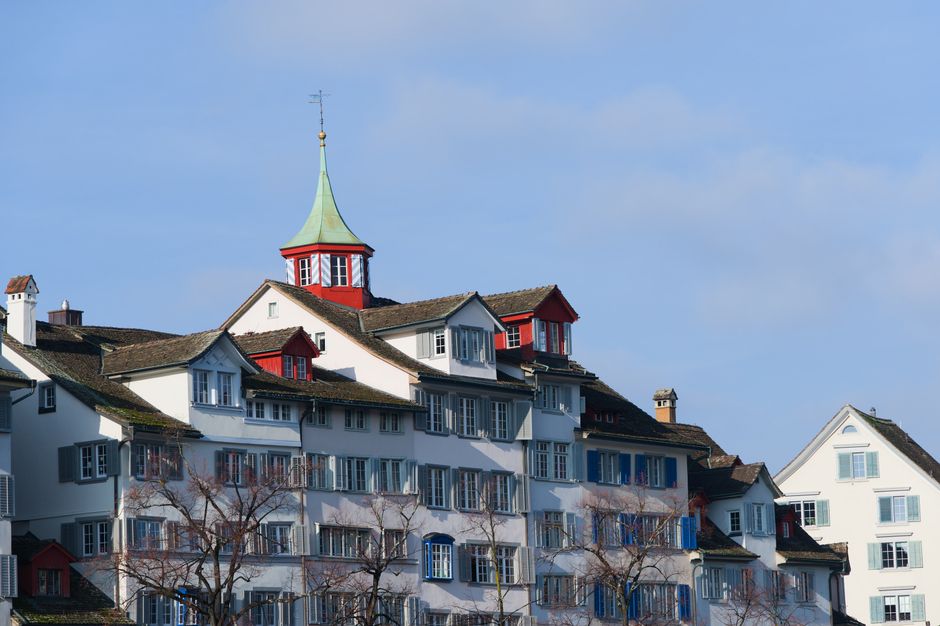
The numbers tell a sobering story. Last month, a modest 650-square-metre parcel in Wiedikon sold for CHF 9.8 million—a per-square-metre rate of CHF 15,100—pushing Zurich's average firmly into territory that makes genuinely affordable housing a luxury few can afford. For context, a family earning the median Zurich income would need to save for nearly two decades to afford a down payment on a modest two-bedroom apartment in Kreis 5, once the city's affordable backbone.
The auction results cascading through the cantonal property office paint a portrait of a market increasingly segmented by wealth. Waterfront properties in Seefeld and Enge command CHF 18,000–22,000 per square metre, while even less coveted neighbourhoods like Altstetten and Hongg now command CHF 12,000–14,000. The middle ground—where middle-income households might reasonably build equity—is vanishing.
This divergence has not gone unnoticed by housing advocates. The city's stock of gemeinnützige (non-profit) housing, managed by organisations like the Baugenossenschaft Zurich network, now sits at roughly 15 per cent of total housing. Thirty years ago, it was 22 per cent. Recent municipal auctions of development land have favoured private developers willing to bid market rates, leaving cooperatives struggling to compete.
Yet the data also signals shifting priorities at cantonal level. The latest Zurich housing statistics show that new-build social housing units—typically renting at CHF 18–22 per square metre—are oversubscribed by factors of 4 to 7. The waiting list for Wogeno and similar cooperative housing sits at over 6,000 households. This is not a lack of demand; it is a structural constraint masquerading as market failure.
Meanwhile, speculative activity remains brisk. Properties in Wipkingen, traditionally working-class territory, have seen 34 per cent price appreciation in three years. Auction activity suggests sophisticated investors, not owner-occupiers, are the primary drivers. The message from price data is unmistakable: Zurich's housing market rewards capital accumulation, not shelter-seeking.
The city council's revised affordable housing mandate—requiring 25 per cent of new developments on municipal land to be price-regulated—aims to interrupt this trajectory. But against an average land cost of CHF 15,000 per square metre, even ambitious policy faces gravity. Zurich's auction results are signalling not a problem with solutions, but a market whose fundamentals have shifted beyond what traditional policy levers can fix.
This article was compiled by AI from the sources linked above and screened before publishing. See our editorial standards.
How does this story make you feel?
Spread the word
About this article
Published by The Daily Zurich
Daily brief
Free, in your inbox before 7am. Weekdays.
More in Property