First-time buyers chase yields as Zurich's rental returns flatten
New grants and finance schemes are reshaping investor calculations, but the numbers reveal a market where capital growth, not rent, now drives buyer decisions.
New grants and finance schemes are reshaping investor calculations, but the numbers reveal a market where capital growth, not rent, now drives buyer decisions.
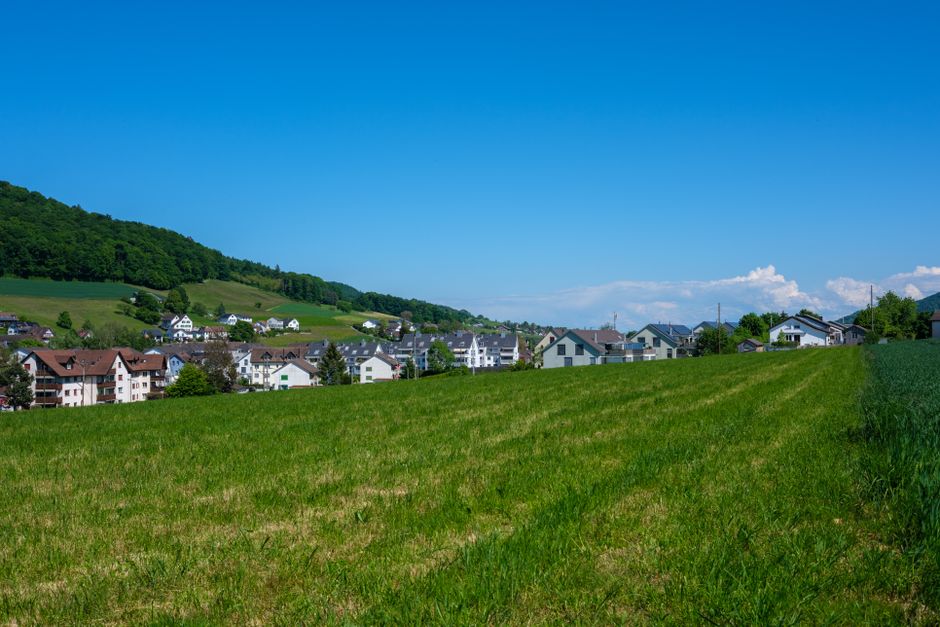
Zurich's first-time buyer market has undergone a quiet but profound shift. While grants and cantonal financing programmes still attract newcomers to neighbourhoods like Wipkingen and Kreis 5, the underlying economics tell a different story—one where rental yields have compressed so dramatically that traditional landlord calculations no longer hold.
Consider the numbers. A typical three-room apartment in Wipkingen now trades around CHF 1.2 million, generating annual gross rental income of roughly CHF 48,000—a yield of just 4 per cent before taxes, insurance, and maintenance. Deduct operating costs and cantonal taxes, and net returns hover near 2 per cent. That's barely above Swiss bond yields, yet carries exponential risk.
The cantonal first-time buyer grant programme, administered through the Zurich cantonal government, offers up to CHF 50,000 for qualifying buyers—a meaningful but finite cushion. Combined with favourable mortgage terms available to owner-occupiers, these schemes have made homeownership itself more attractive than pure rental investment. The unintended consequence: first-time buyers are increasingly viewing their purchase as personal shelter, not asset class.
Data from recent transactions on Seefeldstrasse and around Bellevue Plaza underscores this pivot. Properties in the waterfront Seefeld and Enge districts, historically dominated by yield-focused investors, now see owner-occupier competition driving prices to CHF 18,000–20,000 per square metre. Rental yields in these premium zones have fallen below 3 per cent.
What's changed? Rising construction costs, regulatory compliance, and record-low mortgage spreads have squeezed investor margins while simultaneously making owner-occupancy cheaper. A first-time buyer with cantonal support can lock in a 1.5 per cent mortgage rate—lower than the yield they'd earn as a landlord.
For prospective buyers navigating grants through organisations like the Zurich Baugenossenschaft or credit unions affiliated with employer groups, the message is clear: returns now come from capital appreciation, not passive rental income. That shifts strategy entirely. Buyers favour emerging neighbourhoods—Aussersihl and Hongg show promise—over saturated zones.
The implication is subtle but decisive. Zurich's property market is gradually separating into two tiers: owner-occupiers, increasingly supported by public grants and favourable financing, and institutional investors content with 2 per cent yields on trophy assets. First-time buyers willing to absorb price volatility are actually positioned better than those expecting steady rental returns. The numbers have spoken.
This article was compiled by AI from the sources linked above and screened before publishing. See our editorial standards.
How does this story make you feel?
Spread the word
About this article
Published by The Daily Zurich
Daily brief
Free, in your inbox before 7am. Weekdays.
More in Property