Zurich's Rental Squeeze: Why Investor Yields Are Telling a Different Story Than Vacancy Rates
With vacancy rates climbing to 2.3%, Zurich's rental market is shifting—but savvy investors are discovering where the real returns still hide.
With vacancy rates climbing to 2.3%, Zurich's rental market is shifting—but savvy investors are discovering where the real returns still hide.

Zurich's rental market is sending mixed signals, and investors are learning to read between the lines. While headline vacancy rates have climbed to 2.3% in the second quarter of 2026—the highest in four years—the picture for yield-focused landlords remains surprisingly nuanced, particularly when neighbourhood proximity and tenant demand are factored in.
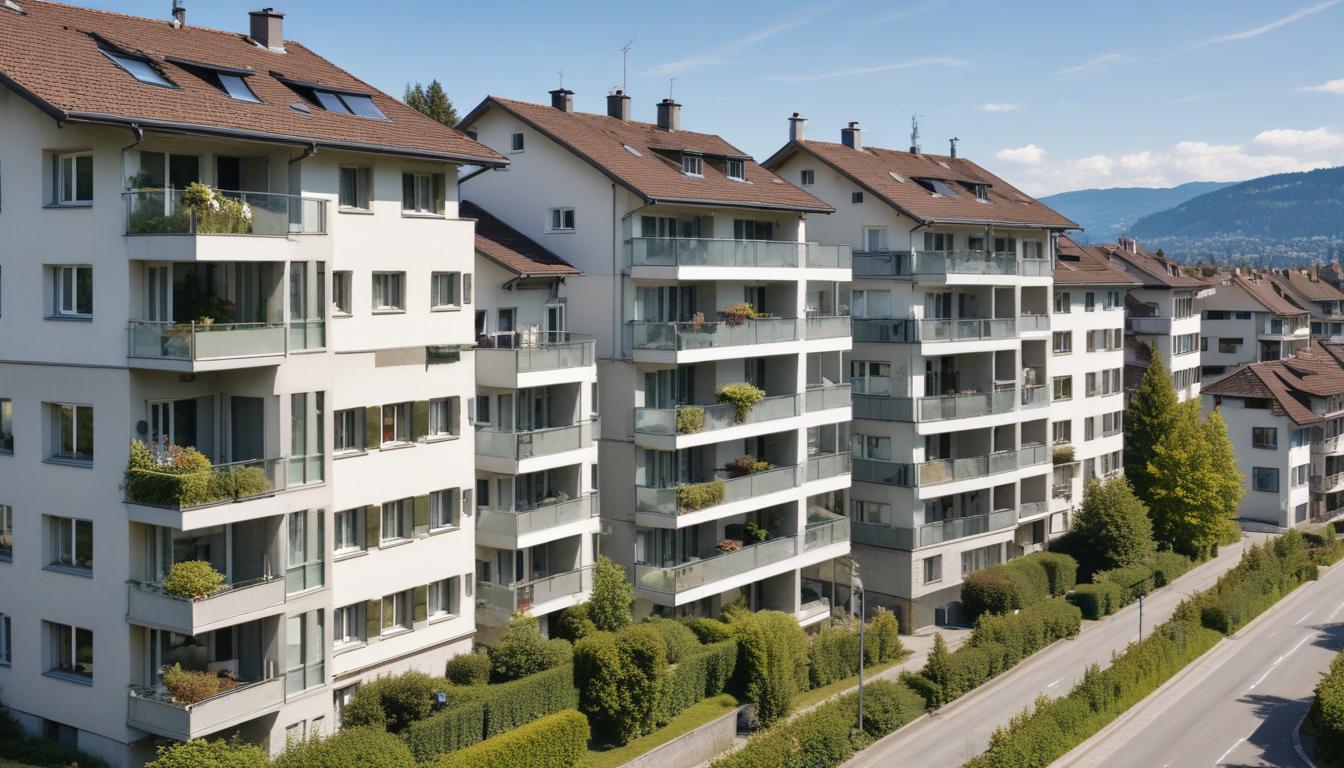
The headline figure masks significant geographic variation. In Seefeld and Enge, where waterfront apartments command premiums of CHF 18,000–22,000 per square metre, vacancy clusters around 1.8%. These trophy neighbourhoods continue attracting international tenants and corporate relocations, keeping turnover low and rents resilient. But venture into Altstetten or Hongg, and the vacancy story shifts dramatically: rates exceed 3.5%, putting downward pressure on gross yields that hover around 2.1–2.3% for standard residential stock.
The trendy Kreis 5 and Wipkingen belt—long favoured by young professionals—reveals the tension most acutely. Here, vacancy has ticked up to 2.6%, yet prices remain elevated at CHF 16,500–17,200 per square metre. For investors, this translates to net yields of 2.4–2.7% after maintenance and management costs. A decade ago, similar properties yielded 3.2–3.5%. The compression reflects Switzerland's broader yield reality: capital appreciation, not rental income, has driven returns.
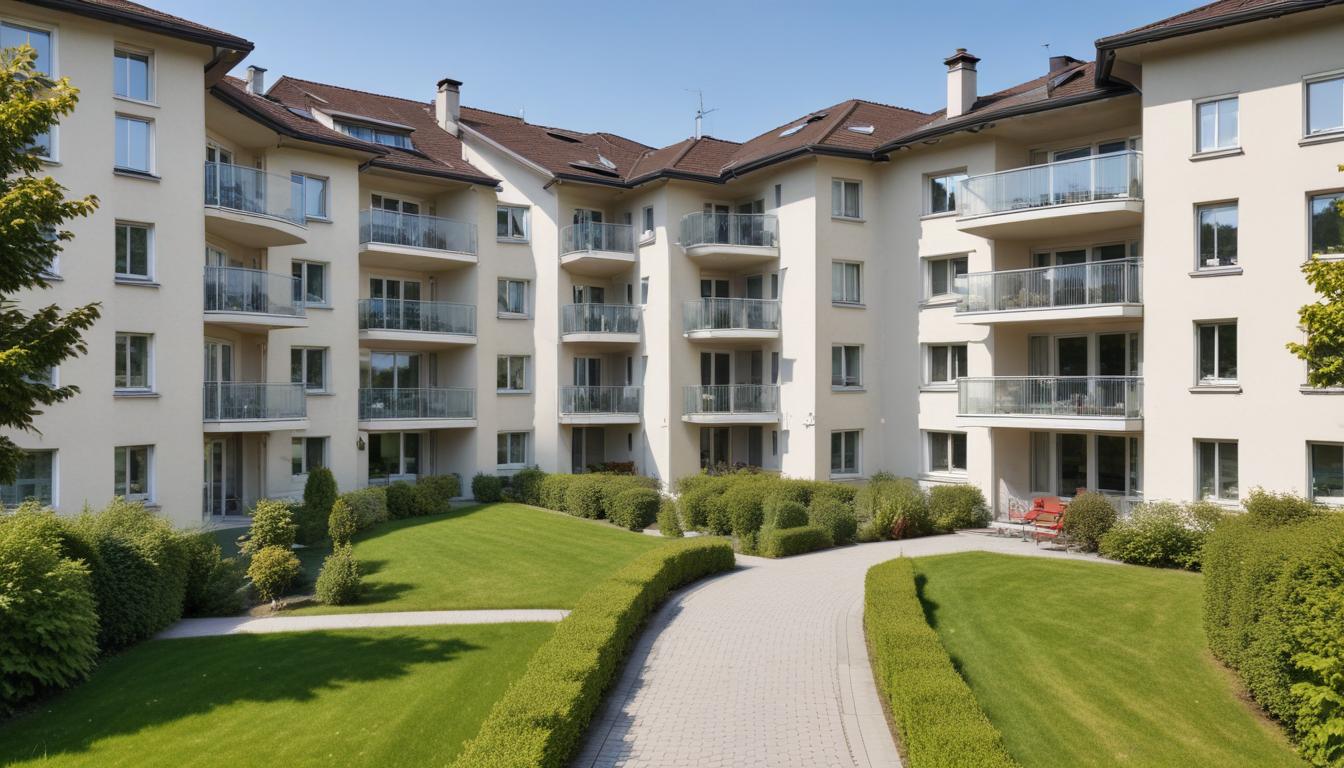
Institutional investors are responding strategically. Data from the Zurich Cantonal Statistical Office shows that 68% of new rental listings in 2026 target the CHF 3,500–5,200 monthly bracket—student housing, shared flats, and smaller units where turnover is higher but yields nominally steeper. Purpose-built student accommodation near Polytechnic Zurich (ETH) on the Zurichberg produces yields of 3.1–3.4%, explaining why family offices and REITs have quietly accumulated stock in that corridor.
Meanwhile, the vacancy-yield paradox favours selective operators. Long-term tenants in premium addresses—think Tiefenbrunnen or the quieter reaches of Fluntern—remain sticky despite rising opportunities elsewhere. A well-maintained three-bedroom in these zones generates stable 2.8–3.1% net returns, sufficient to justify holding through cyclical softening.
The message for investors is clear: blanket Zurich vacancy figures obscure pockets where demand and yield fundamentals remain intact. Geography, tenant profile, and property type now matter more than ever. As regulation tightens around short-term rentals and corporate housing demands evolve post-pandemic, the margin between mediocre and attractive returns hinges on understanding which streets—and which tenant segments—still deliver.
This article was compiled by AI from the sources linked above and screened before publishing. See our editorial standards.
How does this story make you feel?
Spread the word
About this article
Published by The Daily Zurich
Daily brief
Free, in your inbox before 7am. Weekdays.
More in Property