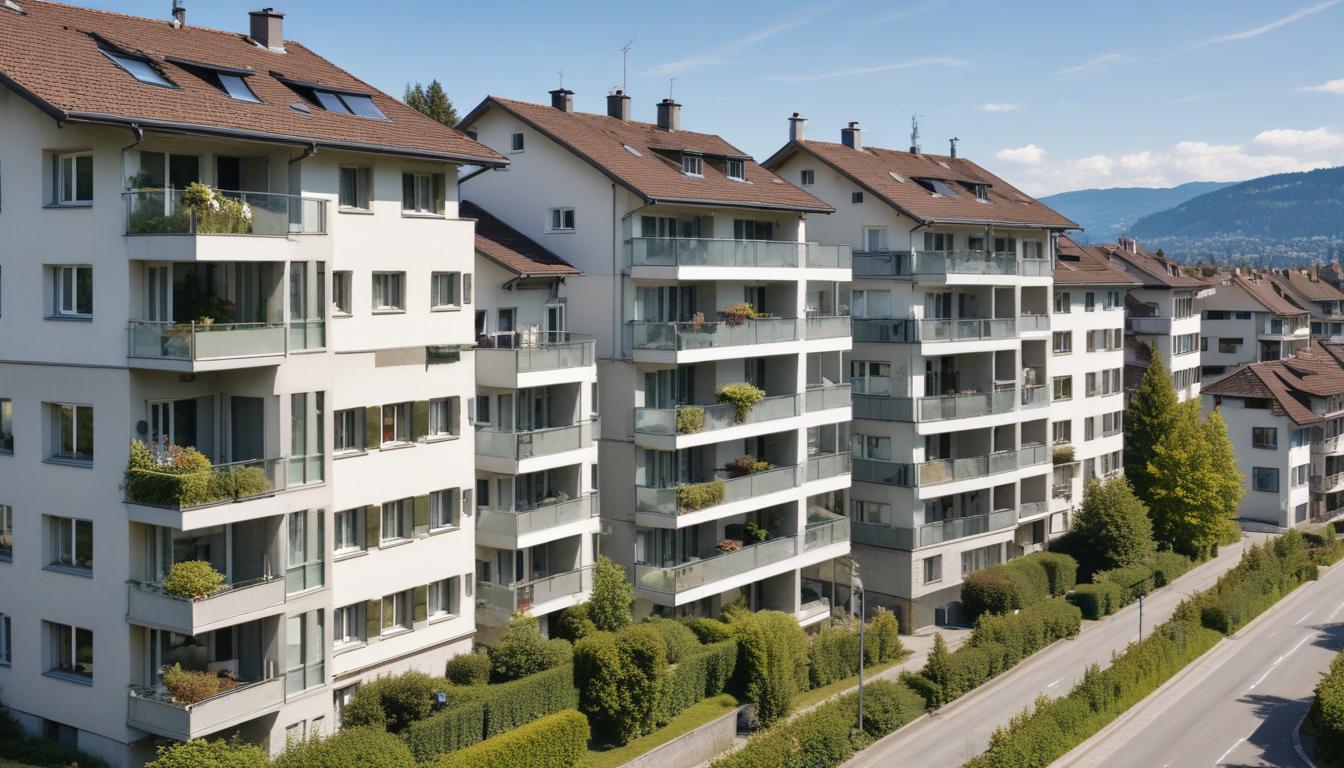
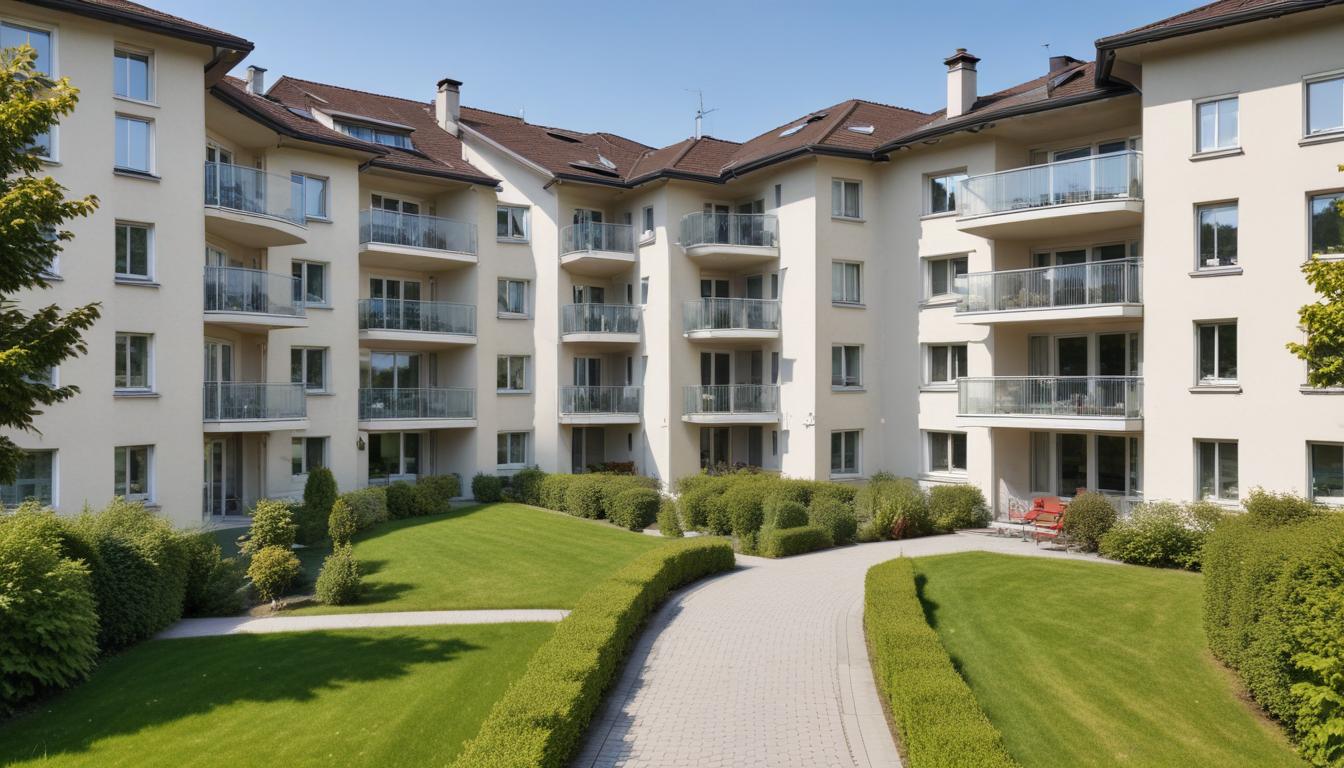
Pipeline Pressure: How New Zurich Developments Are Reshaping Prices—and What Buyers Must Know
Ambitious construction approvals along the Limmat and in Kreis 5 are rewriting the city's property calculus, but scarcity still reigns.
Ambitious construction approvals along the Limmat and in Kreis 5 are rewriting the city's property calculus, but scarcity still reigns.
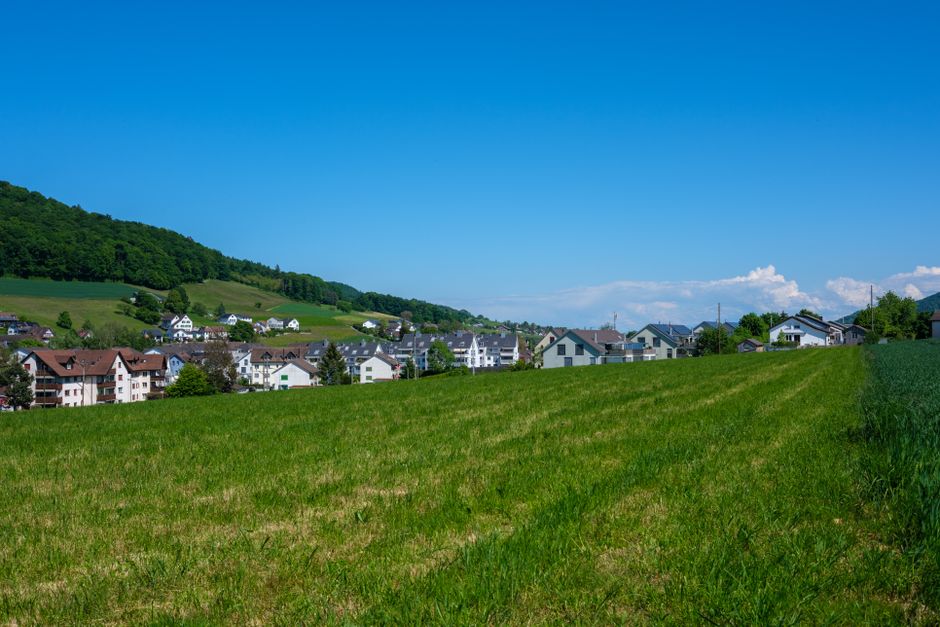
Zurich's property market is experiencing a rare moment of supply momentum. The approval of mixed-use developments along the Limmat quay—including ambitious regeneration plans near Freitag Tower and the Zurich West industrial quarter—signals a potential shift in the city's famously constrained housing landscape. Yet even as diggers move onto sites, the fundamental truth remains: new construction is doing little to ease price pressure at the citywide average of CHF 15,000 per square metre.
The paradox reflects Zurich's deeper market reality. While the city council has greenlit approximately 3,200 residential units across major projects through 2028, regulatory hurdles and timeline extensions mean actual delivery lags approvals by 18 to 24 months. The Europaallee masterplan in Zurich West, for instance, promises 1,400 apartments but remains subject to detailed planning reviews that could push completion to 2029 or beyond.
What matters for buyers now is understanding where price momentum is shifting. Kreis 5—long the bellwether for trend-conscious purchasers—continues to benefit from proximity to these developments. Properties along Geroldstrasse and near the Schiffbau cultural hub have appreciated 8-12 per cent over the past 18 months, partly reflecting anticipation of enhanced neighbourhood amenities. Conversely, Wipkingen and neighbouring Aussersihl, traditionally affordable entry points, are experiencing accelerated interest as investors anticipate ripple effects from Limmat-side construction.
The Seefeld and Enge waterfront districts—already trading at CHF 18,000-22,000 per square metre—have largely priced in scarcity and remain insulated from supply dynamics. Here, buyer motivation is less about future development and more about established status and lakeside permanence.
For prospective purchasers, the construction approval pipeline creates a time-sensitive calculus. Buying now in emerging zones like Zurich West or City offers potential upside as infrastructure and public realm improvements materialise. However, the protracted approval-to-completion timeline means price gains are unpredictable. Meanwhile, established neighbourhoods continue to command premium multiples regardless of new supply, reflecting Zurich's persistent appeal to wealth and limited land availability.
The real story is not that new developments will crash prices—they won't. Rather, they're creating subtle pockets of appreciation and repositioning which neighbourhoods capture buyer attention. For those entering the market, the question is whether to chase emerging areas betting on future completion, or accept premium pricing in neighbourhoods where supply constraints are simply permanent features of the Zurich experience.
This article was compiled by AI from the sources linked above and screened before publishing. See our editorial standards.
How does this story make you feel?
Spread the word
About this article
Published by The Daily Zurich
Daily brief
Free, in your inbox before 7am. Weekdays.
More in Property