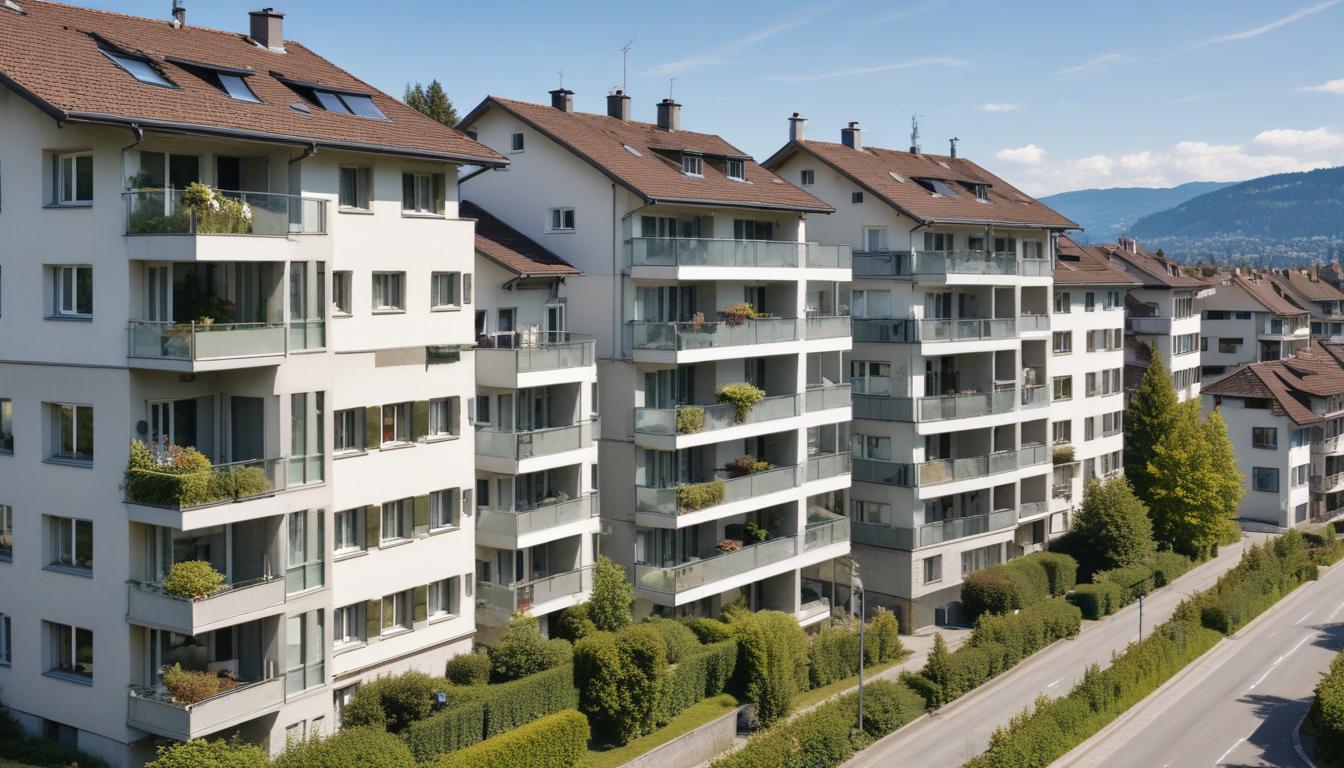
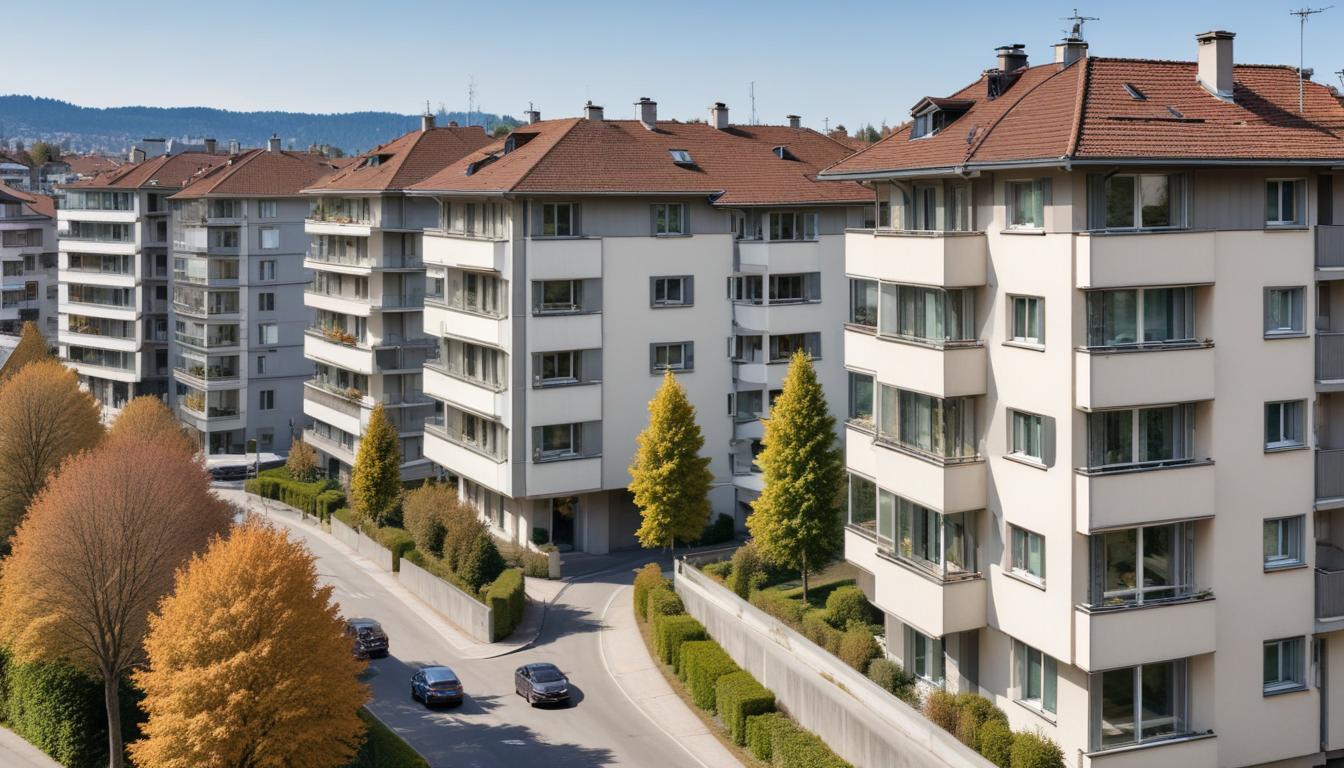
Zurich's construction landscape is undergoing its most significant transformation in a decade, with dozens of residential projects approved or underway across the city. Yet paradoxically, this building boom is intensifying rental market pressures rather than easing them, creating a complex dynamic that disadvantages tenants while presenting mixed outcomes for landlords.
Recent approvals for major developments along the Limmat corridor and in traditionally affordable neighbourhoods like Kreis 5 have triggered a wave of pre-emptive renovations and rent increases. Landlords, anticipating neighbourhood upgrading, are investing in existing stock—a rational financial decision that inadvertently prices out long-term residents. In Wipkingen, where several mixed-use projects have received green lights from the city planning office, rental rates have climbed approximately 8-12% over the past 18 months, outpacing new supply by a considerable margin.
The mismatch between construction timelines and rental demand creates particular hardship. Developments on Europaallee and near the Hauptbahnhof won't deliver units for 3-4 years, yet market speculation is already reshaping affordability today. Tenants face a paradox: the very developments meant to increase housing supply are fuelling displacement pressures in the present.
For landlords, conditions are more nuanced. Traditional property owners managing modest portfolios struggle with renovation costs and regulatory requirements for modernisation, yet face pressure to compete with new developments offering contemporary amenities. Institutional investors, however, view Zurich's construction approvals—particularly in Seefeld and Enge waterfront zones—as validation of long-term appreciation potential, driving acquisition prices beyond CHF 15,000 per square metre in prime locations.
The City of Zurich's building department has approved approximately 2,800 residential units in new construction over the past two years, yet demolition and conversion projects have reduced net new stock. Meanwhile, rental agreements in emerging areas are increasingly structured with shorter terms and steeper escalation clauses, reflecting landlord confidence in continued price appreciation.
Community organisations including the Mieterverband Zurich report a sharp increase in tenant counselling requests regarding renovation notices and lease non-renewals. Simultaneously, smaller landlords express frustration that regulatory compliance costs make ownership less attractive than selling to developers.
The construction approval pipeline—stretching from Altstetten to Hongg—promises eventual relief. Yet the interim period appears destined for continued tension: new developments validating neighbourhood investment while displacement pressures mount for existing residents unable to absorb rising rents. This divergence between future supply and present affordability may define Zurich's rental market for years to come.
This article was compiled by AI from the sources linked above and screened before publishing. See our editorial standards.