Zurich's Luxury Pipeline Reshapes Neighbourhoods—What New Prestige Projects Mean for the City's Future
From Seefeld waterfront reimagining to Kreis 5 densification, exclusive developments are redefining where the city's wealthiest choose to live.
From Seefeld waterfront reimagining to Kreis 5 densification, exclusive developments are redefining where the city's wealthiest choose to live.
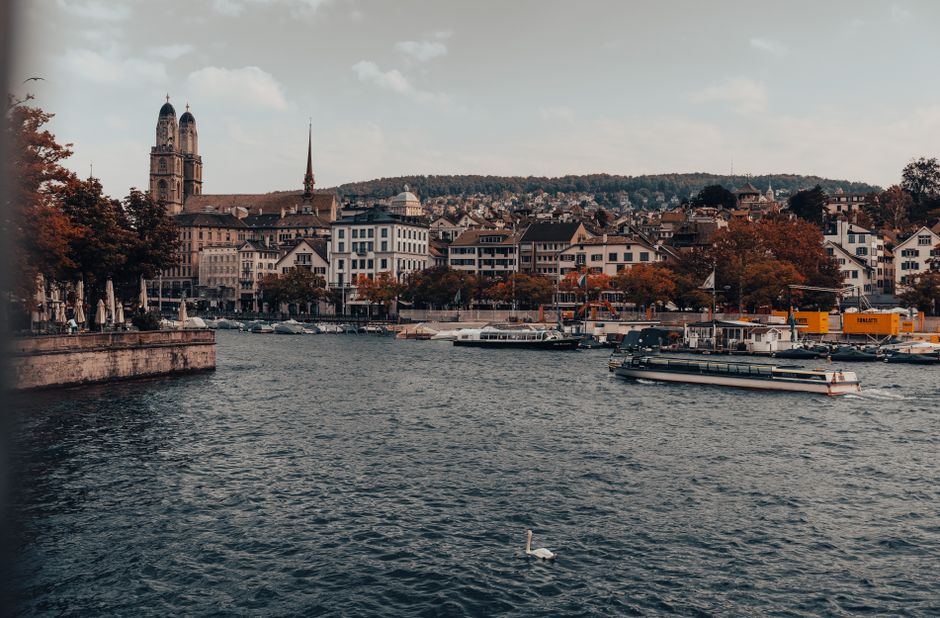
Zurich's luxury property market has long operated in the shadows of restraint—a quiet accumulation of wealth reflected in understated facades along the Limmat. But a wave of new prestige developments is changing the texture of the city's most coveted neighbourhoods, signalling a subtle but significant shift in how ultra-high-net-worth residents envision their urban lives.
The Seefeld waterfront, where properties routinely command CHF 20,000 per square metre and beyond, is witnessing unprecedented architectural ambition. Several flagship projects are repositioning this traditionally exclusive enclave, blending heritage preservation with contemporary luxury. These developments aren't merely adding units—they're reshaping the neighbourhood's character by introducing mixed-use components: private wellness facilities, curated retail spaces, and community-adjacent amenities that blur the boundary between residential fortress and urban engagement.
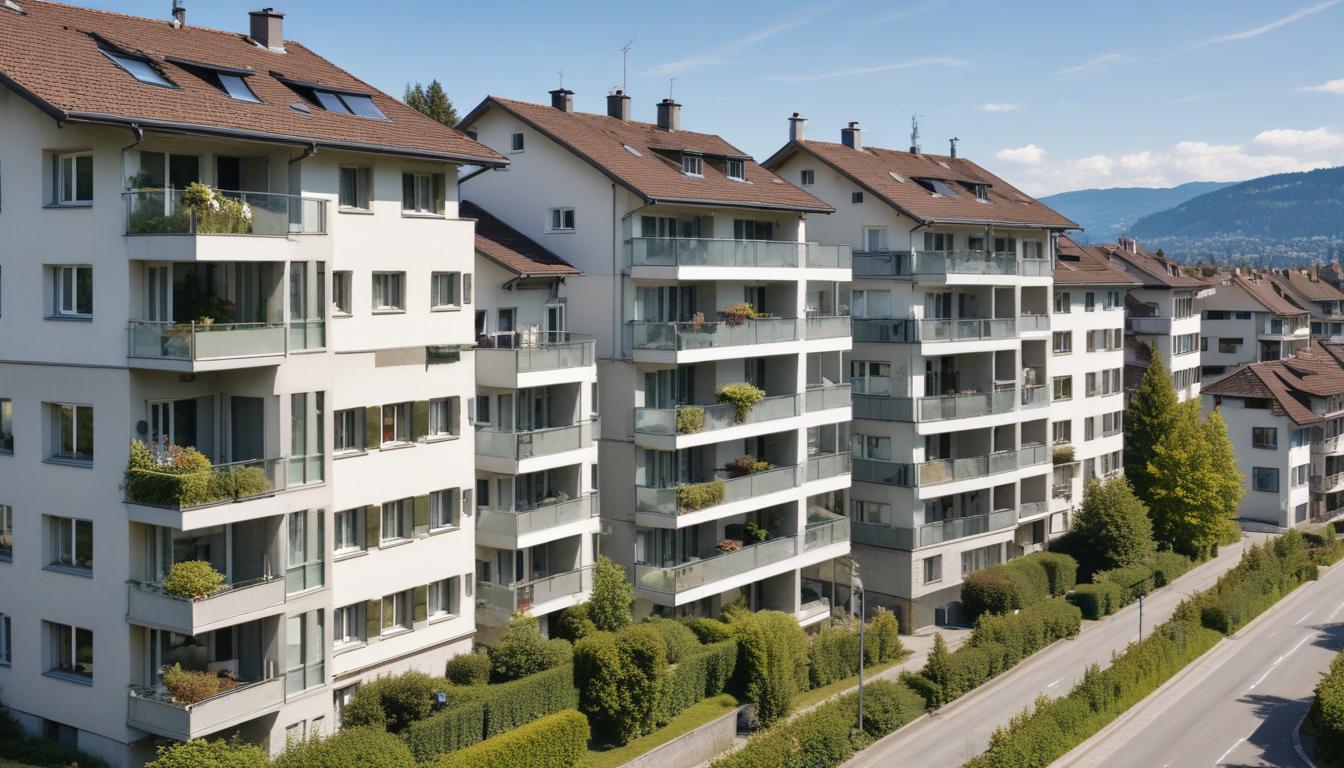
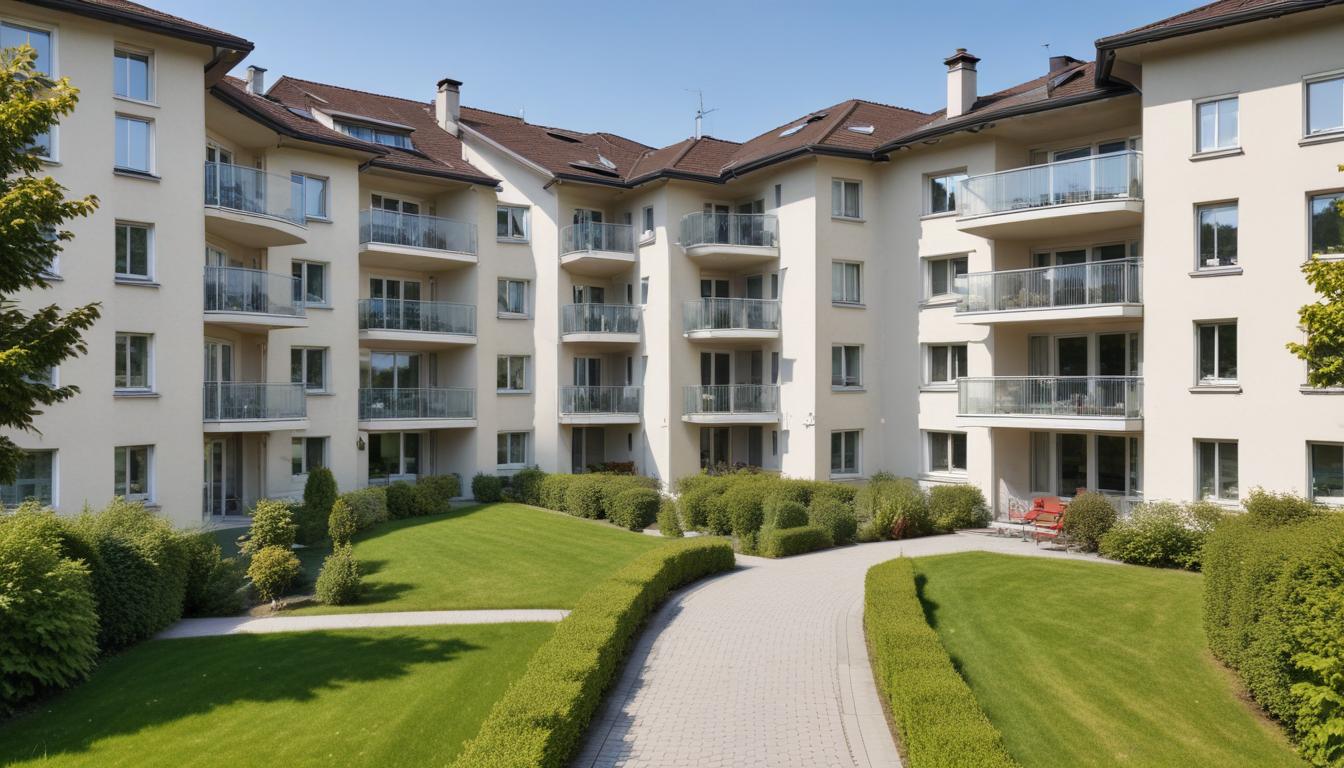
Meanwhile, Kreis 5's transformation continues at pace. Once dismissed by traditionalists as bohemian, Wipkingen and neighbouring precincts now attract serious capital. New developments here operate under a different philosophy than Seefeld's waterfront conservatism. Here, luxury meets accessibility—penthouses above ground-floor cultural venues, private terraces overlooking revitalised public spaces. Prices have climbed to CHF 14,000-18,000 per square metre in prime locations, but the neighbourhood's artistic identity remains its selling point.
What these projects collectively signal matters beyond aesthetics. First, they suggest that Zurich's luxury market is no longer purely transactional. Buyers—increasingly international—want narrative. They seek neighbourhoods with momentum, cultural credibility, and environmental consciousness. Second, these developments are catalysts for neighbourhood-wide upgrades. Infrastructure improvements, public realm enhancements, and service sector growth follow in their wake, benefiting broader communities.
The regulatory environment, however, remains Switzerland's most significant constraint. Zurich's cantonal building codes and the city's strict architectural guidelines mean these projects move slowly and expensively. Yet this friction has merit: it prevents the speculative frenzy visible in other global property markets. Developments are held to exacting standards, ensuring that new luxury genuinely elevates neighbourhoods rather than extracting value from them.
The implications are clear. Zurich's prestige market isn't chasing volume—it never has. Instead, these new projects represent selective densification, where exceptional design and neighbourhood integration justify premium pricing. For Seefeld's lakeside residents and Kreis 5's creative class alike, the next chapter promises neighbourhoods that remain distinctly Zurich while accommodating genuine architectural ambition.
This article was compiled by AI from the sources linked above and screened before publishing. See our editorial standards.
How does this story make you feel?
Spread the word
About this article
Published by The Daily Zurich
Daily brief
Free, in your inbox before 7am. Weekdays.
More in Property