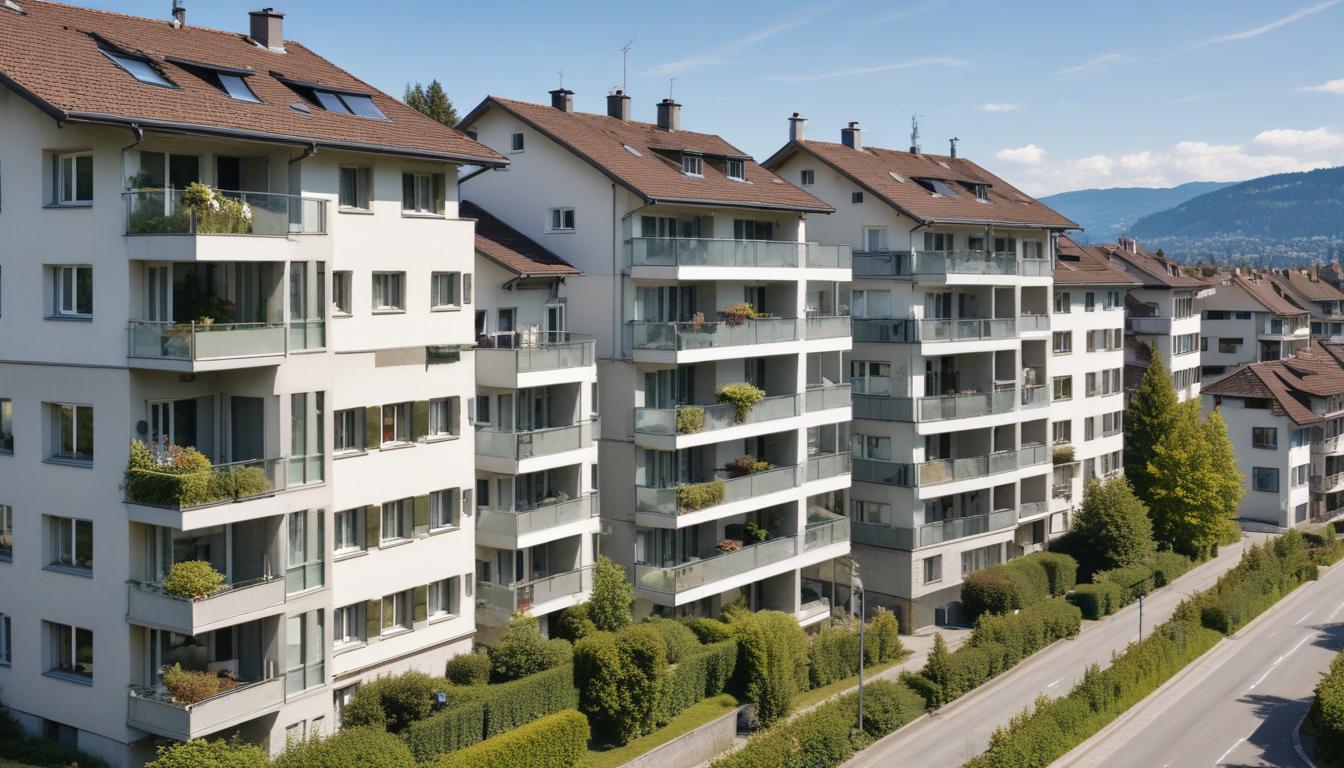
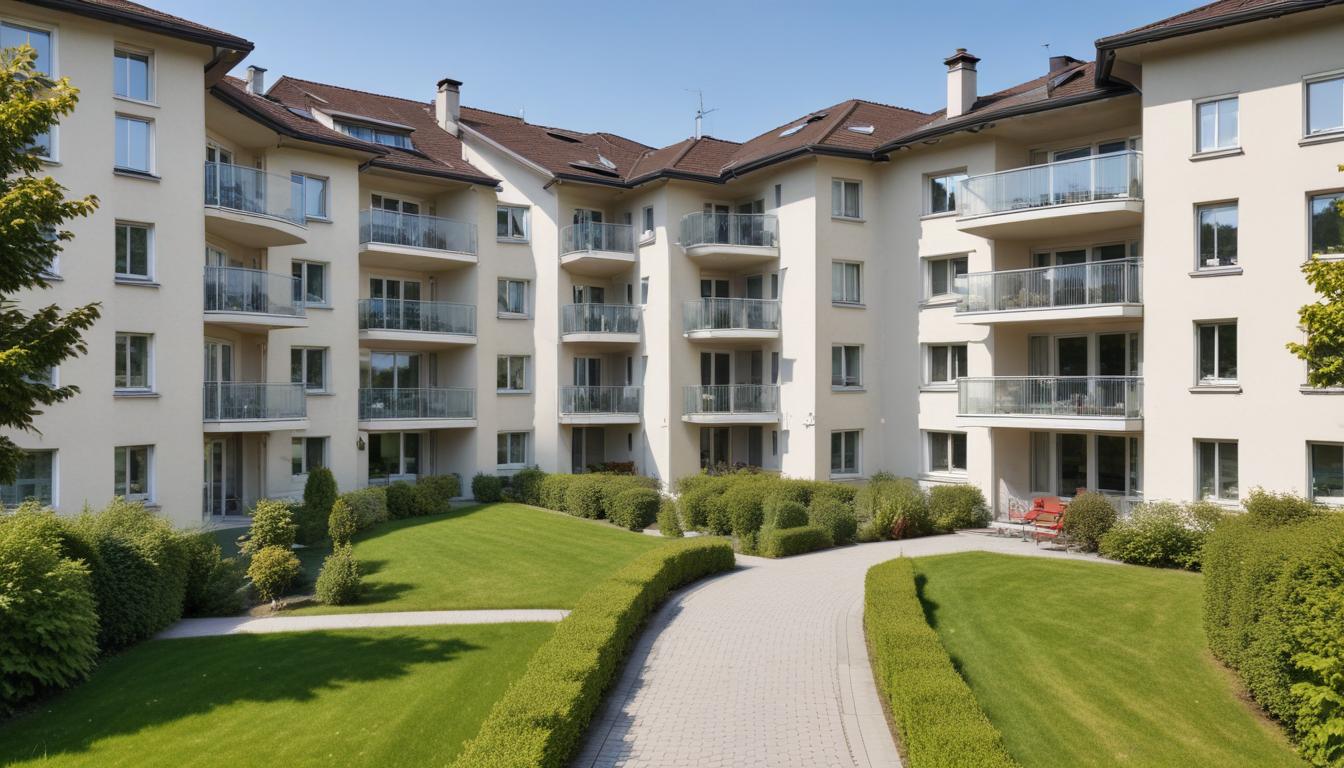
When Zurich's cantonal government tightened affordable housing mandates earlier this year, the ripple effects were immediate. Developers paused projects. Architects recalculated budgets. Property speculators who'd banked on quick flips in gentrifying zones like Kreis 5 and Wipkingen suddenly found their timelines stretched and margins compressed. Yet the unintended consequence may surprise anyone familiar with Switzerland's notoriously stratified real estate market: price volatility has actually declined.
The policy shift requires 30 percent of units in new residential developments above 50 units to remain affordable at cantonal income thresholds—roughly CHF 4,500–5,500 per month for a two-bedroom. For Zurich, where the average property price hovers near CHF 15,000 per square meter and waterfront penthouses in Seefeld command multiples of that, the mandate felt radical. Three major projects on the Wiedikon-Aussersihl border and another in industrial-zoned areas near Altstetten were revised or delayed between January and May.
What's emerged is a stabilizing effect. Rather than feast-or-famine development cycles driven by speculative fever, the city is now seeing steadier, mixed-income neighbourhood building. The Amt für Städtebau has published data showing that since the regulation took effect, applications for smaller conversion projects have actually increased—developers unable to pursue large-scale luxury builds are instead retrofitting existing properties in areas like Aussersihl and Hongg, where older stock offers lower acquisition costs.
Yet the policy hasn't solved affordability. CHF 4,500 monthly rent still excludes many service workers, students, and single parents. Critics argue the mandate masks a deeper problem: insufficient volume. Zurich's construction rate remains constrained by zoning restrictions and nimbyism around density, particularly in affluent northern zones like Fluntern and Witikon where political opposition to multi-family housing remains fierce.
The market impact has been asymmetrical. Premium segments in Seefeld and Enge have remained insulated—wealth always finds supply. But mid-range properties, the backbone of young professionals' aspirations, have become slightly more accessible. A two-bedroom in Wipkingen that might have sold for CHF 1.8 million in 2024 now trades nearer CHF 1.65 million, reflecting extended timelines and tighter margins for developers.
As Zurich's cantonal government reviews the mandate's first-year results, one lesson is clear: policy doesn't eliminate market forces, but it can redirect them. The question now is whether politicians will strengthen the rules further—or whether the subtle stabilization already achieved signals the pragmatic limit of what regulation alone can deliver.
This article was compiled by AI from the sources linked above and screened before publishing. See our editorial standards.