First-time buyers, investor yields and what the Zurich numbers really show
With cantonal grants and federal mortgages on offer, new data reveals what returns look like for owner-occupiers versus buy-to-let players in Switzerland's priciest market.
With cantonal grants and federal mortgages on offer, new data reveals what returns look like for owner-occupiers versus buy-to-let players in Switzerland's priciest market.

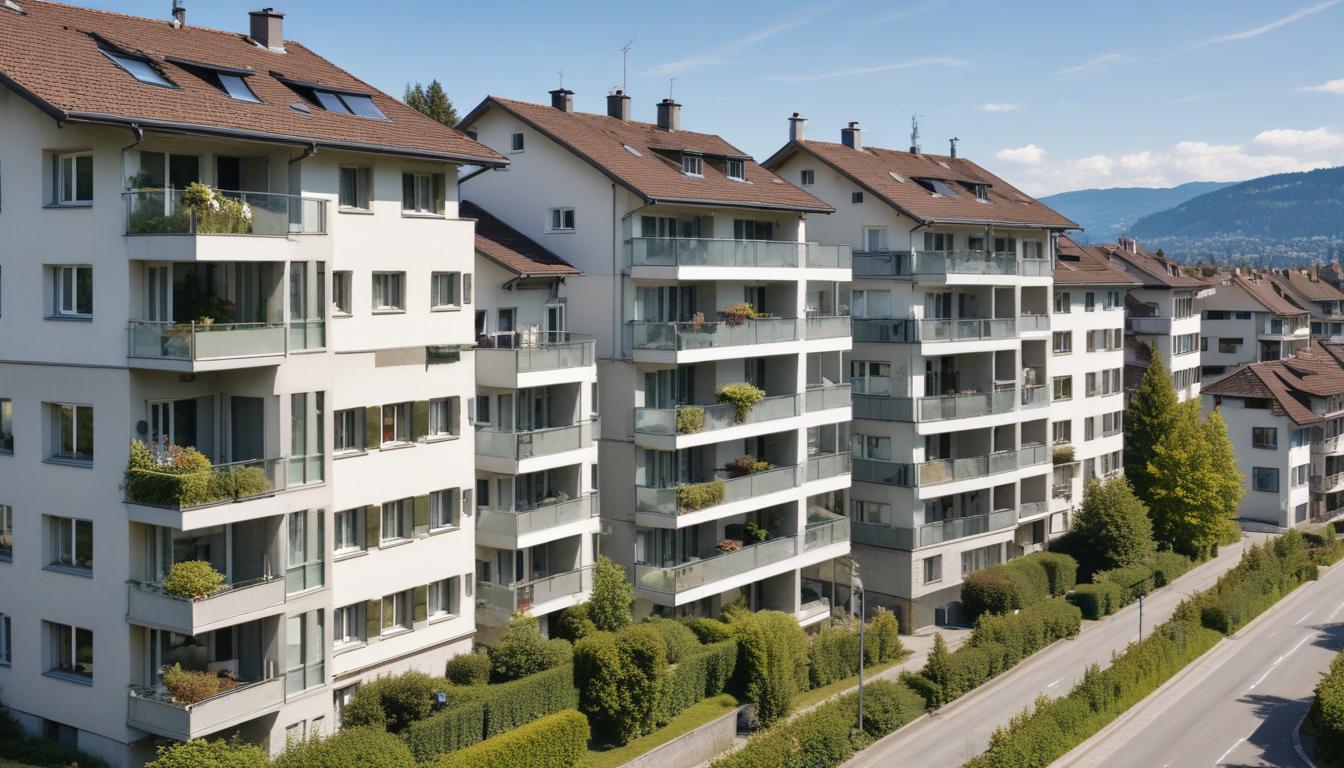
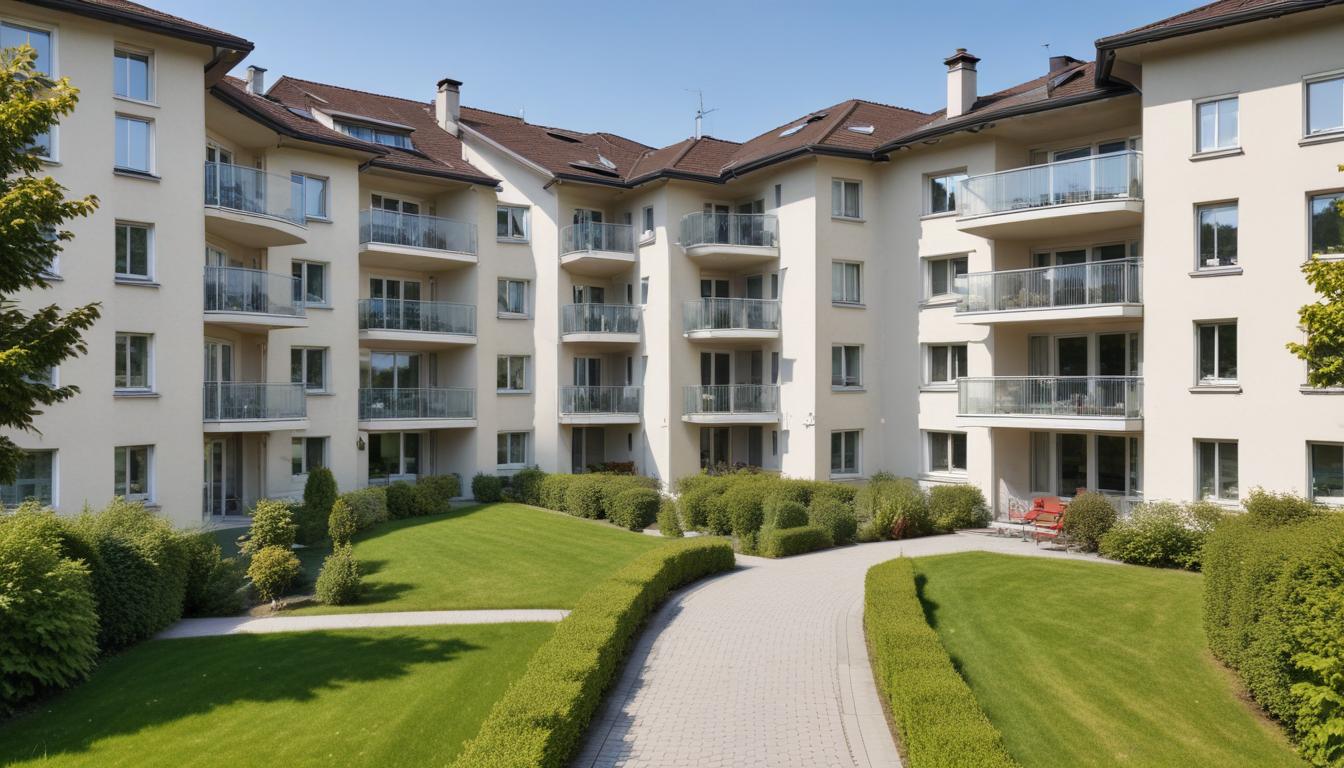
Zurich's first-time buyer market is experiencing a peculiar split: owner-occupiers chasing stability while savvy investors hunt yield. New analysis of cantonal grant schemes and mortgage structures reveals a telling gap between the two camps—and what the numbers say about where real returns lie.
The arithmetic is sobering. At Zurich's prevailing CHF 15,000 per square metre, a modest 80-square-metre flat in Kreis 5 or Wipkingen runs CHF 1.2 million. With a typical 20 per cent deposit requirement, first-time buyers need CHF 240,000 in hand. Canton Zurich's purchase grant scheme—worth up to CHF 50,000 for qualified owner-occupiers earning under CHF 180,000 annually—reduces that burden meaningfully. Federal mortgage insurance (CMMC/SGVS) allows deposits as low as 10 per cent, but premiums bite hard.
The investor story differs markedly. A rental property in sought-after precincts like Seefeld or Enge waterfront yields roughly 2.5 to 3 per cent annually—respectable by Swiss standards, but tight margins. A CHF 2 million Seefeld apartment generating CHF 60,000 rent leaves investors navigating property tax, maintenance reserves (typically 1.5 per cent of value), insurance and tenant voids. After costs, net yields often hover near 1.5 per cent. Capital appreciation, not rental income, drives returns for institutional buyers.
First-time owner-occupiers, by contrast, sidestep rental volatility. The cantonal grant effectively reduces entry cost by 4 per cent—modest but meaningful at Zurich prices. Crucially, they avoid income tax on imputed rent (the notional benefit of owning your home), a hidden advantage worth 2–3 per cent annually depending on mortgage rates and property value.
Where the gap widens is leverage. Investors securing 60 per cent LTV mortgages at 2.8–3.2 per cent can theoretically outperform property appreciation if markets rally. But Zurich's market has matured: appreciation since 2015 averaged 3–4 per cent annually—lower than mortgage costs. Owner-occupiers, freed from yield anxiety, benefit from forced savings through amortisation while enjoying stable housing costs.
Banking partners like UBS and Credit Suisse remain active in first-buyer finance, though conditions tightened in 2025. The cantonal tax authority's recent clarity on grant eligibility—now available online via the Zurich cantonal portal—has simplified the application pathway.
The data whispers a lesson: in Europe's priciest property market, first-time buyers are not underdog investors. They are participants in a stability play where grants, tax efficiency and leverage conspire to outpace buy-to-let players chasing thin yields. For Zurich's market, ownership beats speculation.
This article was compiled by AI from the sources linked above and screened before publishing. See our editorial standards.
How does this story make you feel?
Spread the word
About this article
Published by The Daily Zurich
Daily brief
Free, in your inbox before 7am. Weekdays.
More in Property