Wiedikon's transformation from industrial heartland to sought-after residential destination is accelerating, with the municipality greenlighting a series of ambitious development projects that are fundamentally reshaping property values across the district. The neighbourhood, long overshadowed by Seefeld's waterfront prestige and Kreis 5's trendy reputation, is now capturing investor attention as a neighbourhood where quality of life meets genuine growth potential.
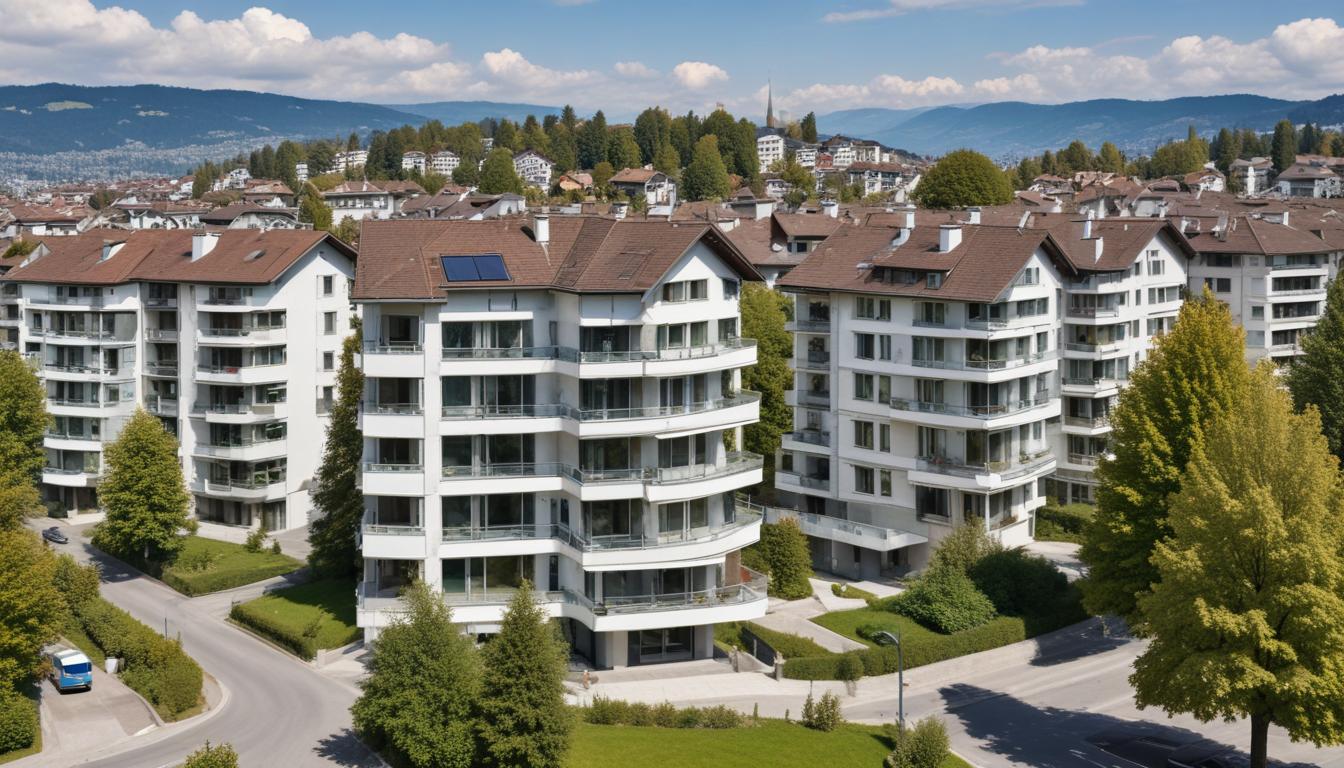
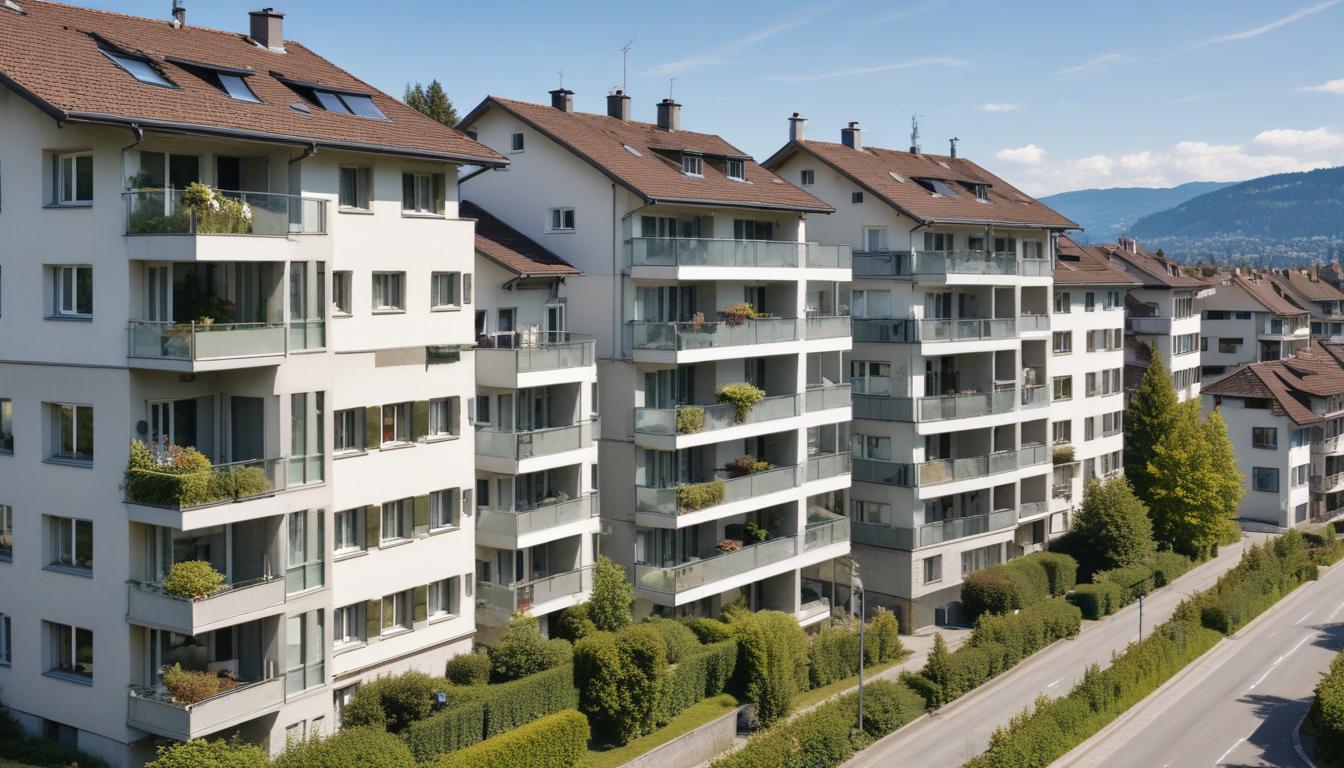
Recent approvals from the City Planning Authority have cleared the way for substantial residential construction along key corridors, particularly around the Quellenstrasse and Bäumlerstrasse axes. A landmark mixed-use development approved earlier this year will introduce 87 residential units alongside ground-floor commercial spaces, signalling the shift towards higher-density living that characterises Zurich's evolving property strategy.
The neighbourhood's appeal lies in a convergent set of factors. Positioned directly adjacent to the Sihl River—a natural asset increasingly valued by buyers seeking green connectivity without Seefeld's stratospheric pricing—Wiedikon offers significantly more accessibility than its premium waterfront neighbours. Current market data suggests properties here trade at approximately CHF 13,500–14,200 per square metre for residential units, compared to Seefeld's CHF 18,000+ benchmark. That differential is proving magnetic for developers and investor cohorts priced out of traditional hotspots.
The neighbourhood's cultural infrastructure bolsters its case. Proximity to the Wollishofen cultural quarter and improving transit connections via the Sihl Valley rail corridor have attracted younger demographics and families seeking authentic urban living without downtown premium rents. The recent renovation of local venues and the steady expansion of independent retail along Gutstrasse suggest organic neighbourhood vitality that extends beyond speculative construction.
What distinguishes Wiedikon's current moment is the regulatory alignment. Zurich's updated zoning framework, emphasising vertical intensification in underutilised districts, has created a genuine approval pathway for developers previously focused on scattered downtown sites. The municipality's commitment to delivering 10,000 new housing units across the city by 2030 places Wiedikon squarely in the expansion corridor—a fact reflected in accelerating land transactions.
Industry observers note that while central Zurich remains locked in tight supply, Wiedikon offers developers meaningful project scale. The ability to secure 50+ unit approvals, combined with more modest land acquisition costs, creates viable development economics that drive institutional investor interest.
For property buyers, the timing presents a nuanced calculus. Early movers recognise genuine appreciation potential as infrastructure investment and neighbourhood maturation proceed in parallel. Yet unlike speculative markets, Wiedikon's growth appears anchored in tangible urban planning outcomes rather than sentiment alone—a distinction that separates genuine investment opportunity from momentary fashion.
This article was compiled by AI from the sources linked above and screened before publishing. See our editorial standards.