What Zurich's auction results and price data are really signalling about the market's next move
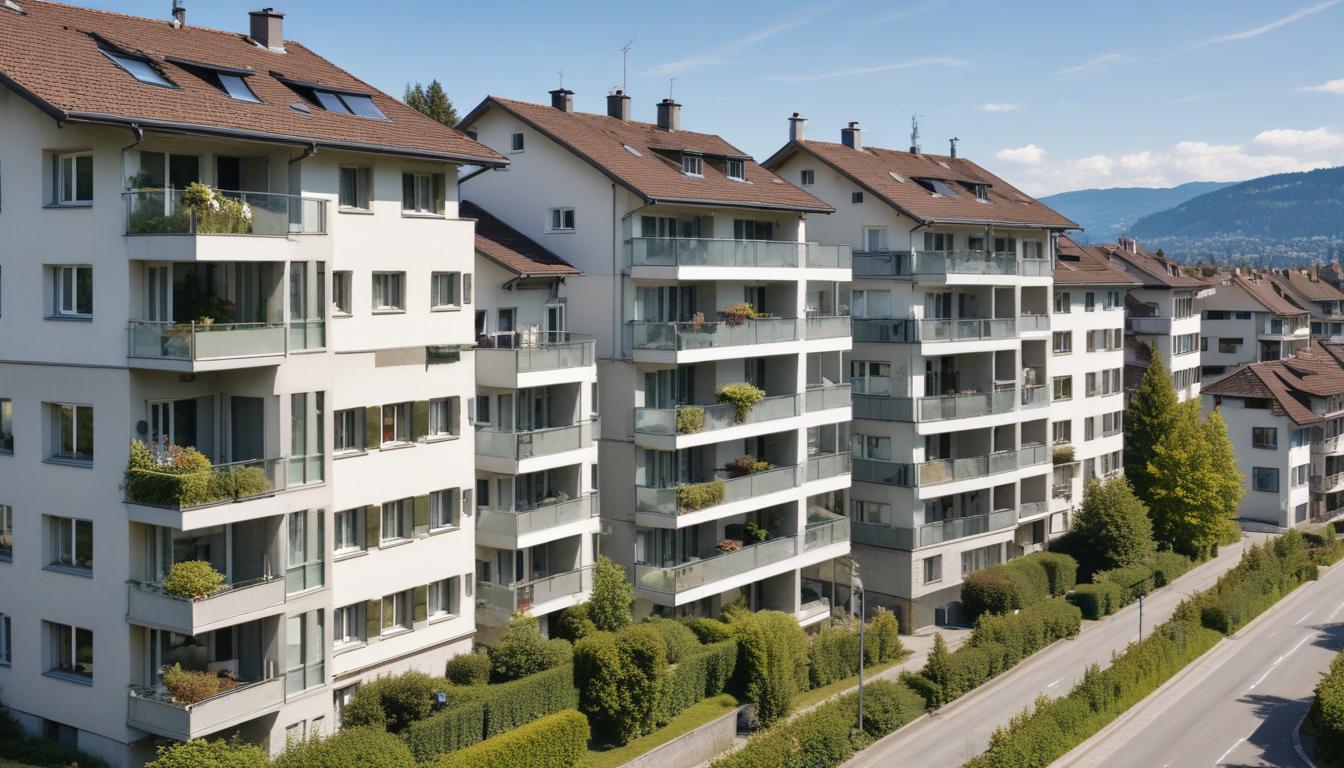
Recent sales across the Limmat Valley reveal a striking shift: premium neighbourhoods are cooling while affordable segments face renewed pressure.
Recent sales across the Limmat Valley reveal a striking shift: premium neighbourhoods are cooling while affordable segments face renewed pressure.
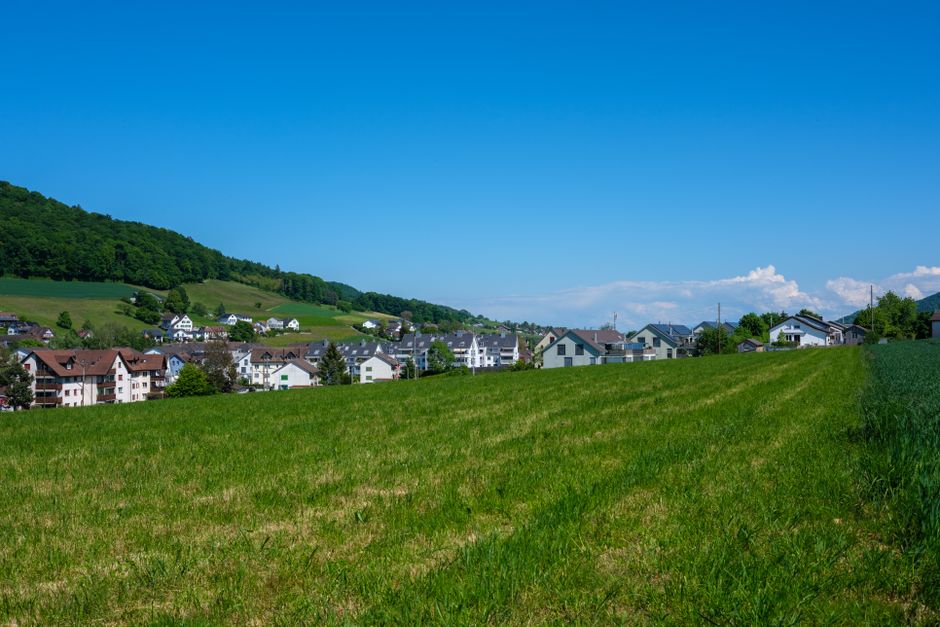
Zurich's property market is sending contradictory signals. While headline prices remain stubbornly anchored above CHF 15,000 per square metre citywide, the granular story told by recent auction results and transaction data suggests a market in subtle but significant flux.
The most telling indicator comes from the waterfront premium. Seefeld and Enge, long considered bulletproof investments, have seen a measurable softening in spring auctions. Properties that would have attracted competitive bidding two years ago are now taking longer to sell, with vendors increasingly accepting prices closer to asking rather than above. This matters: when Zurich's most coveted addresses show restraint, it signals broader caution among high-net-worth buyers.
Conversely, the trendy Kreis 5 and Wipkingen neighbourhoods—home to younger professionals and families priced out of traditional addresses—continue to see aggressive bidding. Recent sales data from the Wiedikon and Sihlfeld districts show per-square-metre prices climbing 3-4% year-on-year, even as central Zurich flattens. The market is bifurcating. Buyers with CHF 3-5 million budgets face bidding wars; those seeking CHF 10 million+ penthouses encounter hesitation.
Auction venues tell their own story. Properties cycling through Christie's and Koller in the Europaallee district are moving with greater frequency than five years ago, suggesting some investors are exiting. Yet the volume of new listings remains constrained—Switzerland's rigid tenant protections and limited new construction continue to underpin scarcity value, even as appetite cools at the ultra-premium end.
What does this signal? First, expect price stratification to deepen. Affordable outer districts—Oerlikon, Altstetten, even parts of Hongg—will likely see sustained demand and modest appreciation. Second, the luxury segment faces a reset. Not a crash, but a normalisation after a decade of relentless gains. Third, developers focusing on mid-range housing solutions (echoing recent Australian policy shifts toward smaller, affordable units) may find unexpected receptiveness from cash-strapped cantonal authorities.
The broader message from auction data: Zurich remains Europe's priciest property market, but the era of indiscriminate appreciation has ended. Buyers are now discerning. Location, size-to-price ratio, and yield matter again. For investors accustomed to effortless gains, this represents a genuinely different market. For first-time buyers, it may finally signal—faintly—that opportunity exists outside Seefeld.
This article was compiled by AI from the sources linked above and screened before publishing. See our editorial standards.
How does this story make you feel?
Spread the word
About this article
Published by The Daily Zurich
Daily brief
Free, in your inbox before 7am. Weekdays.
More in Property