Zurich Rental Market Tightens: 1.2% Vacancy Rate in 2025
Zurich's rental market hits five-year low vacancy at 1.2%. New zoning policies and conversion restrictions reshape apartment availability as tenants face tighter competition.
Zurich's rental market hits five-year low vacancy at 1.2%. New zoning policies and conversion restrictions reshape apartment availability as tenants face tighter competition.
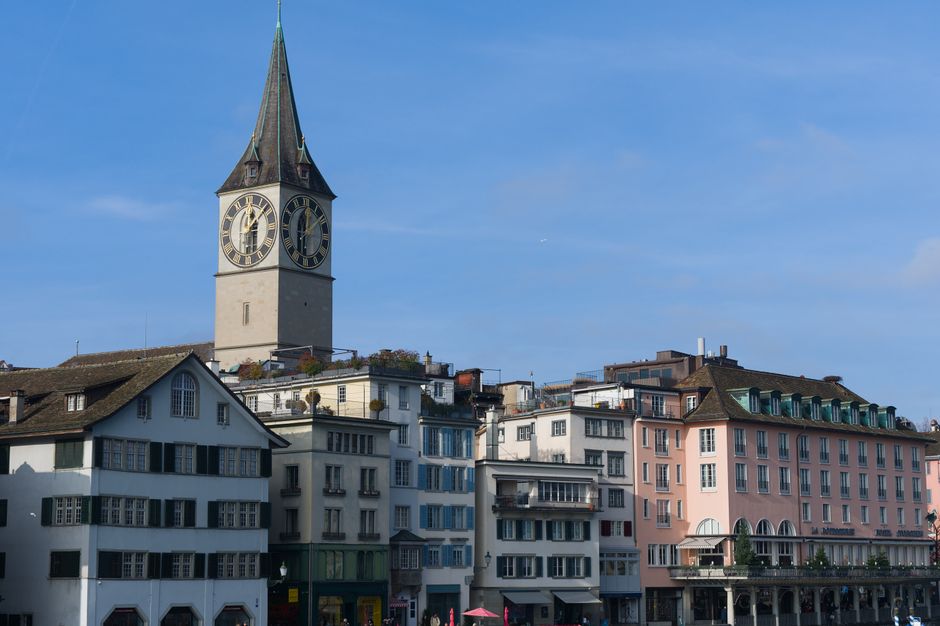
Zurich's rental vacancy rate has fallen to 1.2 per cent—the lowest since 2021—triggering a cascade of policy-driven consequences that are reshaping how the city's tenants search for homes. The squeeze reflects a combination of factors: population growth, limited new residential construction, and a series of planning decisions that have fundamentally altered the supply pipeline.
The most significant policy shift came in early 2025, when Zurich's cantonal government tightened regulations around office-to-residential conversions in districts like Industriequartier and the Kreis 5 corridor near Freitag and Viadukt. While intended to preserve commercial character, the restriction has inadvertently reduced conversion projects that previously supplied roughly 15 per cent of new rental stock. Property managers report that expected completions along Geroldstrasse have been pushed back by 18 months.
The impact is most acute in premium areas. Seefeld and Enge waterfront properties command average monthly rents of CHF 4,500 per two-bedroom—up 8 per cent year-on-year—while Wiedikon and Hongg, traditionally more accessible, now average CHF 2,800, leaving little margin for lower-income households. The city's housing co-operatives, which manage roughly 11 per cent of Zurich's rental stock, report application surges exceeding capacity by 300 per cent in some cases.
Yet not all policy changes have restricted supply. New parking requirement reductions, implemented in Wipkingen and Aussersihl in 2024, freed developers to redirect capital toward additional units rather than underground garages—a rare bright spot. Several projects on Badenerstrasse and near Letzigraben station are now pencilled in for 2027 delivery, partly because developers can reduce infrastructure costs.
Tenants facing this market should be aware that the Mietverband (Swiss Tenants' Association) has released updated guidance on rent increases under current market conditions. While legal increases remain capped at roughly 3.5 per cent annually, landlords are using lease renewals to approach that ceiling. The association recommends documentation of comparable local rents—especially critical when negotiating renewals in sought-after zones.
City officials acknowledge the tension. The Zurich Planning Department has signalled that a comprehensive review of residential zoning is scheduled for 2027, potentially unlocking additional land near Altstetten and along the Sihl corridor. However, that timeline offers little comfort to renters searching today. For now, market dynamics remain shaped by decisions made years ago—a reminder that housing policy consequences unfold slowly but inevitably.
This article was compiled by AI and screened before publishing. See our editorial standards.
How does this story make you feel?
Spread the word
About this article
Published by The Daily Zurich
Daily brief
Free, in your inbox before 7am. Weekdays.
More in Property