Altstetten Tops Zurich's Rental Yield Table — and Investors Are Taking Notice
While Seefeld commands the headlines, the western district of Altstetten is quietly delivering the strongest returns for buy-to-let buyers in the city.
While Seefeld commands the headlines, the western district of Altstetten is quietly delivering the strongest returns for buy-to-let buyers in the city.
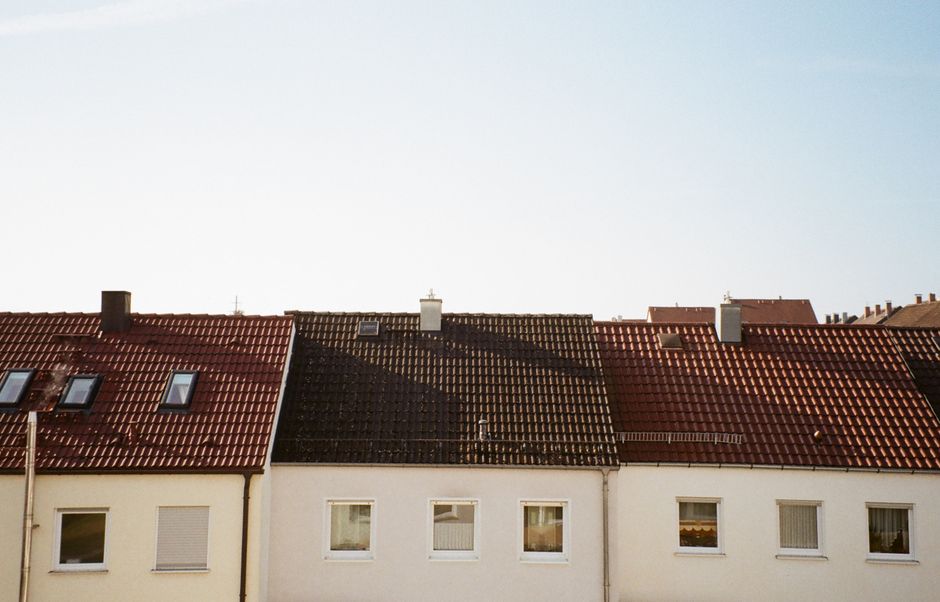
Altstetten is posting gross rental yields of around 3.8 to 4.2 percent — the highest of any Zurich suburb tracked by property analysts at Wüest Partner in their mid-2026 review. That figure may look modest against yields in Berlin or Warsaw, but inside Switzerland's most expensive residential market, where the city average sits at CHF 15,000 per square metre, it represents a meaningful edge over the 2.1 to 2.5 percent typical of Seefeld or Enge on the lake's eastern shore.
The timing matters. The Swiss National Bank cut its policy rate to 0.25 percent in March 2026, its third consecutive reduction, pushing mortgage financing costs to their lowest point since 2022. That compression has sharpened investor attention on yield rather than simple capital appreciation. When borrowing is cheap but asset prices remain stubbornly high across Zürichberg and Hottingen, the calculus shifts toward districts where purchase prices still lag the city average and rental demand is structurally robust.
Altstetten — officially Kreis 9, bordered by the Limmat to the north and the industrial corridor running toward Schlieren — has transformed substantially since the opening of the Westside shopping and leisure complex at Brunaustrasse in 2008, and the subsequent densification around Altstetten train station on the S-Bahn network. The station itself is one of Zurich's busiest interchange points, connecting lines S3, S9, S12 and the Zürich–Bern intercity corridor. A two-room flat on Badenerstrasse or within the new Leugraben residential blocks sells today for CHF 870,000 to CHF 1.05 million — roughly 35 percent below equivalent stock in Kreis 2.
Rental demand is anchored by a specific tenant profile: mid-level professionals working at ABB's Zurich operations hub in Oerlikon or the corporate campus at Zürich-West who want fast rail access without lakefront rents. Average monthly rents for a 3.5-room flat in Altstetten run CHF 2,600 to CHF 2,900 — a level that has held firm even as the city's overall vacancy rate crept up to 0.54 percent in the canton's 2025 housing survey. Kreis 9's own vacancy figure sits below 0.4 percent, according to the same Statistisches Amt Kanton Zürich report.
Run the arithmetic on a representative deal: a 70-square-metre flat purchased at CHF 950,000, financed with a 20 percent deposit and a five-year fixed mortgage at 1.65 percent. Annual gross rental income at CHF 2,750 per month produces CHF 33,000. That is a gross yield of 3.47 percent on purchase price, or — critically — a positive carry once financing costs are accounted for. In Seefeld's Seefeldstrasse or along Mythenquai in Enge, the same exercise produces a yield below the cost of debt at any realistic purchase price above CHF 1.5 million.
The city's own Stadtentwicklung Zürich directorate has earmarked Altstetten for further residential densification under its Richtplan 2040 framework, with planning permission sought for roughly 1,800 new units between Weissenweg and the Herdern industrial conversion zone. New supply could eventually soften rents at the margins, but urban planners and real-estate managers at Livit AG have flagged that absorption rates in the district have comfortably consumed every new scheme delivered in the past four years.
For investors considering entry now, the practical advice is specific. Target older stock built between 1960 and 1985 near Lindenplatz or along Zürcherstrasse, where purchase prices remain below CHF 12,500 per square metre and renovation risk is priced in. Avoid the newest high-spec buildings near the station, which are already priced at Kreis 5 levels without Kreis 5's lifestyle premium. Engage a conveyancer familiar with Zurich municipal pre-emption rights before any offer, and verify whether the property falls within the cantonal rent-cap provisions under the Mietzinsgesetz — rules that limit above-inflation rent increases on properties constructed before 1990.
How does this story make you feel?
Spread the word
About this article
Published by The Daily Zurich
Daily brief
Free, in your inbox before 7am. Weekdays.
More in Property


