How Much Rent Is Too Much? The 30% Rule in Practice in Zurich
With housing costs soaring, the old benchmark that rent should not exceed 30% of income is facing a harsh test in Zurich’s hottest districts.
With housing costs soaring, the old benchmark that rent should not exceed 30% of income is facing a harsh test in Zurich’s hottest districts.
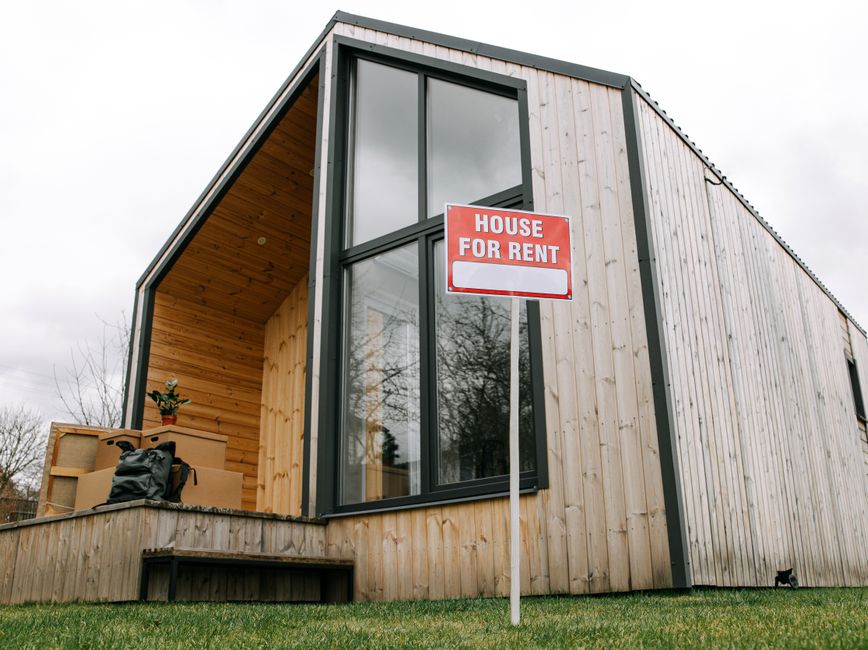
Every month, 34-year-old software developer Lena Brunner calculates what’s left after paying rent for her two-bedroom apartment on Breitingerstrasse. The figure is always tight. With an after-tax income of CHF 7,000, Lena spends CHF 2,200 on her flat—over 31% of her salary. She’s not alone. Data from the Bundesamt für Statistik confirms the average Zurich renter pays the highest percentage of income in Switzerland toward housing, with more than a third of new leases now breaching the informal 30% affordability mark.
The 30% rule—long-standing advice from Swiss financial planners and banks—suggests that more than a third of income going to rent spells trouble for tenants’ budgets. But in Zurich, that advice is quickly becoming outmoded. Rising demand, tight supply, and turbocharged property prices are squeezing tenants throughout the city.
Kreis 5, with its riverside bars along Geroldstrasse and the revived Löwenbräu art complex, typifies this new market pressure. Housing listings here regularly top CHF 3,000 a month for a modest 3.5-room apartment. In lakeside Seefeld, a comparable flat on Dufourstrasse will set new renters back CHF 4,500 or more, approaching 40% of the average professional salary in the canton. Even in former middle-income strongholds like Oerlikon, rent has crept above CHF 2,000 for basic 2-room options, sparking concern from advocacy groups including Mieterverband Zurich.
The city’s housing office (Wohnbaugenossenschaften Zürich) reports that the waiting list for subsidised apartments has reached a new peak: as of June 2026, over 11,000 households remain on hold, up from 8,200 just two years ago. Private-sector relief is limited—new builds on the Europaallee corridor are targeting luxury-sector professionals, not families or average earners.
Data from Wüest Partner, a Swiss property analyst, puts the average advertised Zurich rent at CHF 2,450 per month in 2026—up 9% year-on-year. Compare that to median disposable household income in the city of Zurich, which the Stadt Zürich finance department pegs at CHF 98,000 per year (about CHF 8,170 per month after deductions). This leaves a rent-to-income ratio hovering just beneath the 30% threshold for median earners, but the squeeze intensifies for younger workers, single-person households, and immigrants.
For those looking to buy, options remain scant. With prices averaging over CHF 15,000 per square metre citywide—and waterfront districts like Enge now regularly exceeding CHF 20,000—the barrier to entry is steeper than ever. Financing a 90sqm flat on the Goldküste would demand not only deep pockets but upwards of CHF 270,000 in equity, plus hefty monthly mortgage outlays.
As tourist crowds flock to Lindenhof this summer, locals are crunching numbers. According to a June 2026 survey by the ETH Zentrum’s Real Estate Lab, 42% of Zurich residents say they exceed the 30% rent rule—up from 28% in 2019. That figure climbs to over 50% among tenants under 40 in Districts 4 and 5.
Financial planners at Credit Suisse continue to warn clients that breaching the 30% barrier risks crowding out spending on health, transport and retirement. The city’s Mieterinnen- und Mieterverband urges renters to use available online calculators—like the Stadt Zürich’s MietzinsCheck—and to document any unlawful rent increases. For those under pressure, the city’s Wohnberatung Zürich remains a free source of advice on finding cooperative housing or challenging excessive rents through arbitration.
Experts expect pressure on the 30% rule to persist until Zurich ramps up affordable housing supply. Until then, renters like Lena Brunner must keep a sharper eye on their pay slips—and hope their next lease doesn’t demand more than their budgets can bear.
How does this story make you feel?
Spread the word
About this article
Published by The Daily Zurich
Daily brief
Free, in your inbox before 7am. Weekdays.
More in Property


