Altstetten Is Quietly Delivering the Highest Rental Yields in Zurich
While investors chase waterfront premiums in Seefeld and Enge, the numbers increasingly point west.
While investors chase waterfront premiums in Seefeld and Enge, the numbers increasingly point west.
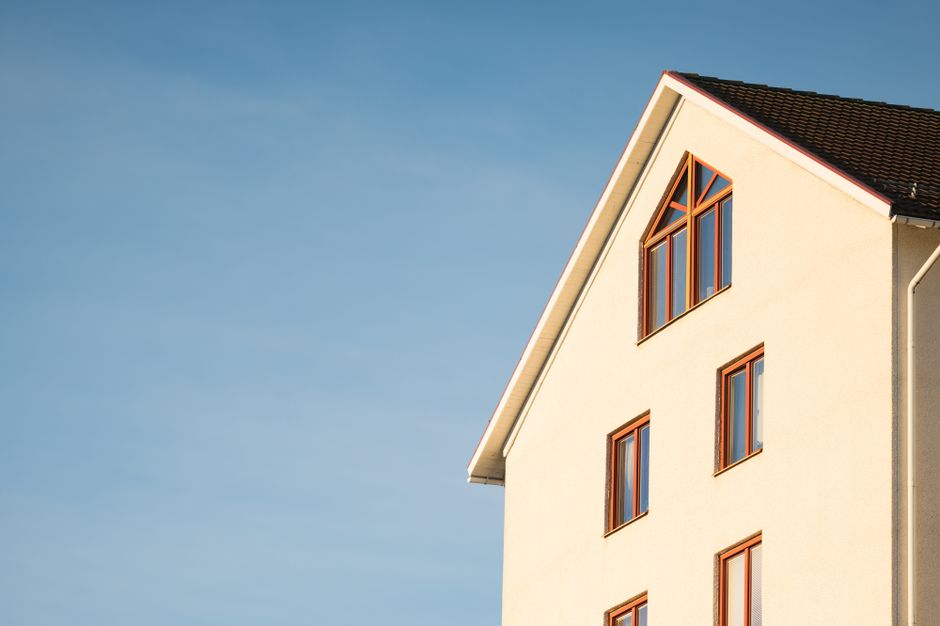
Altstetten, the working-class district tucked into Zurich's western flank along the Limmat valley, is generating gross rental yields of between 3.8 and 4.4 percent — roughly double what landlords can expect from comparable flats in Seefeld or Enge, according to transaction data compiled by Wüest Partner for the first half of 2026. In a city where the average sale price has consolidated around CHF 15,000 per square metre, that spread matters enormously to anyone running a buy-to-let portfolio.
The timing is not coincidental. The Swiss National Bank cut its policy rate to 0.25 percent in March 2026, and mortgage finance has loosened enough that small investors — rather than institutional funds — are once again active buyers. At the same time, Zurich's vacancy rate has dropped to 0.07 percent city-wide, the lowest recorded since canton statistics office figures began tracking the metric in 2005. Rental demand is outpacing new supply almost everywhere, but the gap between what tenants can actually afford and what landlords are asking is widest, and most sustainable, in districts where purchase prices haven't yet sprinted ahead of rents.
Altstetten sits in Zurich's Kreis 9, bordered by the Farbhofstrasse industrial corridor to the north and the Herdern rail yards to the east. It is not glamorous. The Badenerstrasse, its main commercial spine, runs through a dense mix of kebab shops, discount grocery chains and mid-century apartment blocks. But that is precisely the point: two-bedroom flats on Zürcherstrasse or around the Aargauerstrasse junction are currently listing at CHF 5,800 to CHF 6,400 per square metre for older stock — less than half the city average — while monthly rents for the same units sit at CHF 1,800 to CHF 2,200. The arithmetic is hard to argue with.
The district has also attracted serious infrastructure money. The Zürich West extension of tram line 2, completed in December 2024, cut journey times from Altstetten Bahnhof to the Hauptbahnhof to under eleven minutes. The Stadtentwicklung Zürich office — the city's urban development agency — has designated the Albisriederplatz zone for densification under its 2040 spatial planning framework, which typically signals a five-to-eight year cycle of rising land values. The Migros cooperative opened a refurbished flagship on Altstetterstrasse in spring 2025, a retail investment that locals read as a confidence signal. These are the kinds of second-order indicators that property professionals monitor before price discovery catches up.
Gross yield figures, of course, require adjusting downward for Swiss reality. Cantonal property tax, compulsory maintenance reserves and the Mieterinnen- und Mieterverband — the tenants' association, which actively litigates rent increases above the reference interest rate threshold — all compress net returns. A realistic net yield after costs lands closer to 2.8 to 3.2 percent in Altstetten's better-maintained blocks. That still compares favourably to the 1.6 to 2.0 percent net yields common in Kreis 2 along the lake, where purchase prices have long since detached from rental income fundamentals.
The practical question for anyone moving now is building vintage. Pre-1980 stock on streets like Eugen-Huber-Strasse carries deferred renovation liability that can erode yield quickly once Zurich's mandatory energy retrofit deadlines — phased between 2028 and 2032 under cantonal building law — arrive. Newer blocks built after 2005 near the Altstetten S-Bahn hub are more defensible but command prices that compress the yield advantage. The sweet spot, according to data from ImmoScout24 listings analysed across Q1 and Q2 2026, appears to be buildings constructed between 1985 and 2000 with recent facade or heating upgrades already completed.
Investors with a three-to-five year horizon should also watch the Rosengarten tunnel decision, still working through cantonal planning review as of July 2026. If approved, it would reduce heavy traffic on the Rosengartenstrasse corridor, directly improving liveability — and ultimately valuations — in the northern edges of Altstetten and neighbouring Wipkingen. That upside isn't yet priced in. For yield hunters willing to do the legal and technical due diligence, the window probably runs another eighteen months before the arbitrage closes.
How does this story make you feel?
Spread the word
About this article
Published by The Daily Zurich
Daily brief
Free, in your inbox before 7am. Weekdays.
More in Property


