Zurich’s Höngg Takes Top Spot for Rental Yields Amid Sizzling Property Market
Investors are eyeing Zurich’s Höngg quarter as the city’s strongest performer for rental returns, outpacing lakeside and city-centre rivals.
Investors are eyeing Zurich’s Höngg quarter as the city’s strongest performer for rental returns, outpacing lakeside and city-centre rivals.
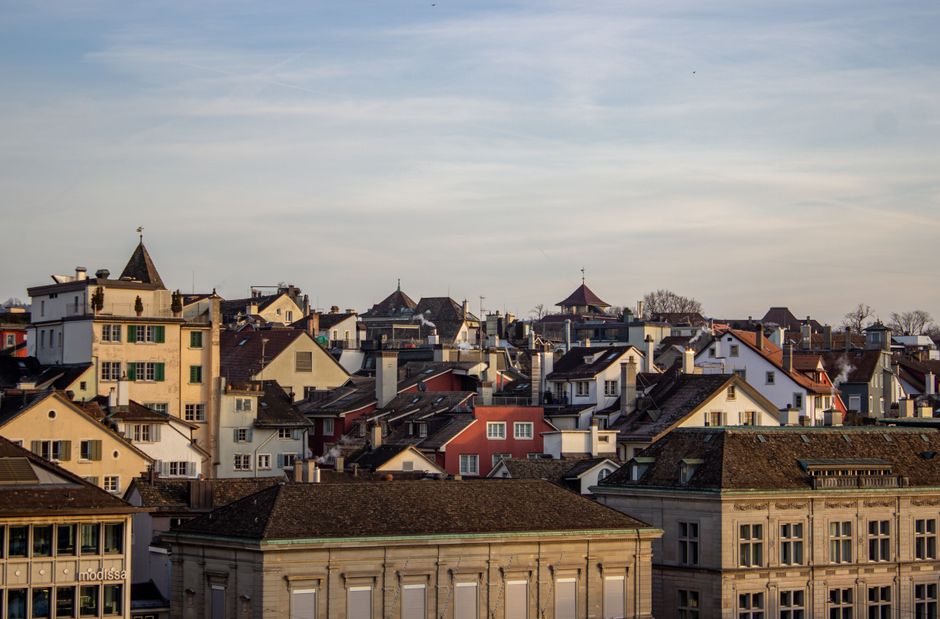
Höngg, perched on Zurich’s sun-drenched western hills, has emerged as the suburb with the highest rental yield for property investors, according to figures released this week by the Zurich Office for Urban Development. Gross yields for rental apartments in Höngg have reached 3.7% in the first half of 2026, eclipsing the average city figure of just under 3%, and leaving traditional hotspots like Seefeld and Enge trailing in its wake.
The local surge in rental returns comes at a fraught moment. Inflation continues to bite across Switzerland, eurozone interest rates remain at a two-decade high, and Zurich’s own vacancy rate hovers at a record-low 0.25%—one of the lowest among major European cities. With property prices defying gravity (the city average is CHF 15,000 per square metre, with waterfront Seefeld pushing closer to CHF 23,000), investors are under pressure to chase yield rather than capital growth. Heightened demand for affordable city living has made Zurich’s outer neighbourhoods newly attractive to Swiss pension funds and private landlords alike.
Höngg’s appeal is underpinned by more than numbers. The area stretches from the leafy banks of the Limmat up past Wipkingerplatz and ETH Hönggerberg, Zurich’s science and technology campus. Local businesses on Limmattalstrasse report brisk trade on weekends, while the rewilded Grünwaldspital park and the vineyards around Rütihof bring a village feel within city limits. The Swiss Federal Railway’s recent S6 upgrades mean Zurich Hauptbahnhof is just 13 minutes away during peak hours. For renters, proximity to major employers in Oerlikon, the UniversitätsSpital Zurich expansion, and international schools has become a deciding factor.
According to Wüest Partner’s May 2026 market report, median rents for a newly built 2.5-room flat in Höngg now reach CHF 2,390 per month, but entry prices remain relatively moderate: a renovated three-room apartment on Regensdorferstrasse fetched CHF 995,000 in June. By comparison, similar properties on Seefeldstrasse routinely sell for well over CHF 1.8 million. For investors, this means solid returns even after accounting for the city’s property tax and ongoing building upgrades mandated by Zurich’s 2040 climate ordinance.
Höngg’s moment in the sun is unlikely to fade overnight, local analysts say. The city has just launched its "Lebensraum Limmat" initiative—a program to further pedestrianise and green the Limmat riverside over the next three years—which is expected to boost both liveability and long-term values. Investors should also note that new rental contracts must comply with Zurich’s Mietzinsregulierung rules, capping annual increases and requiring detailed disclosure of running costs. Market observers suggest keeping an eye on planned completions near Winzerhalde station and ETH Hönggerberg, which may increase supply by early 2028.
For anyone considering their next Zurich property play, Höngg represents both safety and upside. As city rents climb and prime neighbourhoods become ever more exclusive, the city’s skyline west of the river is set to cement its reputation as Zurich’s yield powerhouse.
How does this story make you feel?
Spread the word
About this article
Published by The Daily Zurich
Daily brief
Free, in your inbox before 7am. Weekdays.
More in Property