Rent-Vesting in Zurich: Who Wins in the Buyer vs Renter Affordability Race?
With property prices pushing past CHF 15,000 per square metre in central Zurich, residents are turning to 'rent-vesting' as an alternative to traditional home ownership.
With property prices pushing past CHF 15,000 per square metre in central Zurich, residents are turning to 'rent-vesting' as an alternative to traditional home ownership.
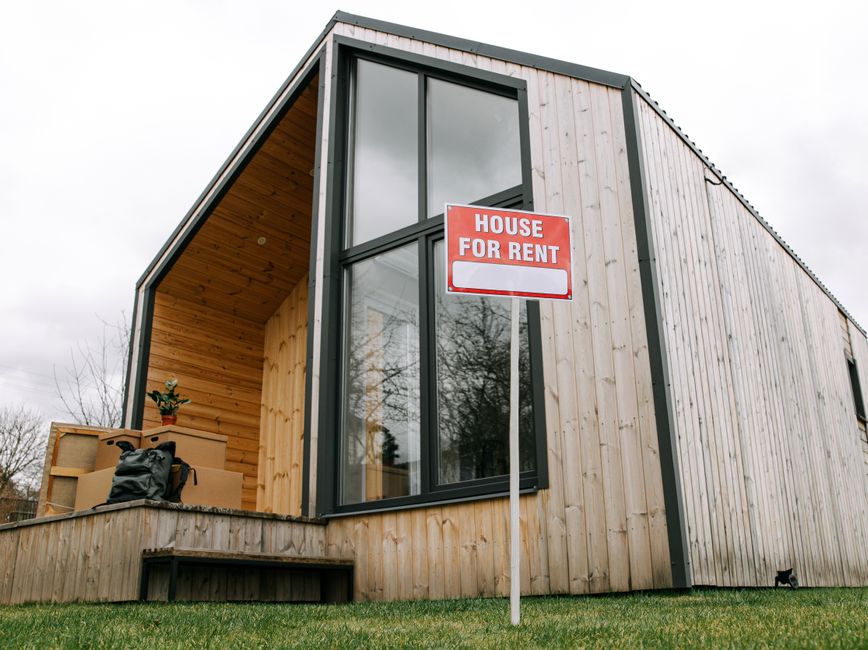
In Zurich, the price of a square metre in prime neighbourhoods has soared to an average of CHF 15,000, nudging many long-time renters to explore "rent-vesting"—leasing a home in the city while buying investment property elsewhere—as a creative answer to a heated market.
The timing couldn't be more relevant. Demand remains relentlessly high for owner-occupied flats, even as persistent price increases outpace wage growth and mortgage interest rates hover around 2.5%. The squeeze has grown especially stark this summer as fresh listings in familiar rental strongholds like Wipkingen or Altstetten rarely stay available for more than a week, and savings for a 20% deposit stretch ever further out of reach for younger professionals.
Along Seefeldstrasse, a family-sized apartment will now set you back upwards of CHF 4,500 per month, and the average sale price hovers past CHF 2.7 million. Over in trendier Kreis 5 around Geroldstrasse, renters face a median cost of CHF 3,200 for a two-bedroom unit—but purchasing similar space comes with an entry price above CHF 1.2 million, even for older buildings. Unaffordable? For many, yes—which brings rent-vesting sharply into focus.
Under this strategy, Zurich residents lease their preferred home (often appealing for proximity to offices around Paradeplatz or proximity to Limmat river leisure), and divert their savings toward purchasing property in towns like Winterthur or even as far afield as Schaffhausen, where prices per square metre can be less than half Zurich’s going rate. Local banks such as Zürcher Kantonalbank have begun to guide first-time investors through these cross-regional options. Meanwhile, Proptech startups—including Crowdhouse and Flatfox—are actively matching city renters with affordable buy-to-let properties in smaller Swiss markets.
Zurich's 2025 property report from UBS noted that housing prices have risen 6.8% year-on-year, while net median household incomes only crept up by 2%. In central neighbourhoods including Enge and Seefeld, ownership now eats up nearly 37% of the average resident’s gross income—well above the 30% considered financially sound. Meanwhile, rental competition remains fierce: the citywide vacancy rate has stayed below 0.18% since mid-2024, making both buying and renting uniquely challenging. Rent-vesting, then, lets asset-building continue: data from Homegate suggests that a CHF 800,000 investment into a two-bedroom in Frauenfeld could generate a rental yield of 3.5%, even as the investor retains their CHF 3,800 rental flat at Mythenquai. The numbers increasingly speak for themselves.
Zurich’s market is likely to see more buyers shift to rent-vesting as mortgage renewal rates stay elevated through 2026 and new build supply remains meagre. Prospective investors should run the numbers carefully (especially factoring in taxes, management costs, and second-home restrictions), and consult local financial advisors familiar with cross-region investment rules. Property portals, local estate agents in Oerlikon, and advisory arms at major lenders are all stepping up to help guide the next wave of creative Zurich property hunters.
How does this story make you feel?
Spread the word
About this article
Published by The Daily Zurich
Daily brief
Free, in your inbox before 7am. Weekdays.
More in Property


