property
Zurich Renters Struggle to Keep Housing Under 30% of Income
As property prices push rental costs to new highs, Zurich households face a tough test: can they stick to the 30% income rule?
How we reported this
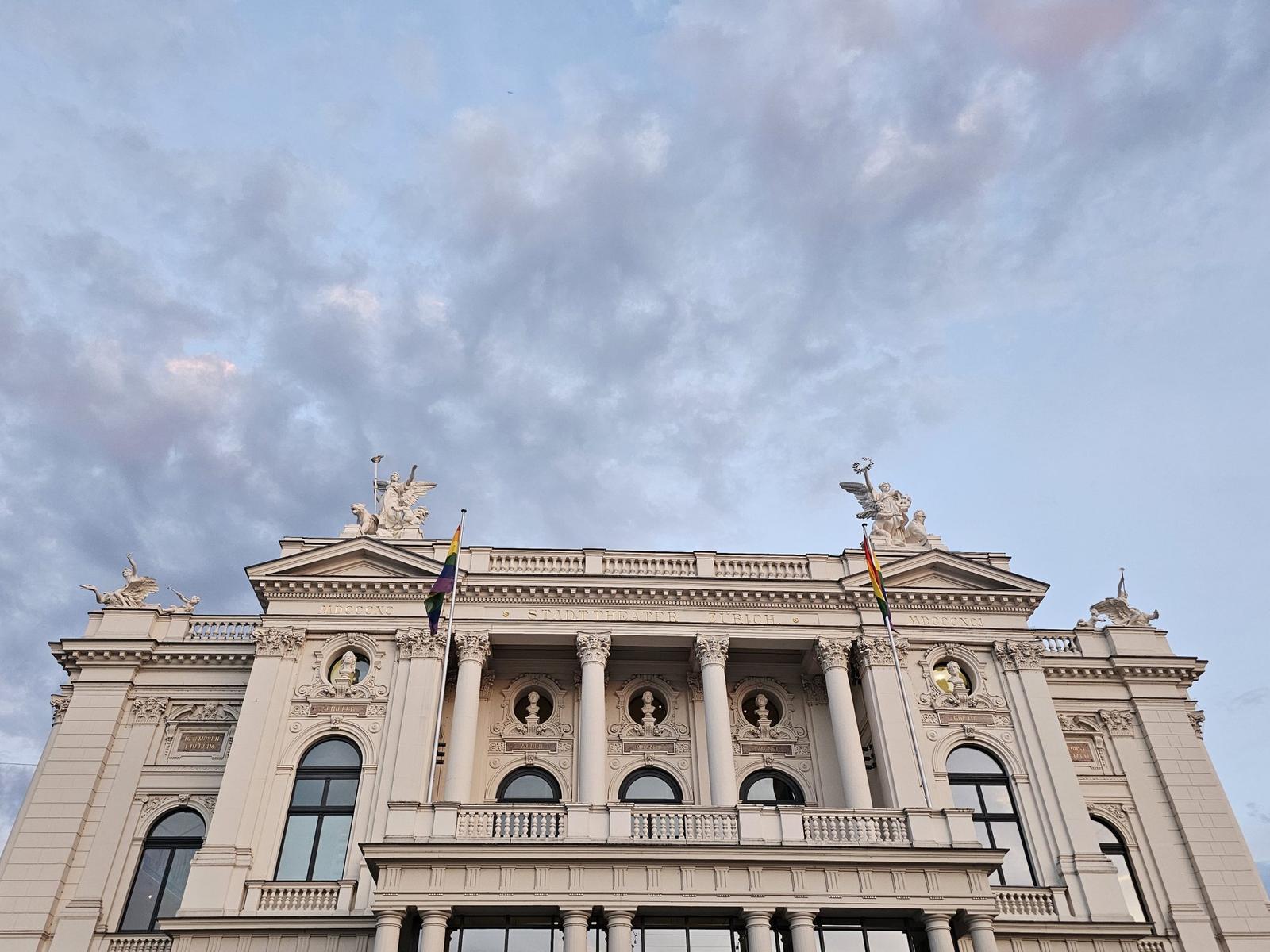
Most financial advisers recommend spending no more than 30% of your income on rent. But with prime Zurich neighbourhoods like Seefeld and Kreis 5 commanding eye-watering prices, that rule is increasingly out of reach for many residents.
Affordability is an urgent question as city prices climb. This month, hundreds of flats in Neustadtstrasse and along the Enge waterfront drew dozens of applicants per listing, creating fierce competition for tenants unwilling to concede more than a third of their salary to landlords. With Zurich’s average rents pushing past CHF 4000 a month for larger city-centre apartments, even higher earners are feeling squeezed.
The 30% Benchmark: Myth or Reality?
The 30% benchmark originally emerged in the United States as a postwar government metric, but it has become a common guideline across much of Switzerland. The idea: renters should not allocate more than a third of their gross monthly pay to housing. The City of Zurich uses this threshold when evaluating eligibility for subsidised housing under programmes like Stiftung Wohnungen für kinderreiche Familien, which manages properties around Langstrasse and Albisrieden.
Yet Zurich’s reality makes this rule difficult to follow. According to the Swiss Federal Statistical Office’s latest figures published in February 2026, the median rent for a three-room apartment in the city reached CHF 2,630 per month. For a two-income Zurich household earning a combined CHF 8,000, this means housing eats up about 33% of gross salary before utilities-already breaching the recommended ceiling. In hotspots like Seefeld, median new rents regularly surpass CHF 3,500 for a comparable flat, leaving even higher earners pressed to stay below the threshold.
Kreis 5, known for its transformation from industrial quarter to hip residential and nightlife hub, has seen surging demand drive up rents over 12% since 2021, based on data from Zürcher Kantonalbank’s residential index. At the other end of the spectrum, public housing and cooperative flats near Hardplatz offer some relief: rents often hover closer to CHF 1,900 for similar-sized units, but long waiting lists mean most newcomers remain in the open market.
Looking Ahead: Buyers vs. Renters and Hard Choices
The choice between renting and buying is starker than ever. With average property prices topping CHF 15,000 per square metre, local experts estimate monthly ownership costs for a 90-square-metre apartment easily exceed CHF 3,200 after mortgage, maintenance, and taxes-if a buyer can clear the 20% down payment hurdle. The Swiss Homeowners’ Association (HEV Zürich), based on Bahnhofstrasse, advises that for many, renting remains the only feasible option. Meanwhile, local tenant advocacy group Mieterverband urges the city to accelerate social housing projects, especially in under-supplied quarters like Altstetten and Oerlikon.
For Zurich residents struggling with the numbers, practical advice remains consistent: keep meticulous budgets, explore cooperatives (Genossenschaften) such as those found near Röntgenplatz, and set clear limits before entering rental battles. While the 30% rule is far from easy, planners say it still offers a clear-eyed tool for resisting further displacement as Zurich’s market continues to heat up post-pandemic.
This article is general information only and is not personal financial or investment advice. Consider your own circumstances and seek licensed professional advice before making financial decisions.