lifestyle
Zurich Renters: Navigate 2026's Expensive Market With Legal Protections
Planning to rent in Zurich in 2026? This guide covers average Zurich rental prices by district, how Switzerland's rental market works, tenant rights under Swiss law, and practical tips for finding a flat in one of the world's most expensive cities.
How we reported this
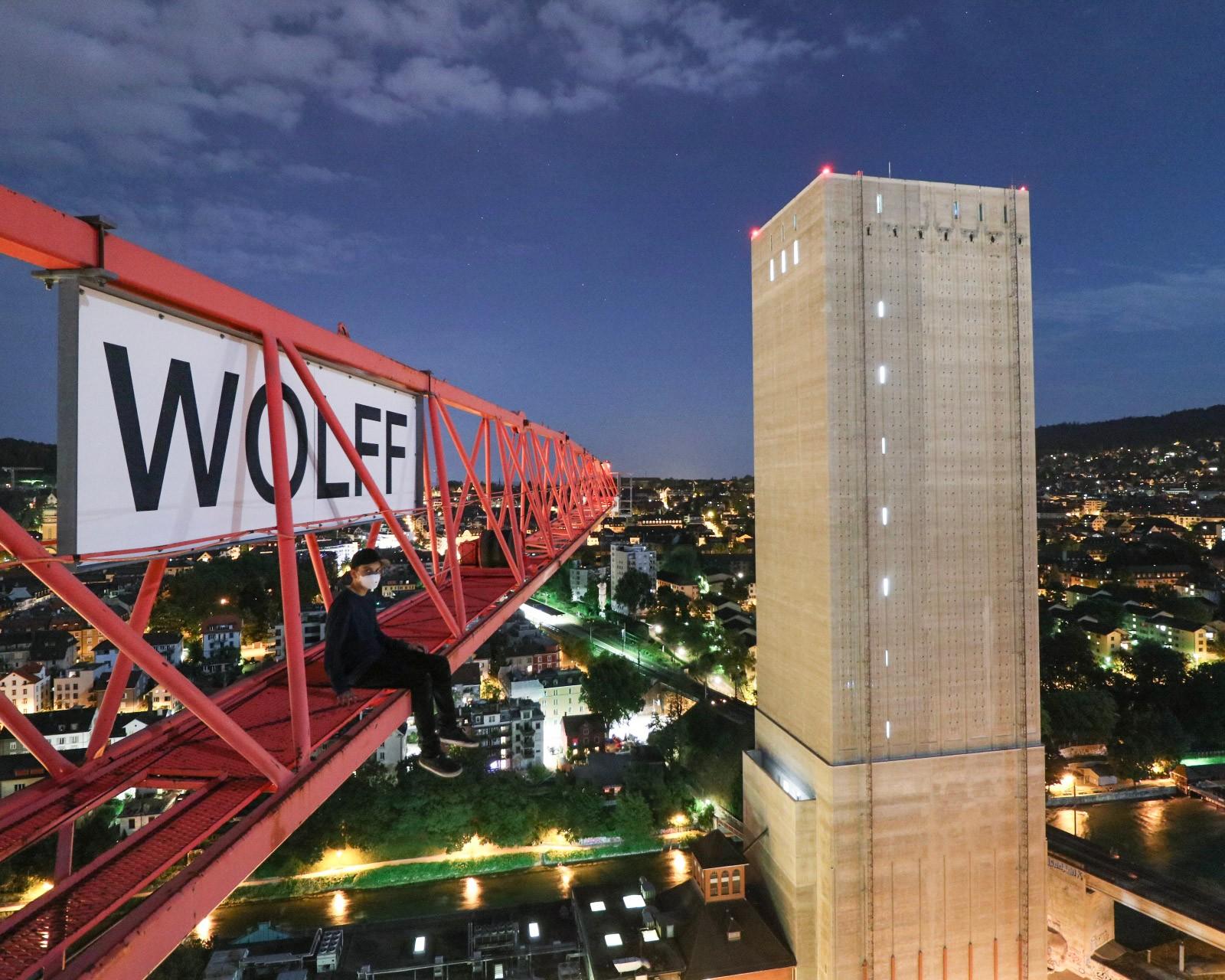
Renting in Zurich 2026
Zurich is consistently ranked one of the world's most expensive cities to live in, and its rental market reflects that status. The city's role as Switzerland's financial capital, home to UBS, Credit Suisse (now absorbed into UBS), and a large private banking and asset management sector, drives very high salaries and correspondingly high rental prices. However, Switzerland's strong tenant protections and rent regulation system provides more stability for renters than many equally expensive markets. This guide covers renting in Zurich in 2026.
Average Rent Prices in Zurich 2026
- Studio / 2-room apartment (Kreis 1-3, Aussersihl, Langstrasse): CHF 1,800-2,800/month (approximately AUD $2,980-$4,640)
- 3-room apartment (Wipkingen, Höngg, Albisrieden): CHF 2,200-3,500/month
- 3-room apartment (Seefeld, Enge, Riesbach, lakeside premium): CHF 3,000-5,000+/month
- 4-room apartment (Zürichberg, Fluntern): CHF 3,500-6,000+/month
How Zurich's Rental Market Works
- Switzerland's rental law (Obligationenrecht, Code of Obligations, Art. 253-274g) provides strong tenant protections; rents can be challenged at a cantonal arbitration authority (Schlichtungsbehörde) if they are abusive relative to comparable properties
- Reference interest rate (Referenzzinssatz): Swiss rents are linked to the national mortgage reference rate; when the reference rate falls, tenants can request rent reductions; when it rises, landlords can request increases
- Finding a flat: Zurich has a very low vacancy rate; finding a flat typically requires submitting a formal application (Bewerbung) with ID, income proof (Lohnausweis), and a debt enforcement certificate (Betreibungsregisterauszug) showing no debt enforcement proceedings
- Platforms: Homegate.ch, ImmoScout24.ch, Comparis.ch, Tutti.ch; real estate agents are less common than direct landlord or property management company listings
Practical Tips for Renting in Zurich
- ZVV public transport: Zurich's tram, bus, and S-Bahn network is excellent; monthly ZVV zone 110 passes cover all public transport in the city; car ownership is not necessary for most Zurich residents
- Kreise (districts): Kreis 4 (Langstrasse area) and Kreis 5 (Zürich-West, the redevelopment area) are Zurich's trendiest and most international neighbourhoods; Kreis 7 (Zürichberg, Fluntern) and Kreis 8 (Seefeld, Riesbach) are more upscale residential and lakeside
- Start your search 3-6 months before your intended move date; Zurich's very low vacancy rate means competition is intense and the right flat often requires sustained searching