What Zurich's Youth Sport Numbers Reveal About Our Fitness Culture
New participation data shows the city's grassroots clubs are thriving, but a stark divide between popular sports and niche disciplines raises questions about equity and access.
New participation data shows the city's grassroots clubs are thriving, but a stark divide between popular sports and niche disciplines raises questions about equity and access.
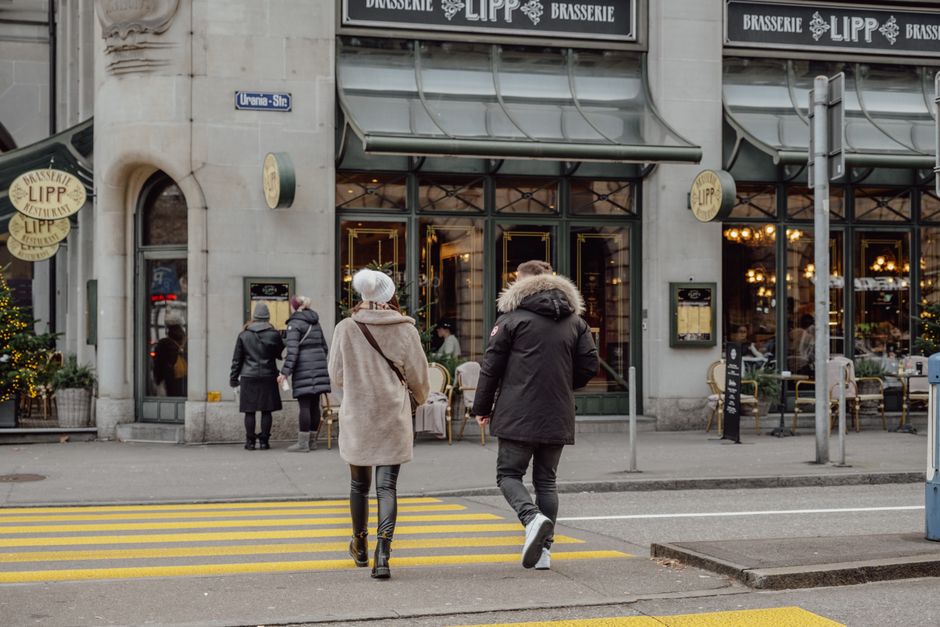
Zurich's youth sport landscape is booming. According to the latest figures from the Zurich Sports Federation, participation in organised youth clubs has grown 12 percent over the past three years, with nearly 64,000 young people now registered across the city's 340-plus registered sports associations. Yet beneath these headline numbers lies a more nuanced picture of how fitness culture shapes—and is shaped by—our community.
The data tells a clear story. Traditional sports dominate participation. Football clubs across the city—from FC Wollishofen to the sprawling networks around the Letzigrund—continue to attract the largest cohorts, with over 18,000 young members. Swimming follows closely, driven partly by Zurich's lake culture and facilities like the Hallenbad Oerlikon and Hallenbad Altstettenin residential areas. But the participation landscape is distinctly skewed. While cycling clubs attract steady interest, niche disciplines—fencing, modern pentathlon, handball—struggle to reach 2,000 members each.
Cost presents a significant barrier. Club membership fees for youth swimmers range from 150 to 280 francs annually, plus pool access charges. For football, grassroots clubs typically charge 200-400 francs per season. Families with multiple children, or those in lower-income districts like Aussersihl or Hongg, often face real budget constraints. This helps explain why participation among young people from immigrant backgrounds remains proportionally underrepresented in certain sports—a persistent gap that Zurich's sports administration has flagged for action.
Geography matters too. West-side neighbourhoods like Wiedikon and Altstetten report higher youth participation rates than some eastern districts, partly reflecting investment in facilities and club infrastructure. The recent expansion of the Sportanlage Bachwiesen has catalysed growth in that area, demonstrating how venue investment directly correlates with grassroots uptake.
What's encouraging is the resilience of smaller clubs. Data from the 2024-2025 season shows that boutique disciplines—climbing, skateboarding, trail running—are capturing growing numbers of young people, particularly teenagers aged 13-17. This diversification suggests Zurich's youth are seeking varied, informal alternatives to traditional competitive structures.
The participation figures also underline an uncomfortable truth: our fitness culture remains stratified. Affluent families access premium coaching and equipment; working-class youth rely on volunteer-led clubs operating on tight budgets. As Zurich positions itself as a global sports hub, these statistics demand attention. True grassroots development requires not just participation numbers, but equitable access across all neighbourhoods and backgrounds.
This article was compiled by AI from the sources linked above and screened before publishing. See our editorial standards.
How does this story make you feel?
Spread the word
About this article
Published by The Daily Zurich
Daily brief
Free, in your inbox before 7am. Weekdays.
More in Sport