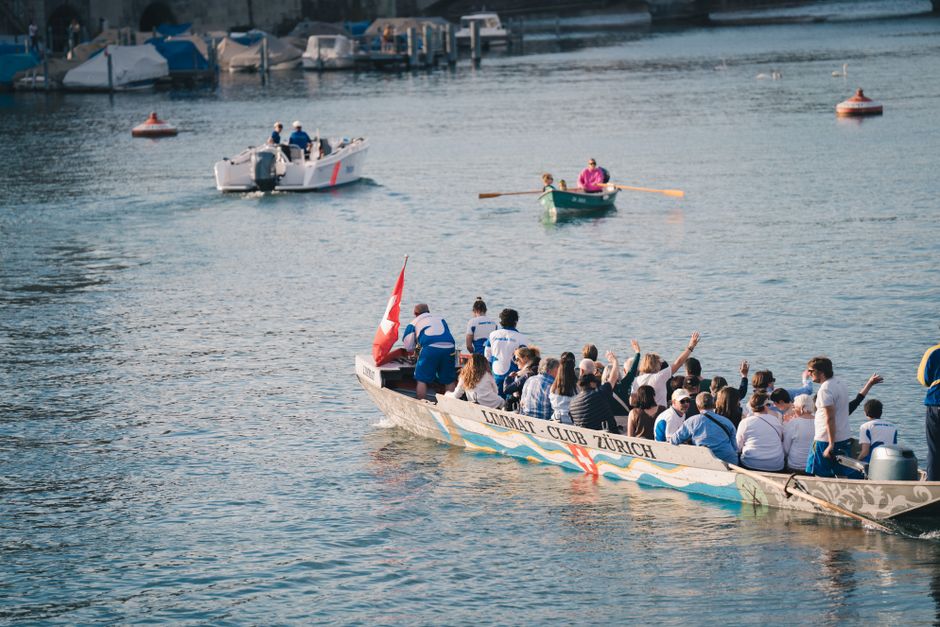
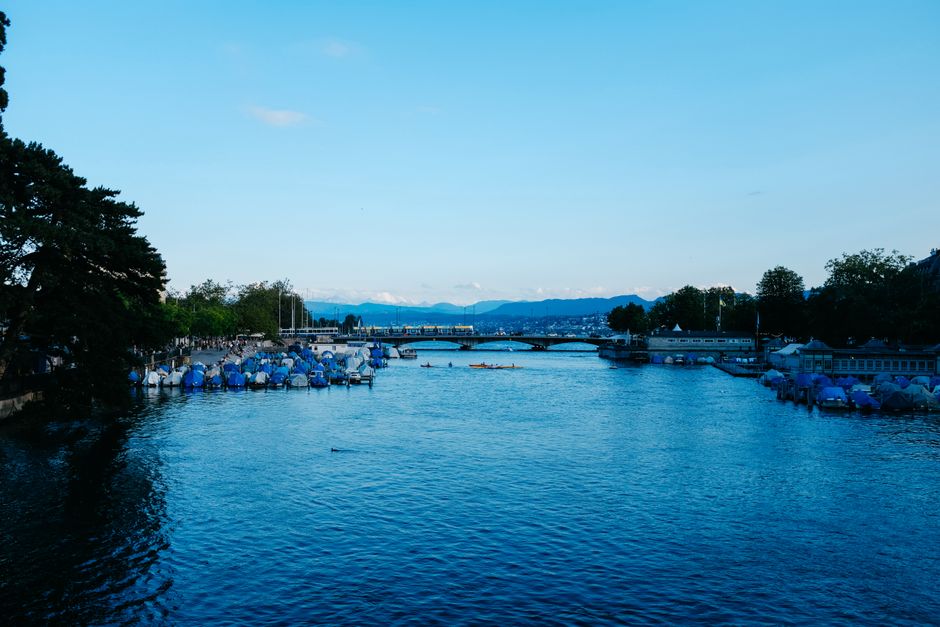
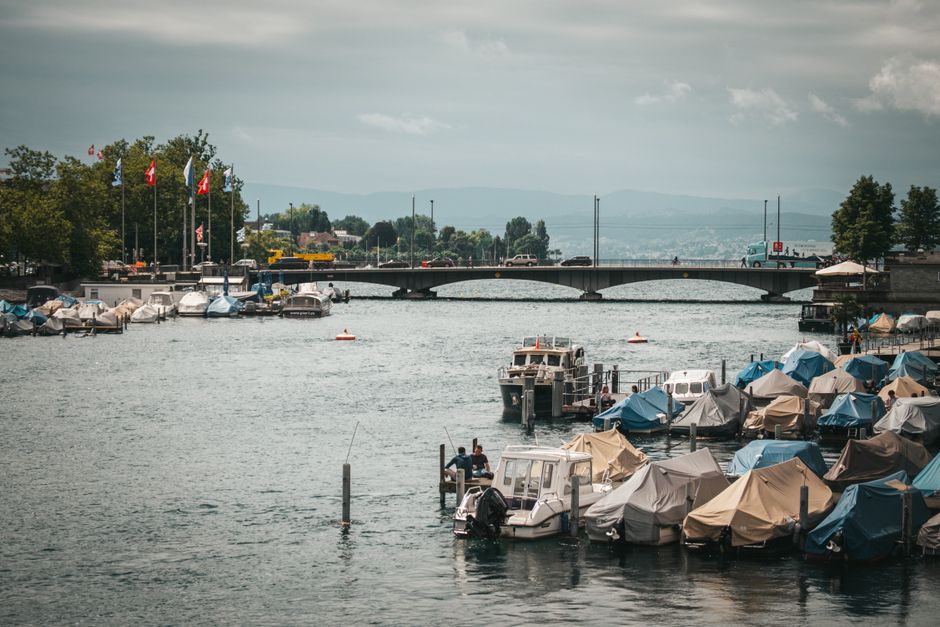
On any given Tuesday evening, the Limmat River flows past clusters of swimmers in wetsuits—not elite athletes, but nurses, accountants, and retirees from across Zurich's neighbourhoods. This is the quiet revolution reshaping the city's relationship with water sports: a grassroots movement that has grown from scattered initiatives into a networked ecosystem of community-driven clubs and activities.
The transformation began roughly five years ago when local residents noticed that traditional swimming infrastructure—expensive memberships at established clubs, rigid training schedules, language barriers for migrant communities—excluded vast swathes of the population. Today, organisations like the Zurich Open Water Swimming Association operate on volunteer energy and modest funding, opening the Limmat and Lake Zurich to hundreds of participants who might never have found their way to a conventional sports facility.
The numbers tell a compelling story. Participation in community-organised water activities across Zurich has grown by approximately 43 per cent since 2021, according to informal surveys by the Zurich Sports Foundation. More striking: nearly 60 per cent of participants in these grassroots initiatives had never regularly engaged in swimming or aquatic activities before joining. Most sessions cost between CHF 5 and 15 per person—a fraction of private club fees.
The movement has physical anchors. The Schanzengraben area near Europaplatz has become an informal hub for Saturday morning padleboard groups. The eastern shores around Enge Altstetten host regular kayaking meetups. On the Limmat itself, between Stauffacher and Zürichberg, dozens of swimmers gather during warmer months, their visibility growing season by season.
What distinguishes this phenomenon from top-down sports development is its organic nature. Volunteers coordinate through WhatsApp groups and Instagram. Equipment is shared or borrowed. Training happens in the open water, not climate-controlled pools. Cultural integration follows naturally—swimming sessions have become informal pathways for newcomers to Zurich, creating social bonds across demographic lines.
Local authorities have begun recognising the movement's value. The city's sport office has allocated modest grants to support volunteer coordinators, and the Zurich Tourism Board quietly acknowledges that these authentic community activities generate the kind of civic engagement that formal sports tourism cannot replicate.
As political and economic turbulence dominates global headlines, Zurich's water sports grassroots story offers a different narrative: one where ordinary citizens reclaim public spaces, build community through shared activity, and prove that sport's deepest value lies not in spectacle or investment, but in the simple act of showing up together.
This article was compiled by AI from the sources linked above and screened before publishing. See our editorial standards.