The numbers tell a striking story about life in Zurich in 2026. While commercial fitness centres report plateauing memberships, participation in amateur sports clubs across the city has surged by 18 percent over the past three years, according to data compiled by the Zurich Sports Association. For a city known for its precision and efficiency, this trend suggests something more nuanced is happening beneath the surface: locals are abandoning the treadmill for the pitch, the pool, and the path.
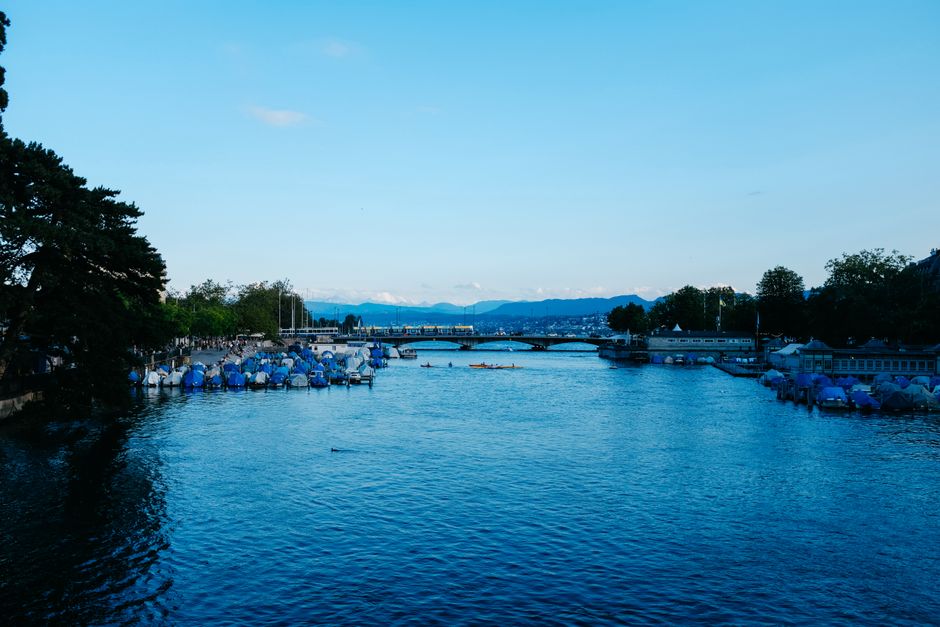
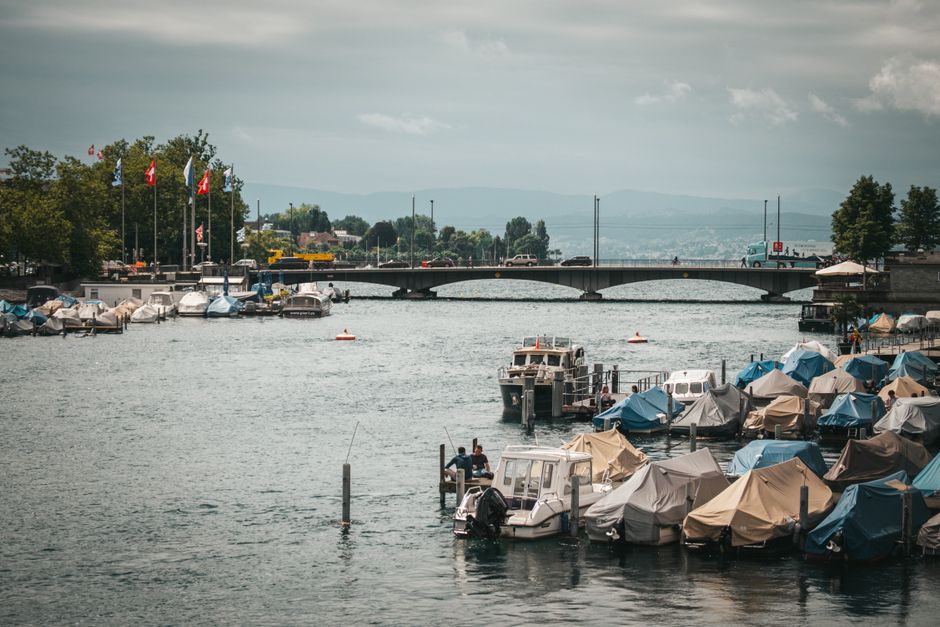
Consider the evidence. Grasshopper Club Zurich's recreational divisions now host over 2,400 amateur players across all age groups, up from 1,850 in 2023. Meanwhile, rowing clubs along the Limmat—particularly those based near Enge and Wollishofen—report waiting lists for beginner courses stretching six months. Running collectives in Wiedikon and Aussersihl have doubled their members. Even niche pursuits like ultimate frisbee leagues in the Letzigrund area have grown from single digits to dozens of active participants.
What explains this shift? Experts point to several factors. First, the affordability argument holds weight. A season with a local amateur football or volleyball club costs between 150 and 300 Swiss francs—far less than an annual gym membership at premium facilities in the city centre. Second, the social dimension cannot be overlooked. In an era marked by digital isolation, team sports offer the genuine human connection that solo training cannot match.
The data also reveals geographic patterns. Clubs in outer districts like Altstetten and Hongg have seen faster growth than those in Zurich 1 and 2, suggesting that recreational sport serves as an important community anchor in less central neighbourhoods. Swimming clubs and water polo teams, buoyed by the city's extensive public pool infrastructure, remain particularly popular.
There is, however, a caveat. While participation has grown, retention remains inconsistent. The Sports Association notes that roughly 35 percent of new amateur club members drop out within their first two seasons. This points to a secondary truth about Zurich's fitness culture: commitment and consistency remain as challenging as ever, even when barriers to entry are low.
The broader picture is clear. Zurich's recreational athletes are voting with their feet, choosing communal effort over solitary exertion, and neighbourhoods over city-centre conveniences. Whether this reflects a fundamental change in how we value fitness—or simply a pendulum swing—remains to be seen. For now, the clubs are filling up, and the Limmat's morning rowing schedules are fuller than they have been in a generation.
This article was compiled by AI from the sources linked above and screened before publishing. See our editorial standards.