Vertical Ambitions: What Zurich's Climbing Boom Reveals About Our Evolving Fitness Culture
Participation numbers at local climbing gyms and Alpine routes show how Zurich residents are reshaping their relationship with sport and risk.
Participation numbers at local climbing gyms and Alpine routes show how Zurich residents are reshaping their relationship with sport and risk.
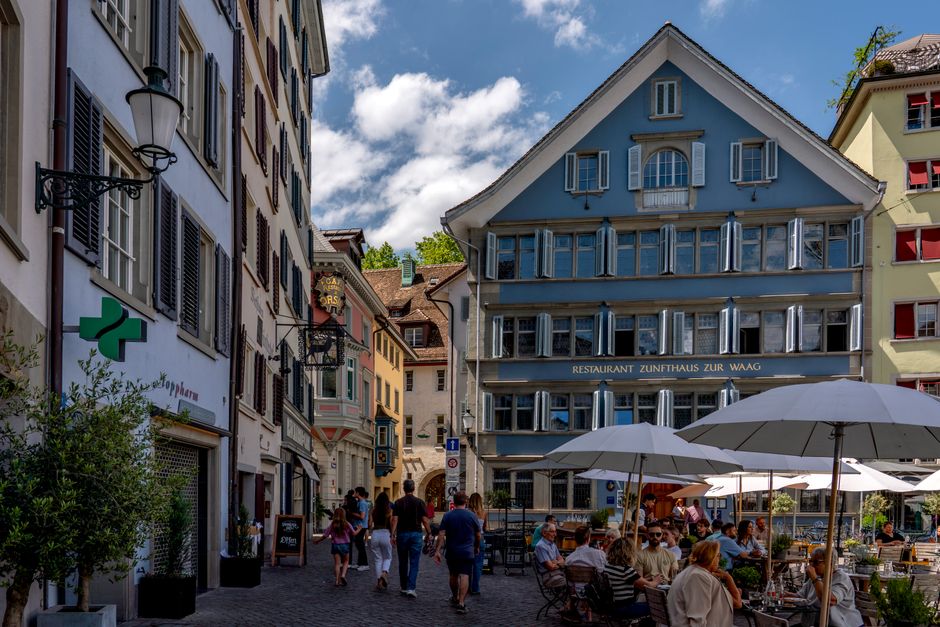
Walk past the converted warehouse on Geroldstrasse in Wiedikon on any weekday evening and you'll see queues of climbers waiting to check in. This scene has become emblematic of Zurich's fitness revolution—one that tells a fascinating story about how urban dwellers are reclaiming physical challenge in an age of convenience.
Data from the Swiss Alpine Club and local climbing facilities reveal striking trends. Membership in organised climbing clubs across the greater Zurich region has grown by 34% over the past four years, while commercial gym memberships have tripled since 2018. The Climbing Center on Hohlstrasse now operates at 85% capacity during peak hours, with waiting lists for weekend slots. Meanwhile, participation in traditional gymnasium fitness—once the cornerstone of Swiss wellness culture—has plateaued.
What explains this vertical shift? Industry observers point to several factors. Unlike the solitary treadmill experience, climbing demands community. The social dimension resonates particularly with younger professionals aged 25-40, who comprise roughly 62% of participants at major Zurich facilities. Second, the sport offers tangible progression metrics—actual height climbed, routes mastered, grades achieved—that feel more meaningful than abstract fitness numbers.
The economic footprint is substantial. A monthly gym membership in Zurich runs between 65 and 85 francs, while serious outdoor climbers invest in gear, courses, and guided expeditions. The Federation of Swiss Climbing Guides reports that Alpine routes accessible from Zurich—particularly around the Säntis and Appenzell Alps—see 40% more traffic than five years ago. Weekend expeditions to accessible crags near Töss Valley have become almost ritualistic for the city's climbing cohort.
Yet participation data reveals intriguing fault lines. While climbing participation has surged among educated, higher-income residents in areas like Enge and Wiedikon, uptake in outer districts remains modest. This mirrors broader patterns in European cities where adventure sports function as cultural markers of a specific demographic.
There's also a notable gender shift. Women now represent 38% of climbing gym participants in Zurich, up from 18% a decade ago—a dramatic departure from mountaineering's historically male-dominated image.
Perhaps most tellingly, the rise reflects something deeper: Zurich's shift from viewing fitness as maintenance toward seeing it as adventure. In a city often characterised by order and control, vertical climbing—with its inherent unpredictability and genuine risk—offers something increasingly valuable. It's not just about getting fit. It's about feeling genuinely alive.
This article was compiled by AI from the sources linked above and screened before publishing. See our editorial standards.
How does this story make you feel?
Spread the word
About this article
Published by The Daily Zurich
Daily brief
Free, in your inbox before 7am. Weekdays.
More in Sport