From Church Basements to City Streets: How Zurich's Grassroots Fitness Movement Built a Health Revolution
Behind the sleek gym chains, ordinary residents are reshaping how thousands train—and why community matters more than membership fees.
Behind the sleek gym chains, ordinary residents are reshaping how thousands train—and why community matters more than membership fees.
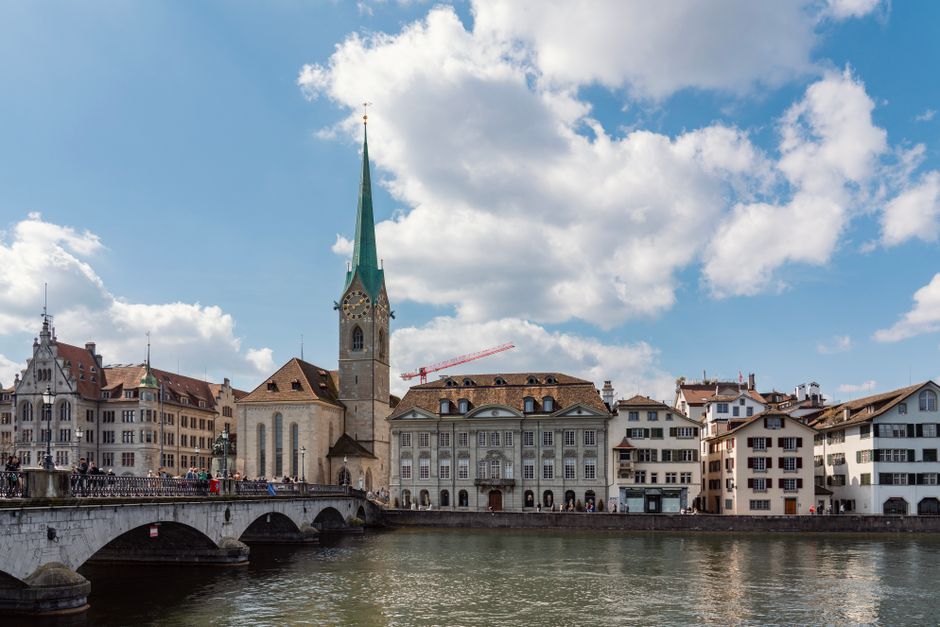
On Tuesday evenings, the car park behind the Kirche St. Jakob in Wiedikon transforms into an unlikely training ground. What began three years ago as a handful of neighbours doing calisthenics has evolved into a 40-strong movement, with participants ranging from university students to retirees in their seventies. No membership required. No equipment beyond a pull-up bar and determination.
This is the quiet story behind Zurich's fitness revolution—not the glossy personal training studios that line Bahnhofstrasse, but the grassroots networks reshaping how the city stays active.
"The commercial gym sector grew 8 percent annually through the 2010s," says Marco Keller, sports policy coordinator at the City of Zurich's Department of Sports. "But what we're seeing now is people rejecting that model entirely. They want community, accountability, and affordability."
The numbers support this shift. According to a 2024 survey by the Swiss Fitness Association, participation in structured community fitness groups—everything from neighbourhood running clubs to open-air bootcamps—increased 34 percent across Switzerland's urban centres in five years. Zurich leads the trend, with over 80 registered grassroots collectives operating across districts like Altstetten, Aussersihl, and Hongg.
What unites these movements isn't Instagram aesthetics or peak performance metrics. It's accessibility. A monthly donation-based yoga session in the Quartierhaus Aussersihl costs what a single premium studio class charges. The Züri-Runners, an informal collective organizing weekly jogs through the Uetliberg trails, asks only for commitment and company.
"People were isolated," explains one organizer of the Wiedikon group, speaking on condition of anonymity. "Post-pandemic, fitness became about reconnection, not aesthetics. We built something that costs almost nothing but means everything."
The movement has caught municipal attention. This year, the City launched an expanded "Sport im Quartier" initiative, allocating 2.3 million francs to support community-led fitness programs. Public spaces like Platzspitz Park and the Schanzengraben embankments are increasingly booked by volunteer organizers offering everything from tai chi to strength training circles.
Even as Zurich's premium fitness sector remains robust—premium gym memberships still average 120 francs monthly—the grassroots alternative has proven it addresses something money alone cannot buy: genuine human connection wrapped in the simple act of moving together.
The revolution isn't being televised. It's happening in church basements, public parks, and the quiet determination of ordinary Zurichers choosing community over convenience.
This article was compiled by AI from the sources linked above and screened before publishing. See our editorial standards.
How does this story make you feel?
Spread the word
About this article
Published by The Daily Zurich
Daily brief
Free, in your inbox before 7am. Weekdays.
More in Sport