Zurich's sporting infrastructure: how world-class venues keep the city competitive
From the Letzigrund to emerging facilities across the city's neighbourhoods, Zurich's commitment to modern sports infrastructure positions it as a continental hub.
From the Letzigrund to emerging facilities across the city's neighbourhoods, Zurich's commitment to modern sports infrastructure positions it as a continental hub.
Zurich's reputation as a global sporting destination rests on far more than its football clubs and prestigious athletics meetings. Behind the scenes, a sophisticated network of purpose-built venues and upgraded facilities underpins the city's ability to host major events and develop athletes across multiple disciplines.
The Letzigrund stadium in the Aussersihl district remains the city's flagship venue, with a capacity of 22,000 and hosting FC Zurich's home matches alongside international competitions. Yet the infrastructure story extends well beyond this iconic ground. The Hallenstadion in Oerlikon, with its 9,200 seats, has undergone significant modernisation since 2019, now serving ice hockey, basketball, and gymnastics with enhanced hospitality facilities and improved accessibility standards meeting current European requirements.
Lesser-known but equally vital are the neighbourhood sports complexes scattered across the city's districts. The Sportanlage Wollishofen on the Zurichberg's southern slopes provides eight football pitches and training grounds that serve youth clubs and academy programmes. Meanwhile, the recently renovated Sportanlage Altsetten in the western districts now features synthetic pitches meeting FIFA standards, crucial for year-round development programmes in a city where winter conditions traditionally disrupted training schedules.
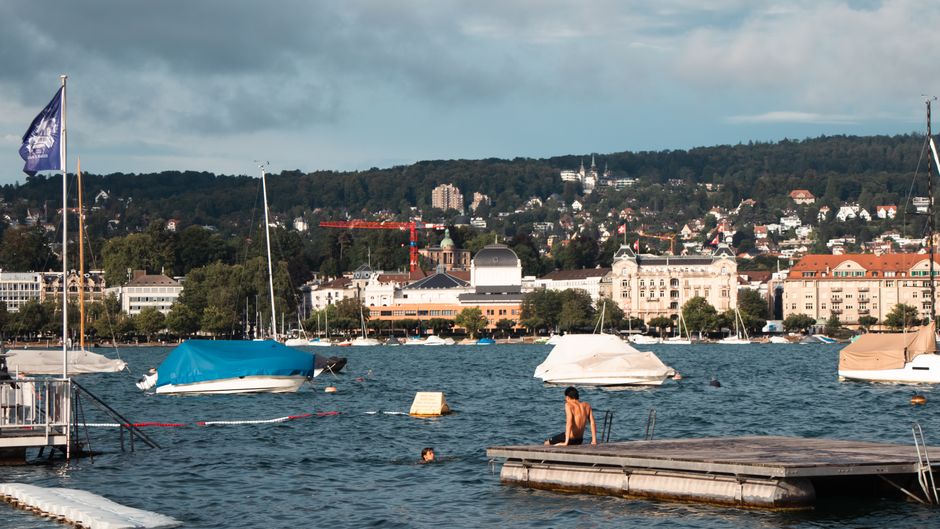
Investment in aquatic facilities has also expanded. The Hallenbad Oerlikon and Hallenbad Wollishofen have been upgraded to accommodate swimming competitions and diving training, while the Freibad Mythenquai remains a summer institution for water sports and open-water swimming conditions. These aren't merely recreational amenities—they form essential infrastructure for Switzerland's national swimming federation's regional development programmes.
The Zurich Marathon course, launched in 2014 and now attracting over 15,000 runners annually, relies on carefully maintained routes through the city's central districts and lakeside promenades, supported by medical stations and logistics facilities that have become increasingly sophisticated. Supporting this are dozens of smaller training facilities across Zurich's neighbourhoods, from the climbing walls at the Sportanlage Hongg to the cycling velodrome facilities at the Sportanlage Zurichberg.
City authorities have recognized that hosting major events—Zurich successfully bid to co-host Euro 2028 football matches—demands ongoing capital investment. Recent budgets have allocated substantial funds toward accessibility upgrades, crowd management infrastructure, and environmental sustainability measures at existing venues. The shift toward modernising older facilities rather than building entirely new stadiums reflects both fiscal prudence and recognition that distributed, neighbourhood-level infrastructure proves equally vital to elite competition venues.
For athletes and residents alike, this layered approach—combining flagship stadiums with accessible neighbourhood facilities—creates a comprehensive ecosystem supporting competitive sport and recreational participation across all age groups and disciplines.
This article was compiled by AI from the sources linked above and screened before publishing. See our editorial standards.
How does this story make you feel?
Spread the word
About this article
Published by The Daily Zurich
Daily brief
Free, in your inbox before 7am. Weekdays.
More in Sport