From Garage Workouts to City Movement: How Zurich's Grassroots Fitness Revolution Built a Community
Small collectives across the city are reshaping how locals think about training—one neighbourhood at a time.
Small collectives across the city are reshaping how locals think about training—one neighbourhood at a time.
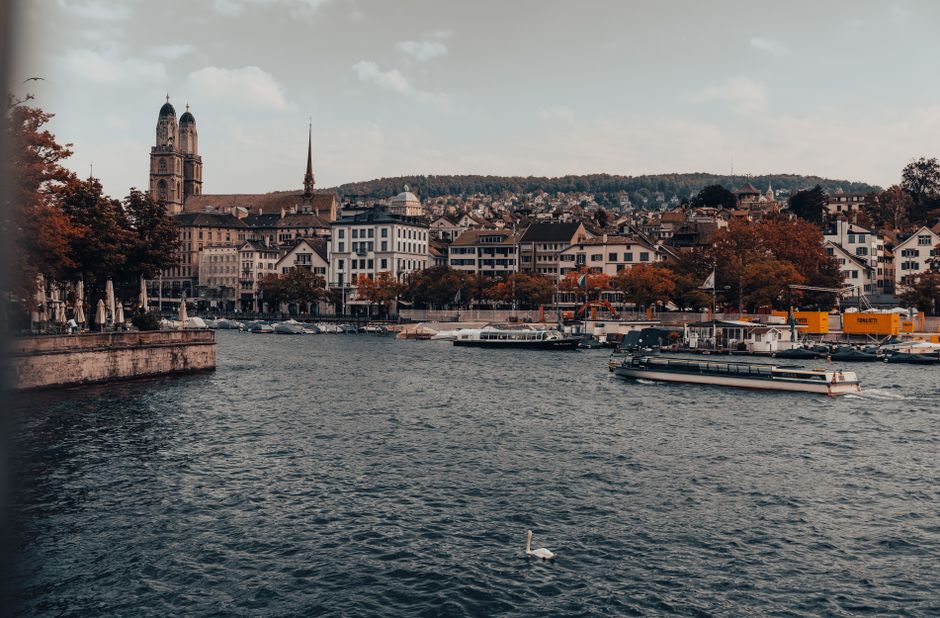
On any given Tuesday evening, a cluster of residents gathers beneath the railway arches in Wiedikon, their breath forming clouds in the cooling air. They're not members of an exclusive gym chain. Instead, they're part of an informal fitness collective that started three years ago with nothing more than a few dumbbells, a shared WhatsApp group, and a genuine desire to move together.
This scene has become emblematic of a broader shift unfolding across Zurich's neighbourhoods. While premium fitness studios continue to proliferate around Europaplatz and Bahnhofstrasse—where monthly memberships routinely exceed CHF 150—a countercultural movement has quietly taken root. Community-led training initiatives, often free or donation-based, are attracting hundreds of residents who've grown weary of polished corporate environments and eye-watering fees.
"The democratisation of fitness has been overdue," says one founder of a Aussersihl-based running collective that now hosts weekly sessions with over 60 participants. "When your options are either an expensive studio or sitting at home, you're excluding most of the city."
The numbers tell an interesting story. Recent surveys suggest that nearly 40% of Zurich residents consider themselves "active," yet gym membership penetration remains concentrated among higher-income brackets. Community initiatives have begun bridging this gap. The city's neighbourhood sports associations, traditionally focused on football and volleyball, now oversee nearly 200 informal fitness groups—a 65% increase since 2023.
In Altstetten, a converted warehouse space has become home to cross-training sessions that charge whatever participants can afford. In Hongg, residents have organised outdoor bootcamps utilising existing green spaces along the Dolder Grand's perimeter. Even Kreis 5's industrial quarter has seen an explosion of parkour and movement communities claiming unused corners as informal training grounds.
What drives this phenomenon extends beyond economics. Participants frequently cite community and accountability as primary motivators—factors that glossy memberships at Baur fitness centres simply cannot replicate. These grassroots movements have become social anchors, particularly for younger residents and immigrants seeking connection.
Local government has taken notice. The city's sports office recently announced CHF 2.3 million in funding to support community sport initiatives over the next three years, recognising their role in promoting public health and social cohesion.
As Zurich's fitness landscape continues fragmenting, this grassroots movement represents something increasingly rare: a form of collective wellbeing that resists commodification, thrives on reciprocity, and reminds us that the most transformative training often happens not in designer studios, but in the authentic spaces where communities gather to move together.
This article was compiled by AI from the sources linked above and screened before publishing. See our editorial standards.
How does this story make you feel?
Spread the word
About this article
Published by The Daily Zurich
Daily brief
Free, in your inbox before 7am. Weekdays.
More in Sport