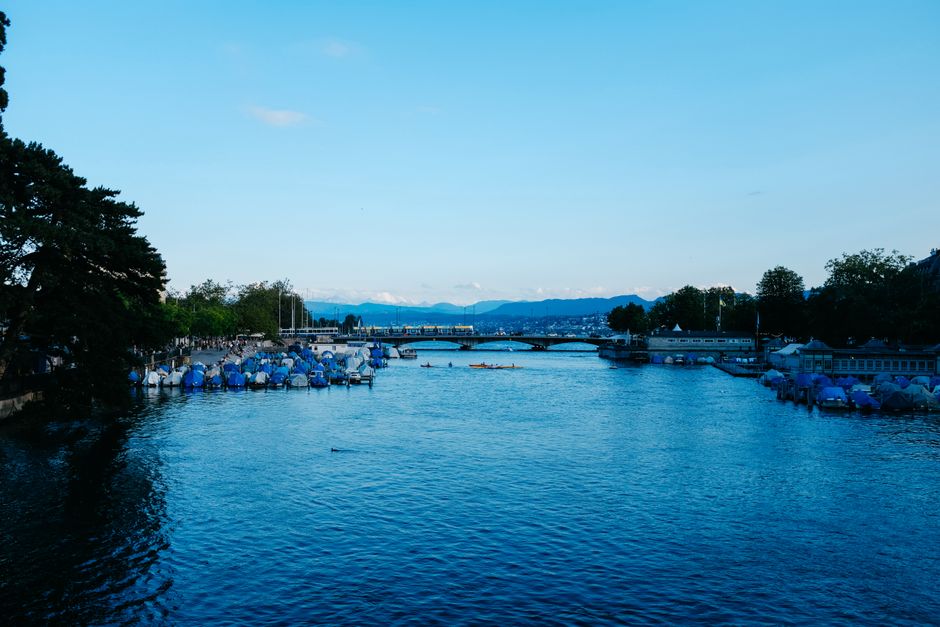
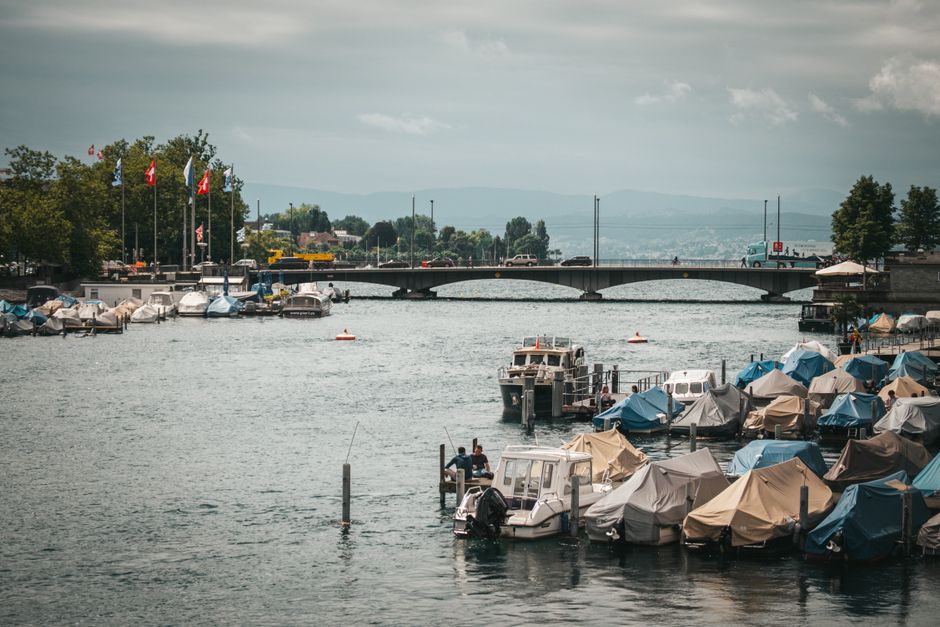
The Zurich Swim Club's Olympic-sized facility on Mythenquai is bracing for its busiest stretch of the calendar. Beginning July 4th, the venue transforms into Switzerland's aquatic battleground as regional finalists from across the country converge for the National Summer Championships—a three-week spectacle that will determine Olympic trial eligibility and secure domestic sponsorship pathways worth an estimated 2.3 million francs across federation-backed athletes.
This year's competition carries particular weight. With Paris 2024 still fresh and Tokyo's legacy fading, Swiss swimming faces a generational inflection point. Preliminary data from the Swiss Swimming Federation indicates that participation in regional qualifying rounds jumped 18 per cent compared to last summer, suggesting deeper competitive depth—though whether that translates to medal-worthy performances remains uncertain.
The championships span three distinct phases: individual time trials (July 4-7), relay heats and semi-finals (July 8-12), and the headline-grabbing finals (July 13-19). The Mythenquai venue's 50-metre main pool will operate at maximum capacity, with spectator passes priced between 15 and 45 francs depending on session. Local hotel chains around the Zurich West district and near the Limmat riverfront report booking surges of 34 per cent for the finals week alone.
Beyond the championship proper, the broader aquatic season reflects Zurich's evolving relationship with water sports. The city's three major open-air bathing areas—Barfüsserplatz, Mythenquai, and the newly renovated Altstetten lido—recorded 847,000 combined visits last summer, a 12 per cent increase. Yet competitive swimming's grassroots pipeline shows mixed signals. Youth club memberships at the Zurich Swimming Association remain stable year-on-year, but average session attendance at peripheral training sites has softened.
Water polo and diving will run concurrent exhibition tournaments, while the Limmat itself hosts a professional open-water swimming circuit—a 3-kilometre course that attracts growing international interest. The Canton's investment in aquatic infrastructure, announced in March, pledges 8.7 million francs toward facility upgrades by 2028, acknowledging both the sport's profile and current capacity constraints.
For casual observers, the July finals offer accessible drama: elite athleticism at eye level, with the added romance of watching world-class swimmers navigate the same waters that define Zurich's civic character. For serious competitors and their support networks, however, the next three weeks amount to career-defining stakes. The city's aquatic season peaks now.
This article was compiled by AI from the sources linked above and screened before publishing. See our editorial standards.