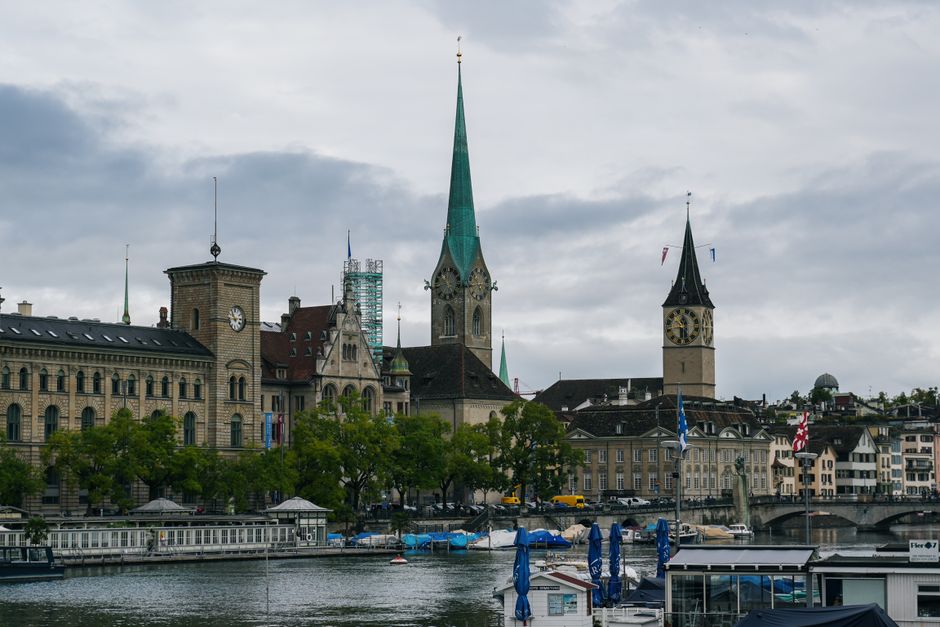
The Zurich Rowing Club's decision to expand its summer training programme has quietly triggered one of the most significant shifts in the city's fitness culture in years. Based at their historic Bellerivestrasse facility overlooking the Zürichsee, the club has welcomed 340 new members in the past eight weeks—a 47 percent increase compared to the same period last year—while their complementary gym partnerships across Wiedikon and Aussersihl have reported unprecedented demand for cross-training memberships.
What's driving this momentum isn't simply rowing's romantic appeal. The club's newly appointed head of athletic development has pioneered an integrated training model that combines on-water work with targeted strength conditioning, flexibility protocols, and recovery optimisation. Rather than siloing athletes into single disciplines, the approach mirrors professional sports science methodology increasingly common in elite cycling and football programmes—but rarely seen coordinating traditional Swiss rowing culture with contemporary urban gym infrastructure.
"We've essentially created a club within the city," explains the club's communications director. "Athletes train on the lake three mornings weekly, then move into partnered facilities in Wiedikon for afternoon conditioning sessions. The transparency of progression metrics has resonated particularly with younger professionals in the financial and tech sectors who work nearby."
The economics are telling. Annual membership to the rowing club now costs 2,400 CHF, with additional gym partnerships requiring a further 1,200 CHF commitment. Yet waitlists extend through September. Competing fitness facilities around Europaplatz and along Badenerstrasse report they're losing members to the club's coordinated ecosystem—a notable shift in a city where personal training studios typically operate in isolation.
The phenomenon extends beyond mere membership numbers. Social media engagement from participants has positioned the club as a lifestyle hub rather than a niche sporting institution. Training diaries, nutrition tips, and recovery strategies shared by members across platforms have normalised the language of athletic training among Zurich's health-conscious demographic in ways traditional sports clubs rarely achieve.
Local physiotherapy practices report increased referrals from club members seeking specialist support, while nutritionists in the Wiedikon area describe a measurable uptick in athlete consultations. The St. Josef Hospital's sports medicine department noted similar trends during routine consultations this spring.
As summer training intensifies, the club's model presents an interesting case study: how traditional Swiss sporting institutions can leverage modern fitness infrastructure and athlete-centred data to remain culturally relevant. Whether this momentum sustains through autumn will determine whether Zurich's fitness landscape has genuinely shifted, or whether this represents merely a seasonal phenomenon.
This article was compiled by AI from the sources linked above and screened before publishing. See our editorial standards.