Zurich's Youth Sport Surge: What Rising Grassroots Numbers Reveal About Our Fitness Culture
New participation data shows a quiet revolution in how young Zurichers are staying active—and it's reshaping how clubs operate across the city.
New participation data shows a quiet revolution in how young Zurichers are staying active—and it's reshaping how clubs operate across the city.
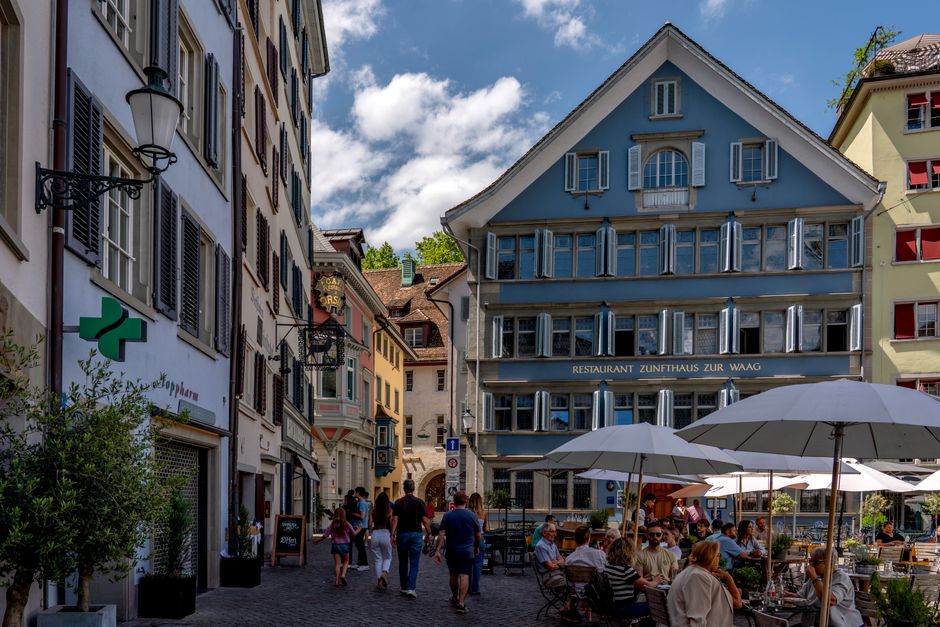
In the leafy neighbourhoods between Wiedikon and Altstetten, something unexpected is happening. Youth sport participation across Zurich's grassroots clubs has grown by 18 percent over the past three years, according to data compiled by Zurich Sport, the cantonal governing body. For a city already renowned for its wellness obsession and cycling culture, the numbers suggest we're witnessing a fundamental shift in how families prioritise physical activity.
The data tells a nuanced story. Traditional football clubs remain dominant, but it's the smaller, specialised programmes that are experiencing explosive growth. Badminton and table tennis clubs have seen 34 percent increases in youth membership, while climbing gyms across districts like Aussersihl and Industriequartier report waiting lists. Meanwhile, competitive swimming—long a Zurich staple—has plateaued, suggesting families are diversifying their sporting interests rather than deepening commitment to single disciplines.
What's driving this shift? Cost matters. Monthly grassroots fees average between 40 and 80 Swiss francs, significantly cheaper than private fitness centres charging 150 francs and upward. For families in more modest neighbourhoods around Oerlikon and Seebach, club sport represents genuine accessibility. Yet the data also reveals a participation gap: youth from higher-income postcodes near the Seelfeld maintain higher retention rates through adolescence, suggesting that socioeconomic factors still influence whether kids stick with sport long-term.
The clubs themselves are adapting rapidly. Facilities like those managed by the Sportamt along the Sihl's riverside parks now operate flexible scheduling to accommodate parents' work patterns. Some have extended evening hours; others offer drop-in sessions alongside traditional league play. Digital membership platforms have lowered administrative barriers, making sign-ups instantaneous rather than requiring weekend visits to dusty clubhouses.
But perhaps the most telling statistic concerns participation diversity by gender. Girls now comprise 42 percent of youth grassroots memberships citywide, up from 34 percent a decade ago. Clubs report particular strength in martial arts, volleyball, and trail running—disciplines historically coded as gender-neutral or explicitly inclusive.
These numbers matter beyond spreadsheets. They suggest Zurichers increasingly view youth sport not as elite training ground but as community infrastructure—affordable, accessible, and adaptable. In a city where gym membership and marathon participation already run high, grassroots data reveals something perhaps more important: a genuine commitment to embedding physical activity into childhood itself, across neighbourhoods and income brackets. That's the real story the numbers are telling.
This article was compiled by AI from the sources linked above and screened before publishing. See our editorial standards.
How does this story make you feel?
Spread the word
About this article
Published by The Daily Zurich
Daily brief
Free, in your inbox before 7am. Weekdays.
More in Sport