Zurich's commitment to aquatic excellence extends far beyond recreational paddling. The city's strategic network of facilities—spanning indoor pools, open-water venues, and specialized training centres—reflects a deliberate infrastructure investment that has transformed local water sports culture over the past decade.
The Hallenbad Oerlikon, located in the northern Oerlikon district, remains the city's flagship aquatic complex. With Olympic-standard 50-metre pools and a diving facility featuring platforms up to 10 metres, it serves as home to competitive swimmers and divers from across the region. Annual membership for adult swimmers costs approximately 650 francs, while single visits run to 7.50 francs—pricing that balances accessibility with facility maintenance standards.
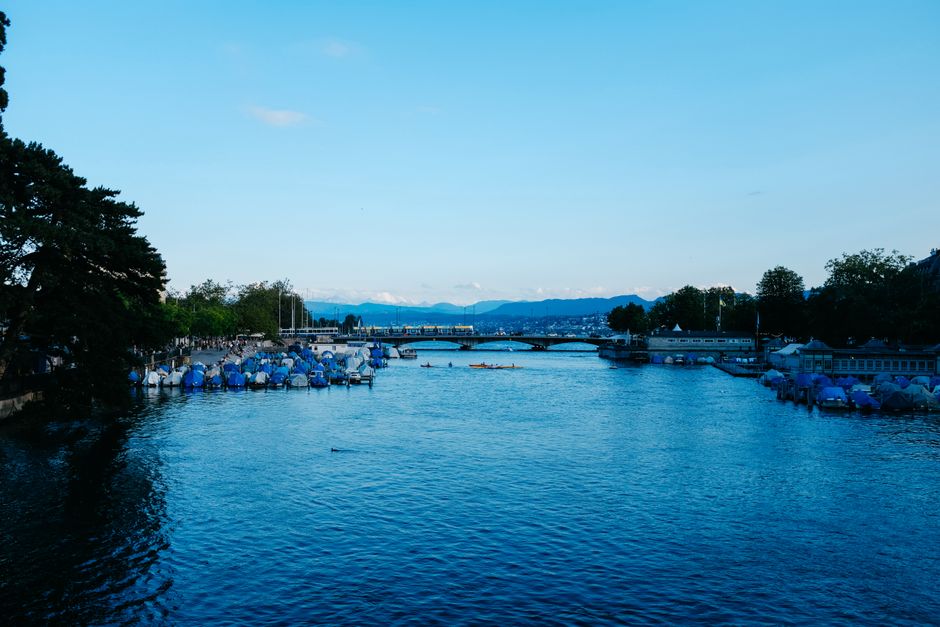
Beyond traditional pools, Zurich's lakes have become critical training infrastructure. The Zürichsee, stretching 42 kilometres, hosts open-water swimmers and triathletes year-round. The Strandbad Mythenquai on the lake's western shore functions as both public beach and training facility, managing thousands of summer visitors while maintaining designated swimming lanes. Similarly, the Limmat River continues to accommodate competitive swimmers through designated sections, particularly around the Kornhausbrücke area.
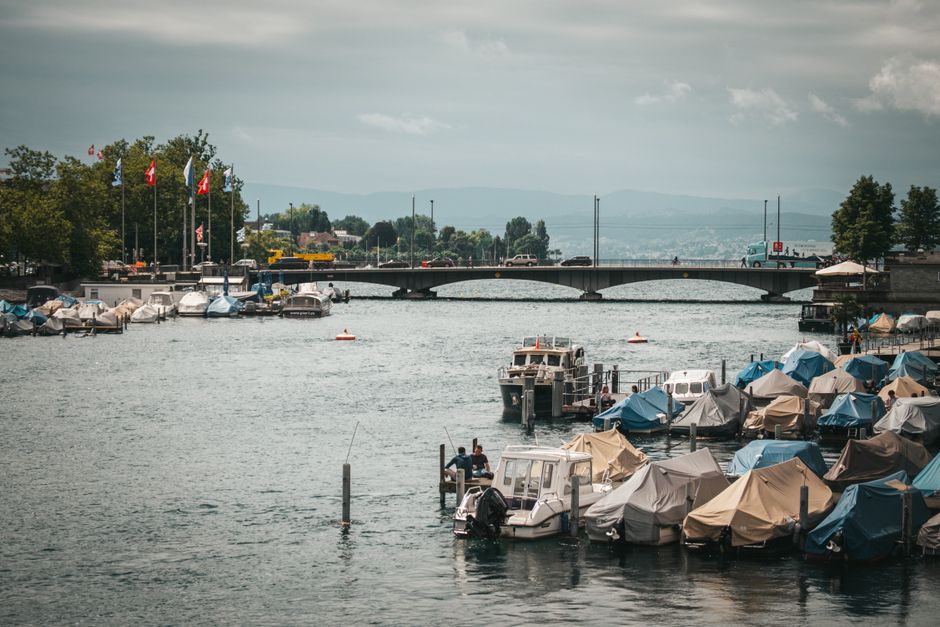
The city's canoe and kayak scene benefits from specialized facilities like the training grounds at Wehranlage Kraftwerk Laufenburg, accessible within an hour's drive. However, local authorities have invested in closer-proximity infrastructure, with several rowing clubs maintaining boat houses along the Limmat between Zürich and Uster.
Investment patterns reveal telling priorities. The Zurich Sports Department allocated 3.2 million francs in 2024 specifically for aquatic facility upgrades, with particular focus on energy efficiency and accessibility improvements. The recent renovation of Hallenbad Enge in the central Enge district introduced updated changing facilities and improved temperature controls across its three pools.
Swiss Aquatics, the national governing body, recognizes Zurich's infrastructure advantages. The city currently hosts three national training centres and attracts athletes from across Switzerland seeking world-class facilities. Coach availability remains competitive, with certified instructors commanding 60–90 francs per hour for private lessons.
Looking forward, Zurich faces the dual challenge of maintaining existing facilities while adapting to climate change impacts on open-water venues. Discussions around the Seebad Katzensee expansion suggest the city continues viewing aquatic infrastructure as essential to its sporting identity and public health objectives.
For both competitive athletes and recreational swimmers, Zurich's aquatic landscape demonstrates how thoughtful infrastructure investment creates conditions for sporting excellence and community participation alike.
This article was compiled by AI from the sources linked above and screened before publishing. See our editorial standards.