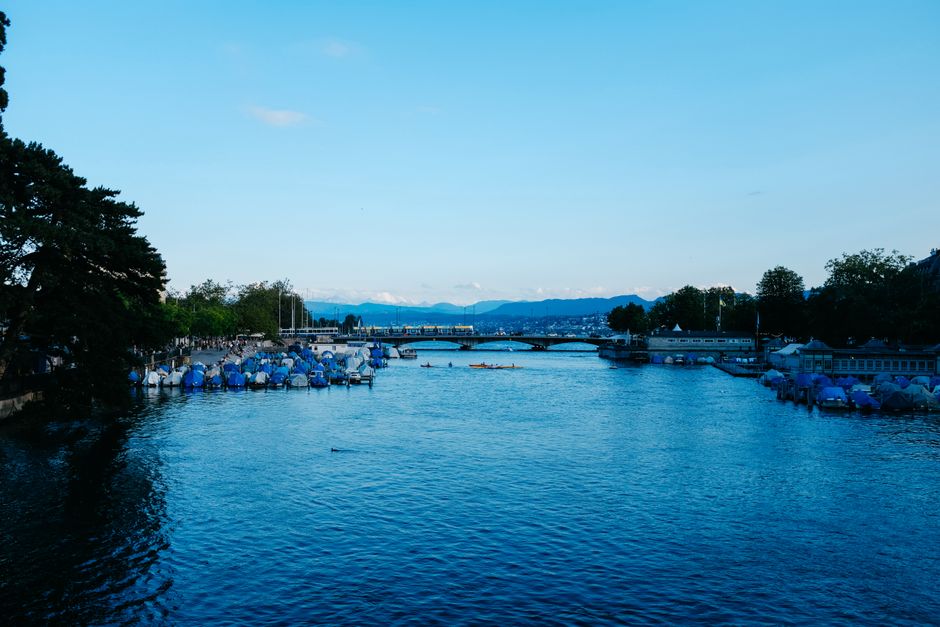
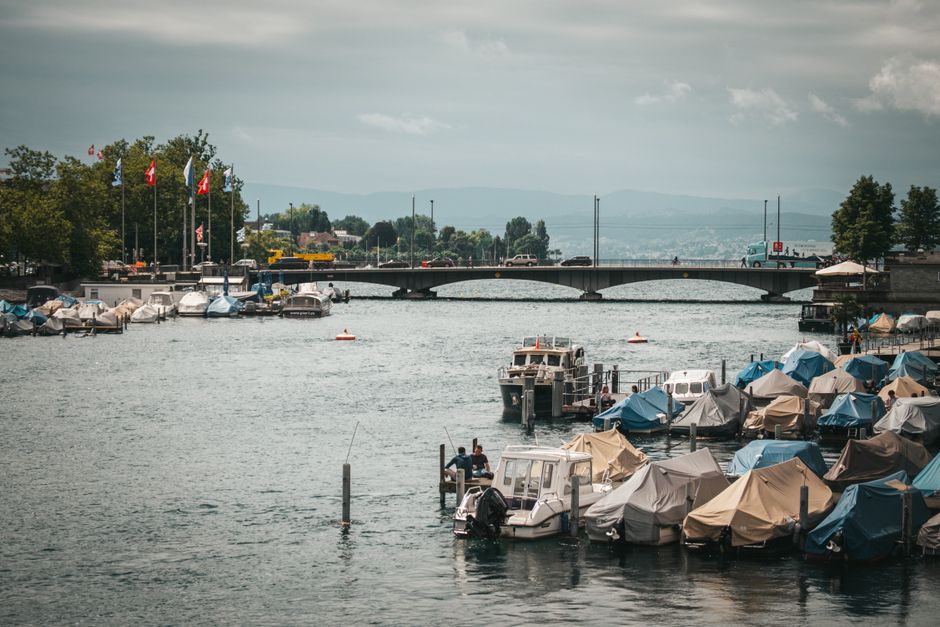
Zurich's aquatic infrastructure represents one of Europe's most comprehensive networks of swimming and water sports facilities, attracting elite athletes and recreational enthusiasts alike. The city's commitment to accessible, world-class venues has positioned it as Switzerland's premier destination for competitive and leisure swimming.
The Hallenbad Oerlikon, located in the industrial district northeast of the city centre, stands as Zurich's flagship indoor facility. With its 50-metre Olympic pool, diving platforms, and separate training basins, the venue hosts Swiss national training camps and international competitions. The facility draws approximately 800,000 visitors annually, according to Zurich's sports administration data, serving swimmers from regional clubs and the national federation equally.
Complementing the indoor infrastructure, the city's natural water assets prove equally vital. Lake Zurich itself functions as an extended training ground, with designated swimming zones in Tiefenbrunnen and the beaches near Mythenquai providing year-round venues for open-water training. The city has invested significantly in water quality monitoring and safety protocols, making the lake's swimming areas among Europe's safest urban aquatic environments.
The Schwimmzentrum Leimbach, situated in the Leimbach neighbourhood near the city's southern boundary, offers multiple pools catering to competitive swimmers and family users. Its 33-metre pool and shallow training basin serve approximately 15,000 registered members from local clubs, demonstrating demand for accessible neighbourhood facilities beyond the city centre.
Private sports clubs enhance this public infrastructure. The Zurich Swimming Club, operating since 1886, maintains partnerships with cantonal coaching programmes, while smaller organisations like the Limmat Triathlon Club leverage both urban pools and the river's defined zones for training.
Annual memberships at municipal facilities range from CHF 400–600 for competitive swimmers, while recreational passes cost around CHF 200 annually. Drop-in rates average CHF 8–12 per session, maintaining accessibility across socioeconomic groups.
Investment continues advancing. The city council has allocated resources to upgrade changing facilities at three municipal pools through 2028, addressing capacity constraints during peak training hours. Additionally, plans for an expanded aquatic centre in the Wiedikon district aim to bring Olympic-standard facilities closer to the city's western population centres.
This infrastructure expansion reflects Zurich's strategic positioning in competitive aquatics. With multiple venues serving different skill levels and demographics, the city maintains Switzerland's highest concentration of qualified swimmers—a direct consequence of accessible, well-maintained facilities distributed across neighbourhoods rather than concentrated at single flagship locations.
This article was compiled by AI from the sources linked above and screened before publishing. See our editorial standards.